





Introduction: Palais Lascaris, a Baroque Gem in the Heart of Old Nice
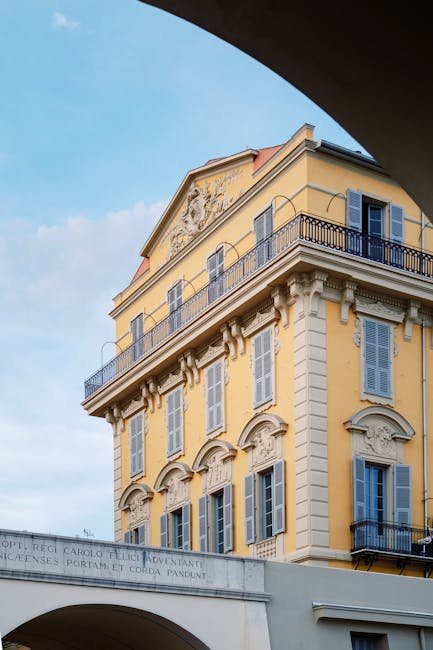
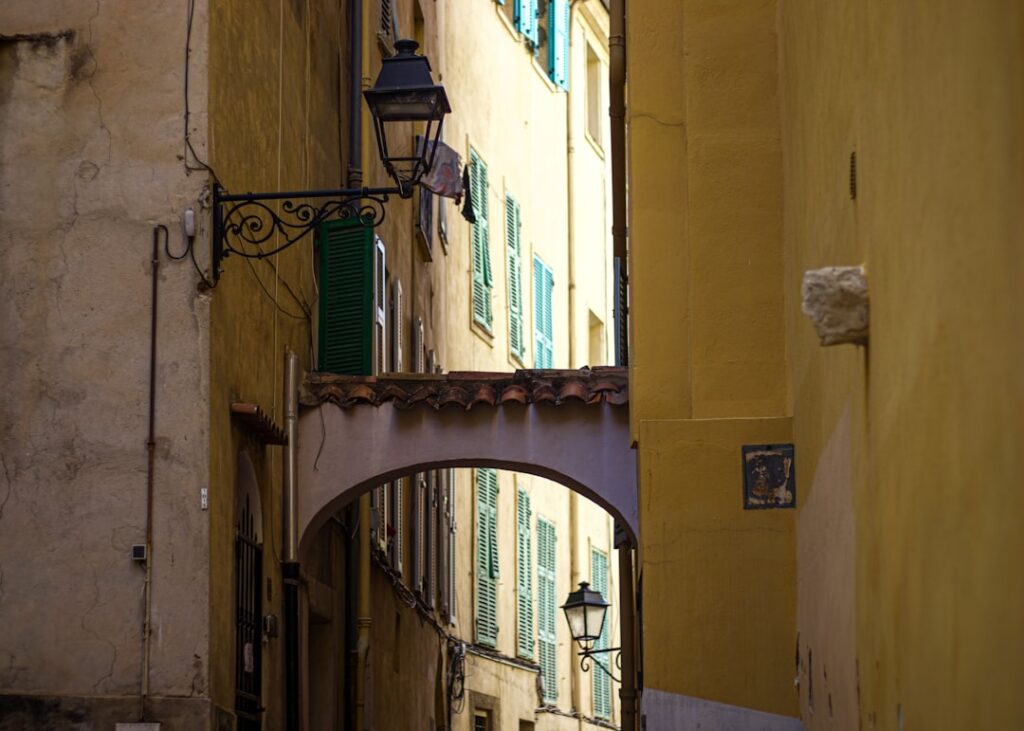
Perched in the colorful maze of Old Nice, the Palais Lascaris stands out as one of the city’s most precious treasures. This 17th-century aristocratic palace, now a municipal museum, plunges visitors into the world of Nice’s Baroque aesthetic and the realm of antique musical instruments. Here you don’t just look at objects: you step into a historic home, walk through richly decorated rooms, and see unique collections displayed in their original setting. The Palais Lascaris is located at Palais Lascaris, 15 Rue Droite, 06300 Nice — right in the medieval fabric of the neighborhood, just a few steps from the famous Place Rossetti and the Cathédrale Sainte-Réparate.
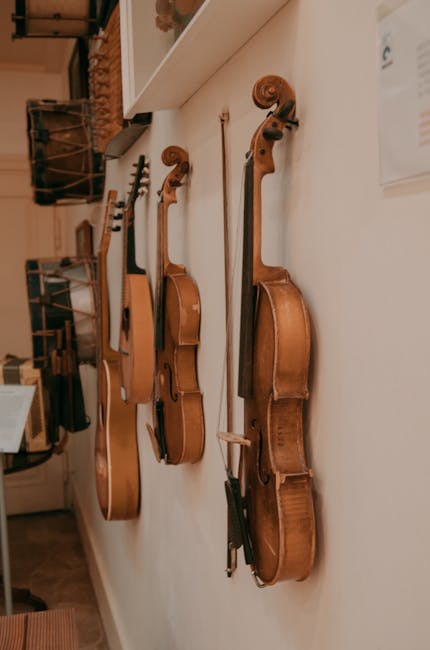
A visit to the Palais Lascaris is as much a history lesson as it is a sensory experience: wood paneling, frescoes, painted ceilings and carved woodwork sit alongside a collection of early instruments (violins, lutes, harpsichords, viols, clarinets, oboes) that showcase the evolution of instrument-making in Europe. The interior decor, carefully restored, recreates the atmosphere of a 17th-century town mansion that belonged to the Lascaris-Vintimille family, a local noble line. You can sense the intent to display the former owners’ wealth and social status, while also appreciating the central role music played in court and aristocratic salons.
This comprehensive guide offers a detailed visit: the palace’s history and architecture, an in-depth description of the collections — especially the Baroque instruments and objects — practical information (opening hours, prices, access, guided tours), tips to make the most of your visit, and suggested itineraries around Old Nice. Whether you’re a music lover, architecture buff, photographer or curious traveler, the Palais Lascaris promises a memorable experience. We’ll also share local tips (best times to avoid crowds, accessibility information, combined tickets with other Nice municipal museums), plus suggestions for continuing your exploration nearby, such as the Cathédrale Sainte-Réparate, the Place du Palais de Justice, and the bustling flower market lanes.
Before diving into the details, note that the Palais Lascaris is part of the City of Nice museums and follows municipal pricing: the visit is worth it both for the quality of the collections and for the immersive experience inside a rare historic setting. To prepare for your visit, grab a map of Old Nice, wear comfortable shoes for climbing the stone stairs, and if you’re passionate about early music, check for occasional concerts and cultural events hosted at the palace.
History and Architecture: From Baroque Townhouse to Musical Museum
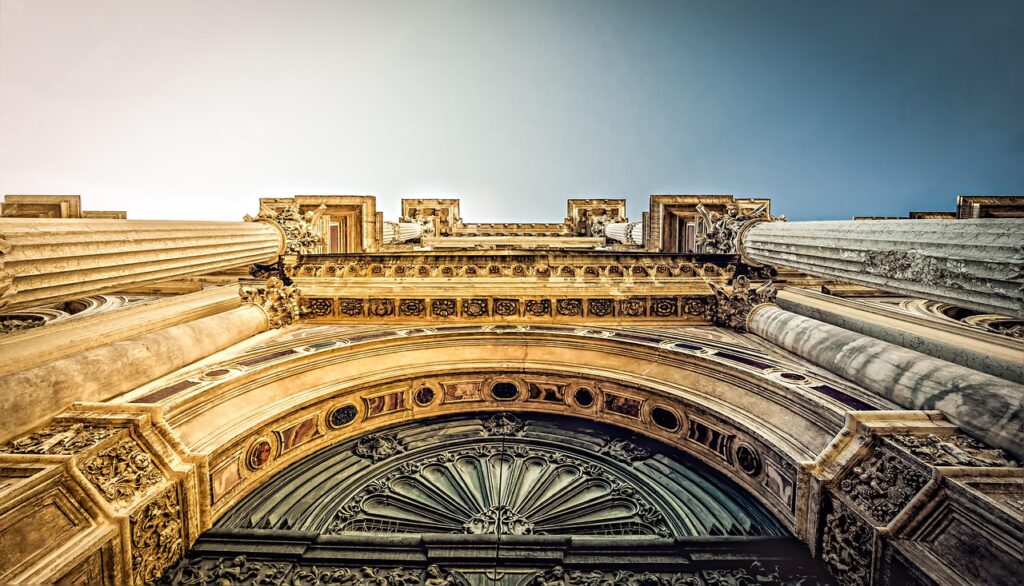
The history of Palais Lascaris begins in the 16th century, but it was in the 17th century that it took on the appearance of an elegant and sumptuous Baroque townhouse. Its full name is Palais Lascaris-Vintimille (Palais Lascaris), sometimes referred to as Palais Lascaris-Vintimille of Nice. Built and embellished by the Lascaris family — a prominent Provençal family with Ligurian and Sardinian ties — the building perfectly reflects the Niçois aristocracy’s taste for the Baroque style, characterized by rich decoration, abundant ornamentation and carefully composed interior perspectives.
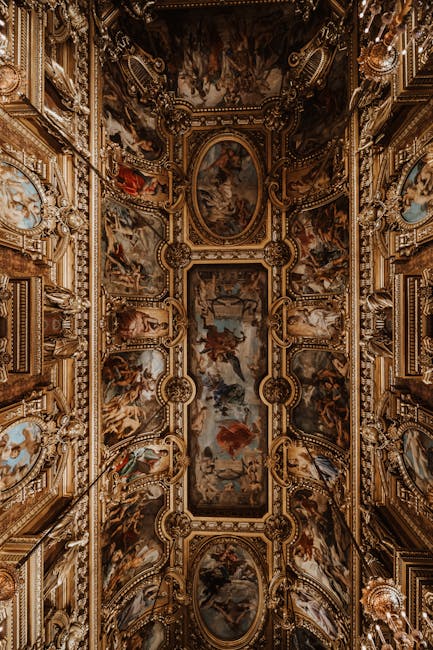
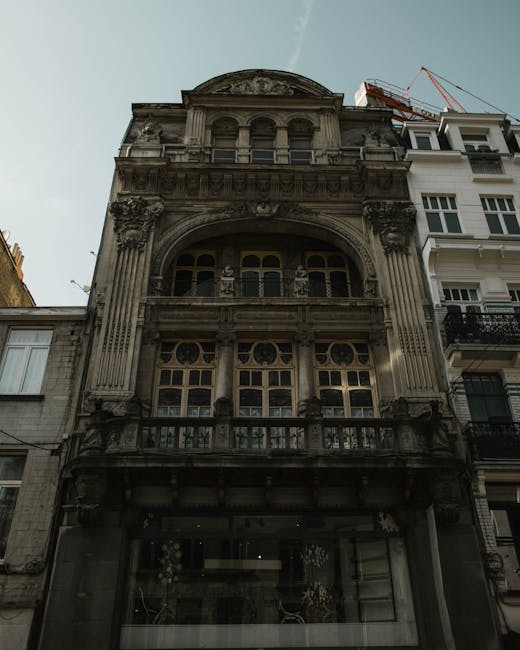
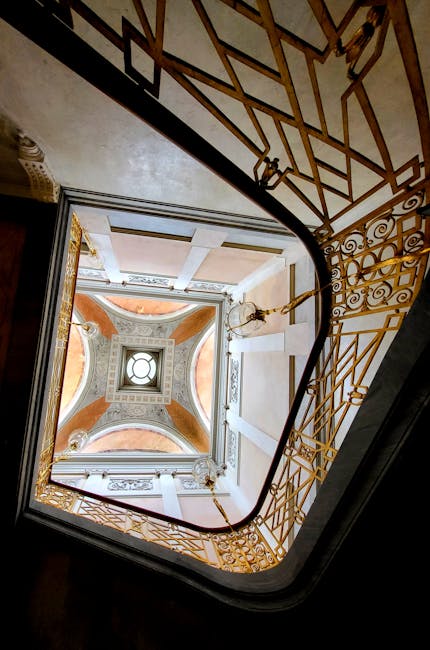
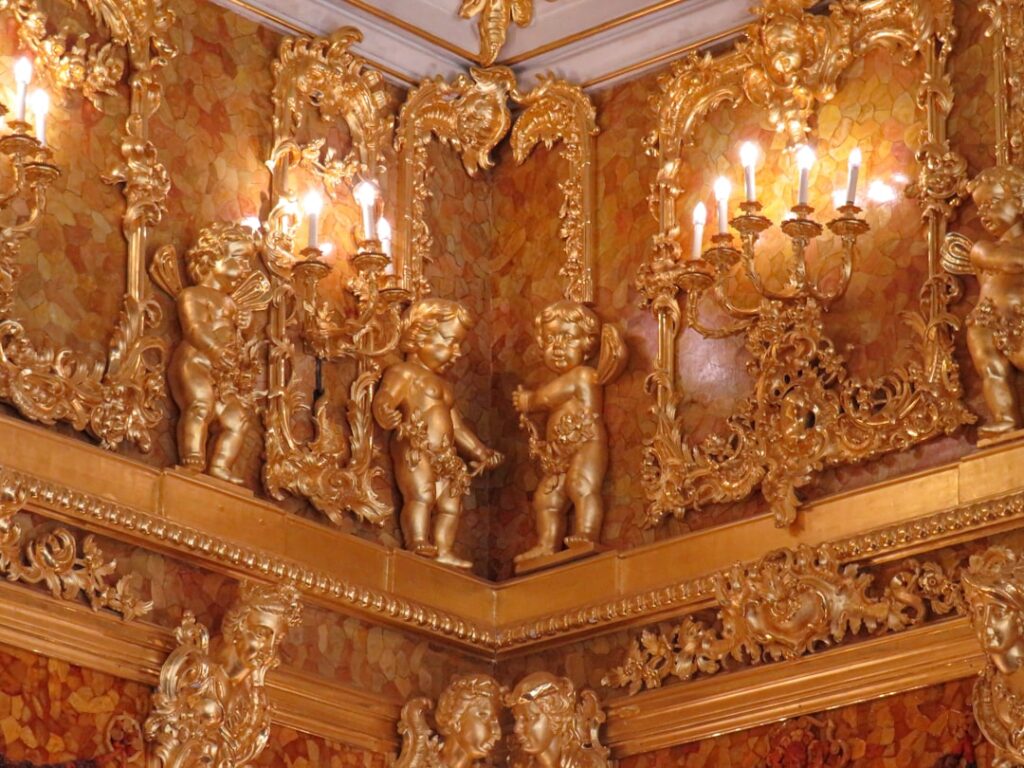
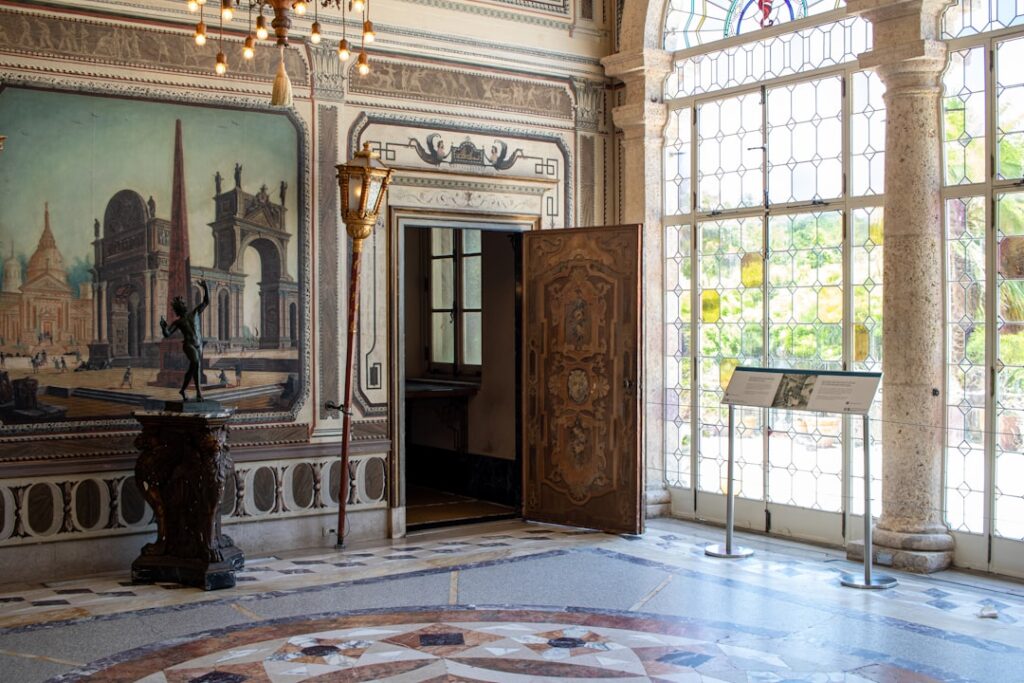
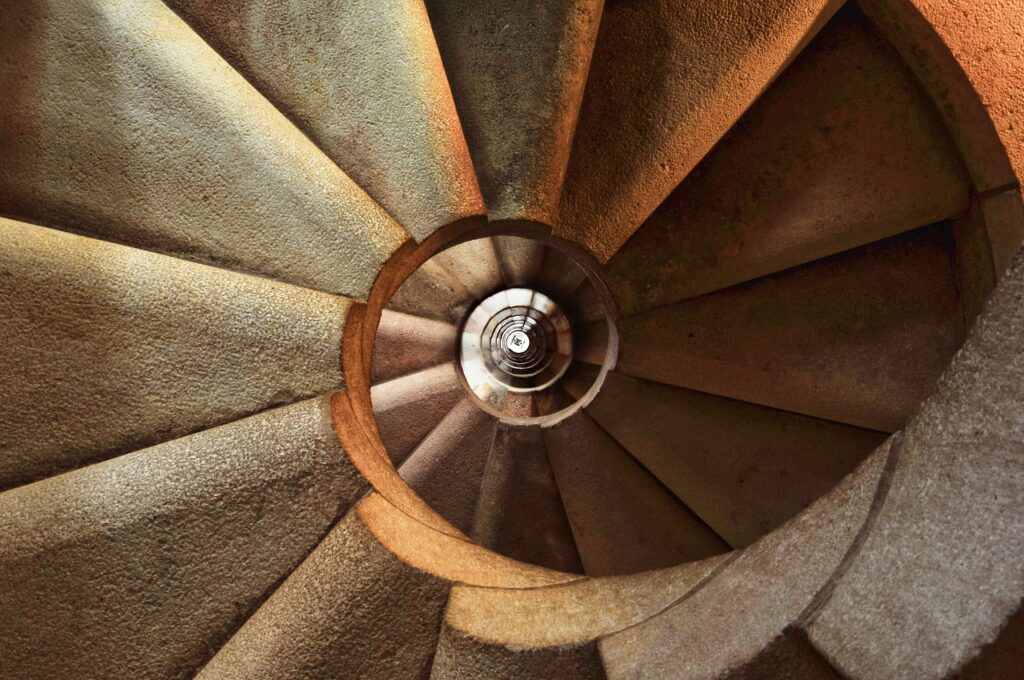
The façade, modest compared with Mediterranean palaces, contrasts with the lavish interiors: vestibules, carved staircases, wood-paneled salons, coffered ceilings and wall paintings all testify to a refined way of living. The ceremonial staircase is often cited as one of the highlights: its wrought-iron banister, balusters and wall decorations lead visitors to a succession of rooms where ornamentation reaches its peak. Decorative paintings and woodwork were crafted by local and Italian artisans, blending Provençal and transalpine influences and giving the palace a singular identity on the French Riviera.
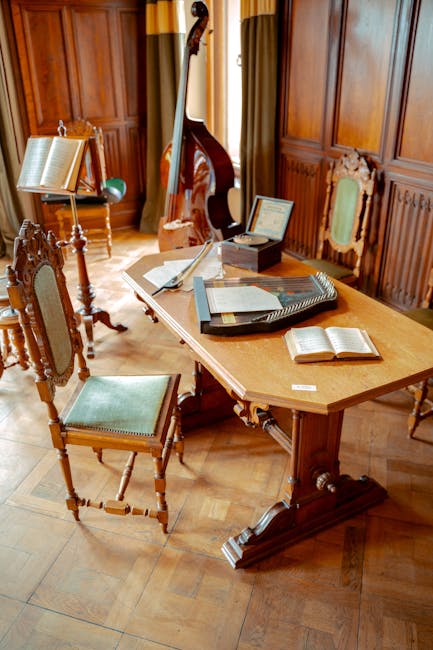
In 1946 the building was listed and placed under protection, then acquired by the City of Nice. After successive restoration campaigns, the palace opened to the public as a museum. One of the most successful museographic choices was to preserve and highlight the original decor, allowing the collection of antique instruments to be exhibited in an authentic setting. This harmony between the place and the collection makes the visit more immersive: instruments are not shown as isolated display cases, but as elements of a Baroque salon where harpsichord, lute and violin sounds once resonated.
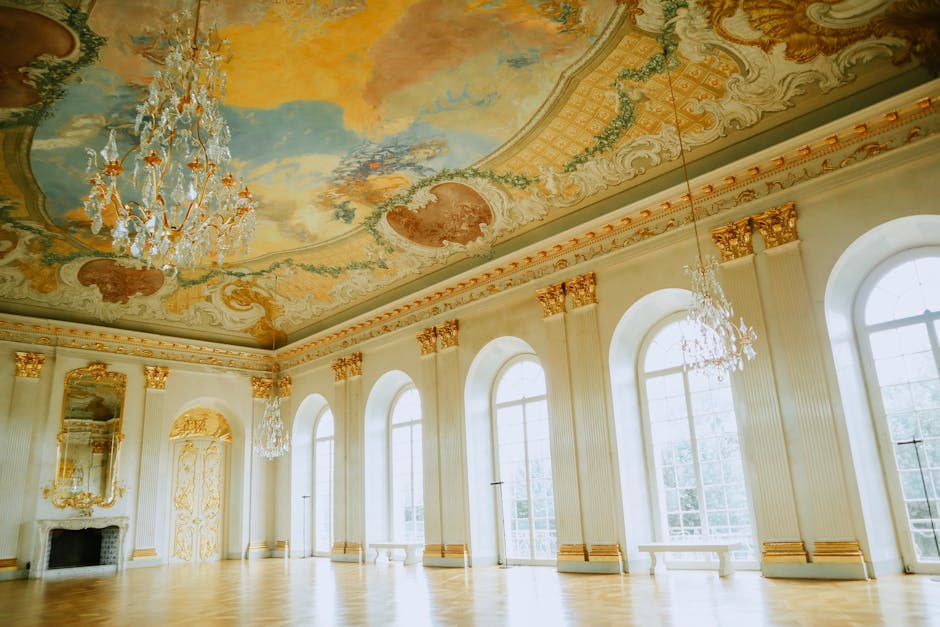
Architectural details to watch for include carved fireplaces, patterned lintels, hand-painted ceilings and doors with original ironwork. These details explain why the Palais Lascaris is not only interesting for its collection but also as a living illustration of noble domestic art in southeast France. The interior layout supports a chronological and thematic visit: ascending floor by floor, you follow changes in domestic and musical practices from the 17th to the 19th century, while appreciating modern restorations that preserved the site’s authenticity.
The Instrument Collection and Baroque Treasures: Masterpieces and Curiosities
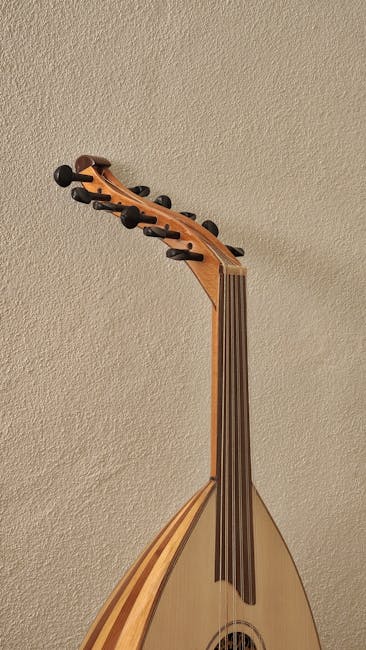
The museum’s heart lies in its collection of antique instruments, often regarded as one of the richest in southern France. The holdings include violins, cellos, viols da gamba, lutes, theorbos, harpsichords, recorders, oboes and period clarinets, alongside sheet music, manuscripts and musical iconography. Each instrument is accompanied by an information card detailing its maker, approximate date, country of origin and condition. For attentive visitors, it’s an opportunity to study the evolution of instrument shapes and construction techniques.
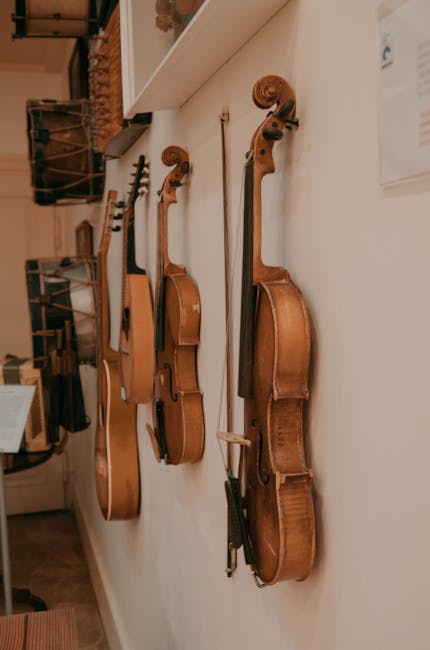
Notable pieces include an 18th-century Italian harpsichord adorned with marquetry, a 17th-century 10-course lute, and a complete family of viols da gamba that illustrate chamber music practice during the Baroque era. The palace also houses original sheet music from local and transalpine composers, offering insight into the repertoires played in these salons. These manuscripts are valuable to musicologists and sometimes enable the revival of forgotten works.
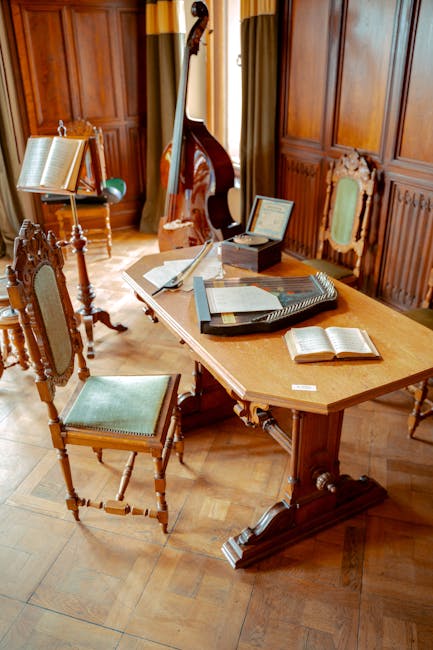
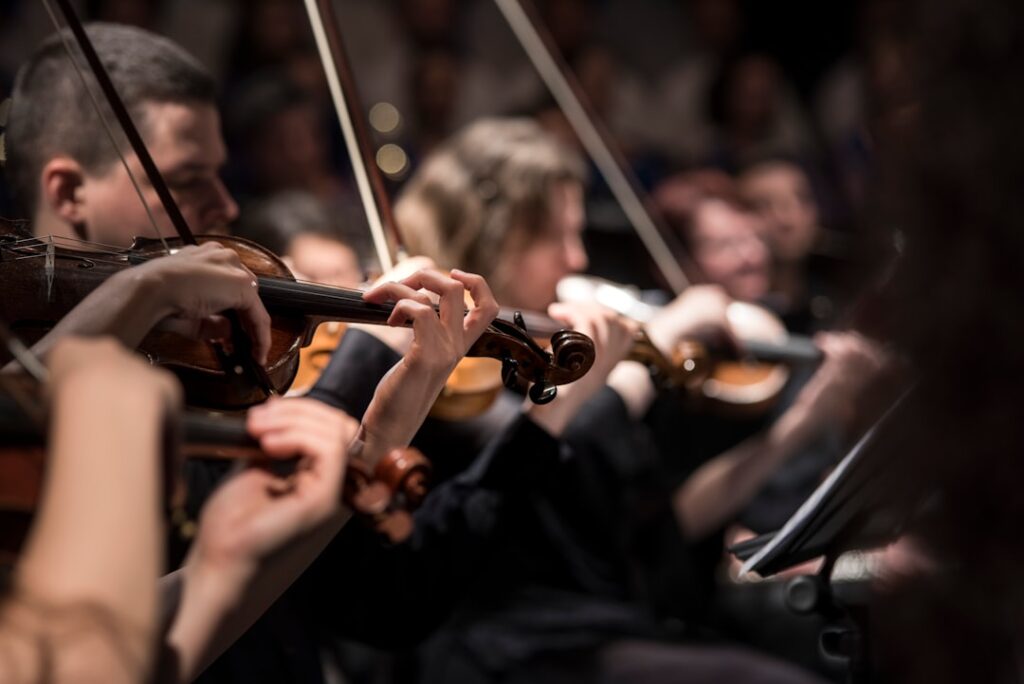
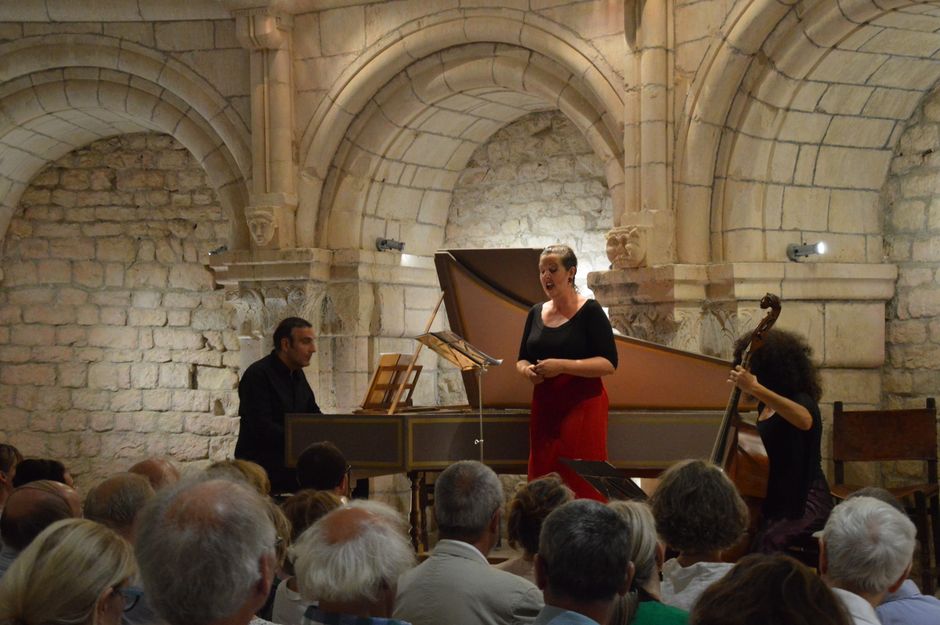
The museum’s display strategy favors proximity to the objects: low vitrines, directed lighting, and explanatory panels in French and English. At certain times, the museum offers sound demonstrations or early music concerts where instruments from the collection — or faithful reproductions — are played. These events are highly recommended because they restore the objects’ primary function: making music. Check the event schedule before your visit, as concerts completely change how you experience the place.
Don’t miss the curiosities: mechanical music devices, small music boxes, and hybrid instruments that testify to luthiers’ inventiveness. Labels also note restorations carried out and materials used (walnut, rosewood, ivory — where permitted and sometimes replaced by synthetic materials during modern restorations). For photography enthusiasts, the rich textures (varnished wood, brass, parchment, leather) make beautiful subjects — but please respect no-flash rules and maintain the required distance.
Practical Visitor Info: Opening Hours, Prices, Accessibility, Tips and Routes
Address and contact: Palais Lascaris, 15 Rue Droite, 06300 Nice. The palace is in Old Nice, a pedestrian neighborhood near the Cathédrale Sainte-Réparate (Cathédrale Sainte-Réparate, 3 Place Rossetti, 06300 Nice) and the Place du Palais. You can walk from the seafront (Promenade des Anglais) or from Nice-Ville train station by bus or on foot in about 20 to 30 minutes depending on your pace.
Opening hours (subject to seasonal changes): Palais Lascaris is open Tuesday to Sunday from 10:00 to 18:00. Closed on Mondays. Last admissions are generally allowed 30 minutes before closing. In summer (July–August) and during special events, hours may be extended; check the City of Nice official site or the ticketing page before your visit. For group bookings and guided tours, contact the City of Nice public services in advance.
Indicative prices (municipal rates — check for updates): full price €6.00; reduced price €4.00 (students, seniors, large groups); free for children under 18 and for EU residents aged 18–25 upon presentation of ID. Combined tickets may be available with other Nice municipal museums (e.g., Musée Masséna, Musée d’Art Moderne et d’Art Contemporain) — ask at the ticket desk or on the City of Nice website. Tickets can often be bought on site or online, which is recommended during high season to avoid queues.
Accessibility: due to its historic architecture, Palais Lascaris includes stairs and narrow passages. Some areas are not fully accessible to visitors with reduced mobility. The ticket desk and reception provide information about access and may offer partial accommodations (elevator to certain levels or visits on request). If you have specific needs (wheelchair, stroller), contact the museum in advance to organize the visit. Guide dogs are generally accepted — confirm beforehand.
Practical tips for your visit: come early in the morning (or late afternoon) to avoid crowds; allow 1 to 1.5 hours for a relaxed visit; join a guided tour if available to benefit from expert commentary; follow photography rules (often allowed without flash) and conservation guidelines. Combine the visit with a stroll through Old Nice: Place Rossetti, Rue Droite, Cours Saleya (flower and food market) for a full day of discoveries.
Local Tips, Where to Eat and Routes Around the Palais
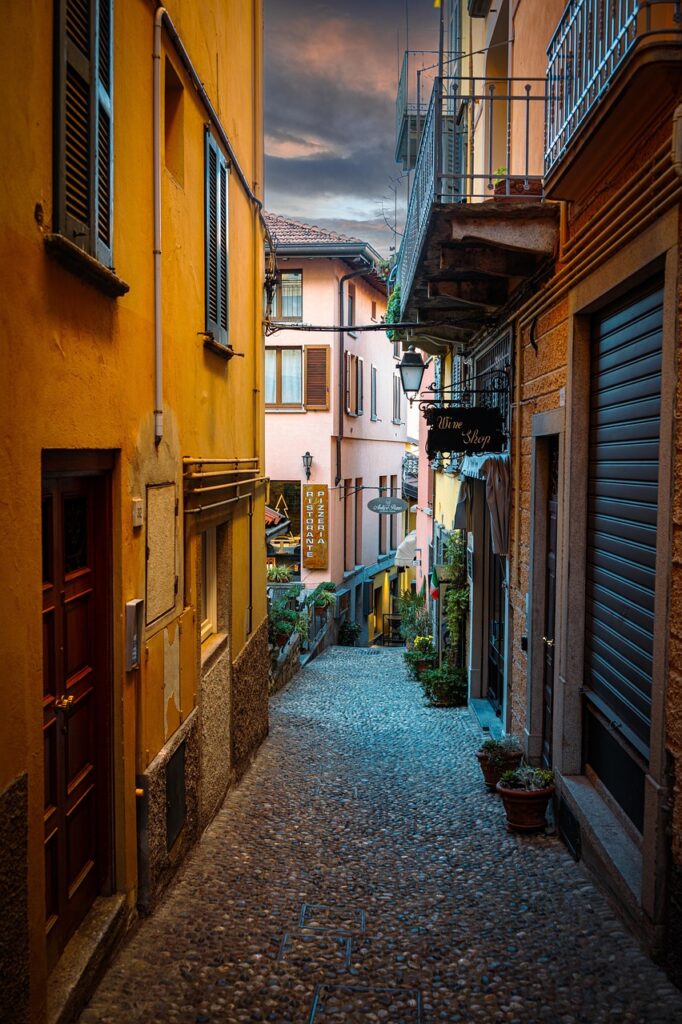
Old Nice is the perfect playground to extend your Palais Lascaris visit. Start with a morning coffee on Place du Palais de Justice or Place Rossetti (Place Rossetti, 06300 Nice), then wander the colorful lanes. Here are practical local suggestions for half-day or full-day plans around the palace:
- Breakfast: Boulangerie Patisserie “Agnès” or Boulangerie “Pâtisserie Cappa” on Rue Saint-François de Paule — traditional coffee and viennoiseries. Exact address: Boulangerie Patisserie Cappa, 4 Rue Droite, 06300 Nice.
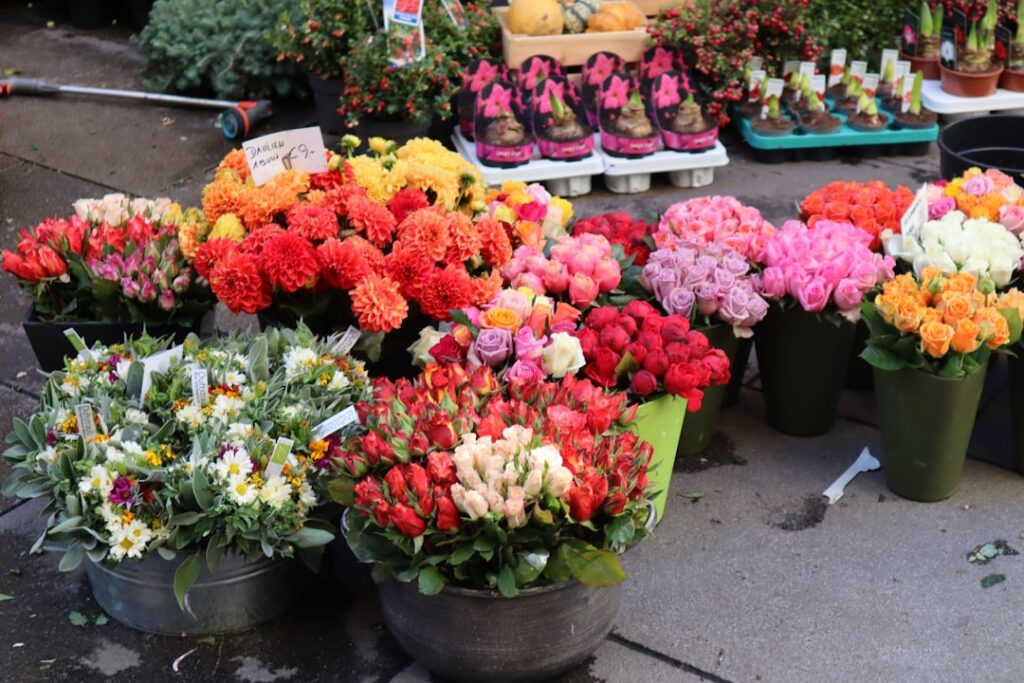
- After the visit: Head to Cours Saleya (Cours Saleya, 06300 Nice), the famous flower and Provençal market — ideal for buying soaps, spices and local souvenirs.
- Lunch: Recommended traditional Niçois restaurants: Chez Pipo (famous for socca) — Chez Pipo, 13 Rue Bavastro, 06300 Nice; La Table Alziari (Niçois cuisine) — 4 Rue François Zanin, 06300 Nice.
- Nearby culture: Cathédrale Sainte-Réparate (Cathédrale Sainte-Réparate, 3 Place Rossetti, 06300 Nice) — admire the Baroque architecture and side chapels. The Musée d’Art Moderne et d’Art Contemporain (MAMAC, Place Yves Klein, 06000 Nice) offers another cultural angle.
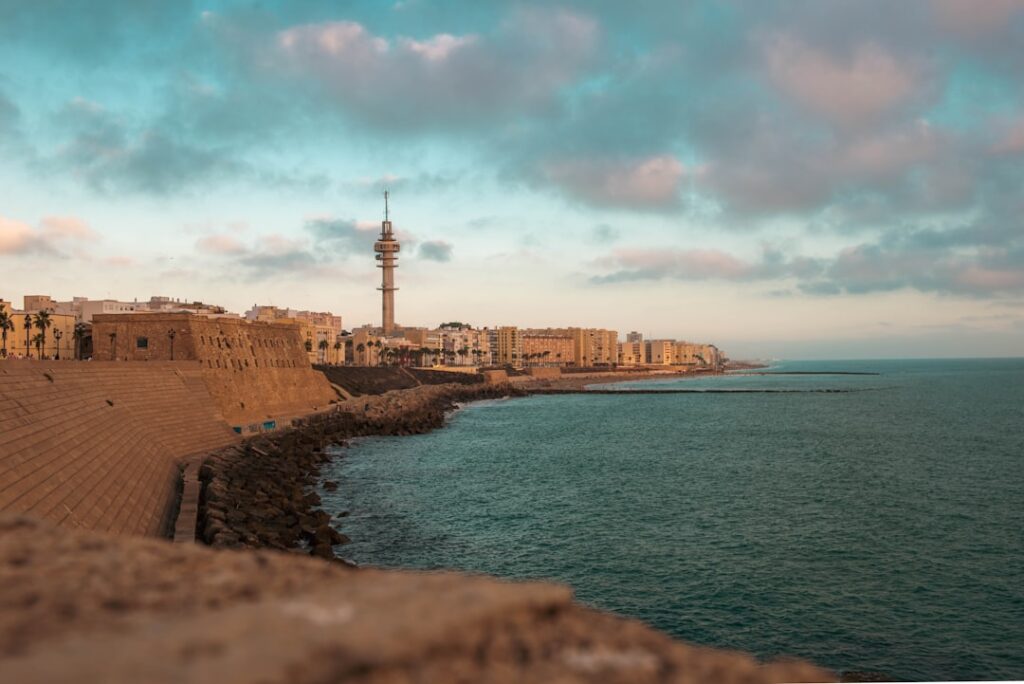
- Scenic route: Walk up to the Château de Nice (Colline du Château, Parc du Château, 06300 Nice) for sweeping views over the Baie des Anges and the Promenade des Anglais — perfect at sunset after a cultural afternoon.
Other recommendations: bring a water bottle (streets can be steep and hot in summer), wear shoes suitable for cobbles, and note local shop closure times (many small stores may close between 12:00 and 15:00). If you’re keen on early music, look into concerts organized by local ensembles that sometimes perform in the palace’s intimate rooms — an unforgettable way to hear the instruments in their original acoustic context.
Finally, for travelers seeking authentic experiences, chat with guides and museum staff: they often share anecdotes about the Lascaris family, details about a specific instrument’s restoration, or information about rarely displayed pieces. These conversations enrich the visit and help you step into the living story of the palace.
Conclusion: Why Palais Lascaris Deserves an In-Depth Visit
Palais Lascaris is a must-visit for anyone looking to combine history, art and music in one place. Its central position in Old Nice makes it easy to pair with other visits and allows you to fully immerse yourself in Niçois city life. The visit offers a double reward: on one hand, Baroque architecture, period decor and the atmosphere of a 17th-century townhouse; on the other, a collection of rare and precious instruments that tell the story of chamber and salon music in Europe. These two aspects complement each other and reinforce the sense that this site is not just a museum, but a house-museum where objects regain their original context.
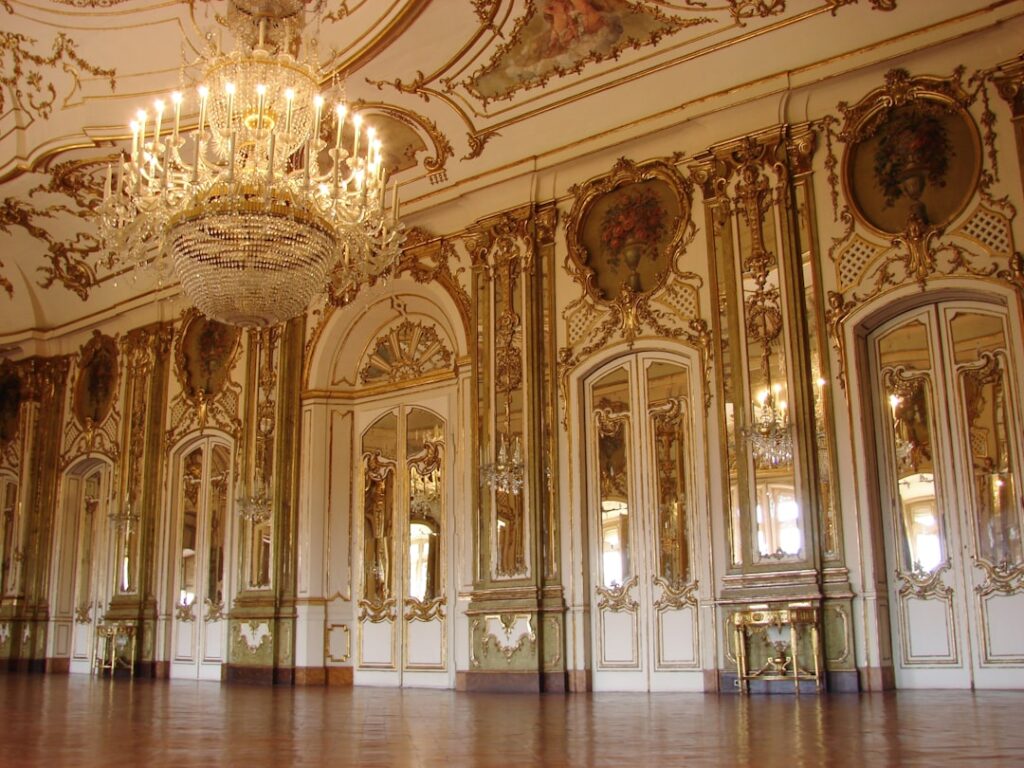
For discerning visitors, Palais Lascaris offers an experience that is both intellectual and sensory. The instruments on display, the scores and possible sound reconstructions provide a concrete understanding of past musical practices, while the architecture and decor recall the social status and aesthetic codes of the Baroque period. Careful conservation and respectful presentation are guarantees of quality that make Palais Lascaris a reference point on the French Riviera.
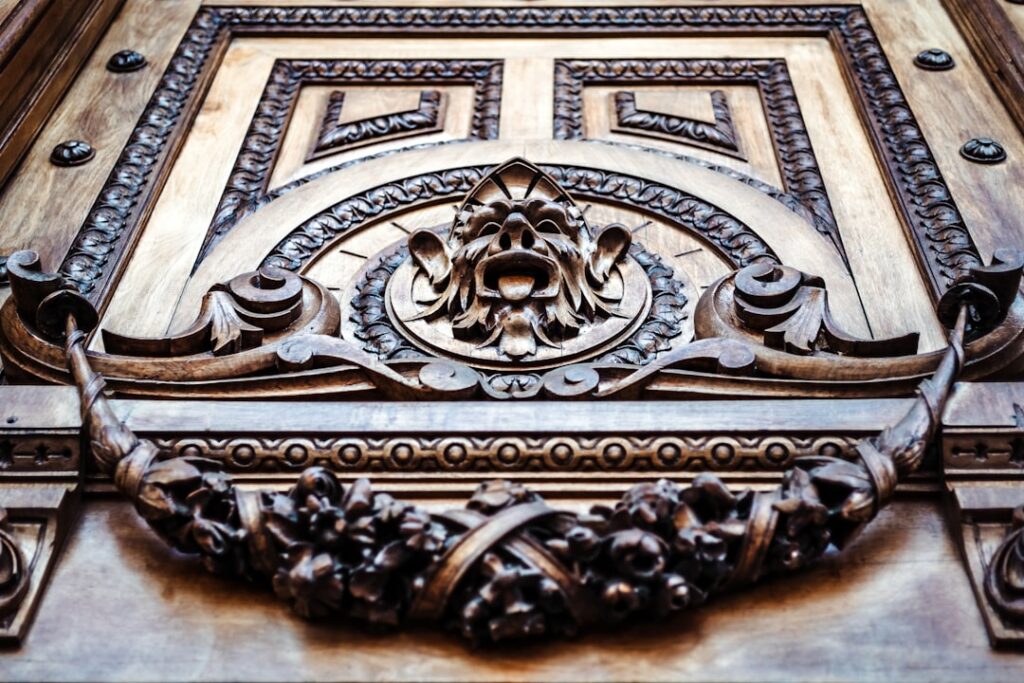
Before you leave, remember to check opening hours and prices (Palais Lascaris, 15 Rue Droite, 06300 Nice — usually Tuesday to Sunday 10:00–18:00; full price €6.00, reduced €4.00, free for under 18s and EU residents aged 18–25), consult the concerts and guided tour calendar, and pair your visit with Cours Saleya, the Cathédrale Sainte-Réparate and the Château hill for a full day out. Palais Lascaris is not just a cultural stop — it’s an immersion into an era and a way of life that continue to inspire. In short, whether you’re an early-instrument enthusiast, photographer, historian or simply a curious visitor, allow enough time to savor each salon, each instrument and every carved detail: the charm of Palais Lascaris unfolds slowly, step by step, in time with its stairs and ancient notes.