





Introduction — A Cultural Dive into Old Nice
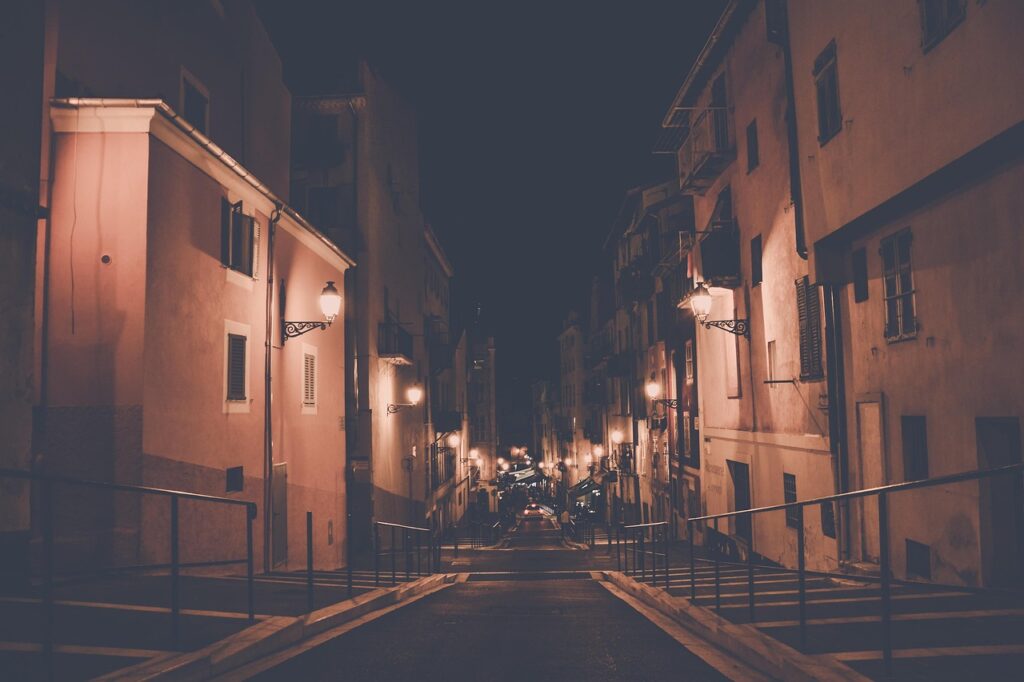
Old Nice is the historical and sensory heart of the city: a maze of narrow lanes, ochre façades and little squares where time seems to hold on to the scents and colors of the Mediterranean. Strolling through this neighborhood is like reading a living page of local history — from Ligurian and Genoese occupations to the flourish of Baroque style, and from the trade in flowers to the spice markets. This guide offers a complete cultural walk, with exact addresses, opening hours, prices and local tips to help you make the most of a visit to Old Nice.
Along the route you’ll find Baroque churches overflowing with art, lesser-known but rewarding museums, markets where Niçoise life wakes up at dawn, and viewpoints that frame the Bay of Angels. I’ll also cover practical experiences: where to grab a still-warm socca, the best time to climb Castle Hill for sunset, and how to dodge the longest queues at the most popular sites.
This guide is written for both the slow traveler who wants to soak up the atmosphere and the visitor short on time who needs to make the most of half a day or a full day. You’ll get practical information — full addresses, opening hours, entrance fees in euros, and local recommendations — so you can plan your itinerary without surprises. My descriptions are immersive: I’ll mention worn tiles, the market’s soundtrack, the smell of socca frying and the gleam of gilding in the chapels. I’ll add tips for photographing the sights, timing your visit to avoid crowds, and spotting the artisans and workshops that still give Old Nice its lively character.
Before setting off, a few practical pointers: Old Nice is easily reached from the Promenade des Anglais and Place Masséna; the area is mostly pedestrian-friendly and best explored on foot; the streets are often cobbled and sometimes steep, so wear comfortable shoes. Shops and museums have seasonal hours: in high season (May–September) some places open earlier and close later, while in low season opening times can be reduced. Finally, bring a few euros in cash for small market purchases: many stalls accept cards but small change is always appreciated.
1. Cours Saleya: Flower Market, Local Produce and Provençal Vibes
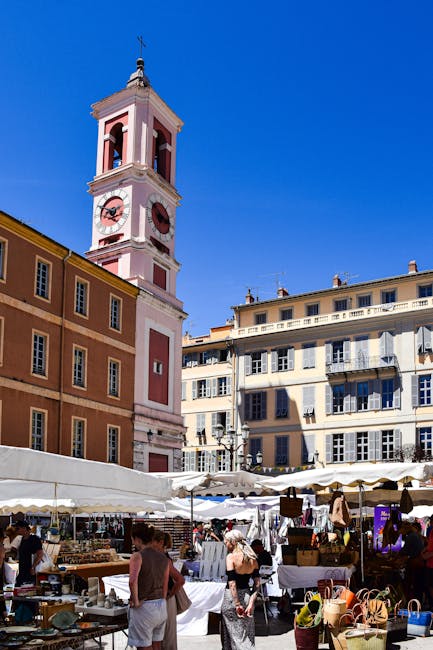
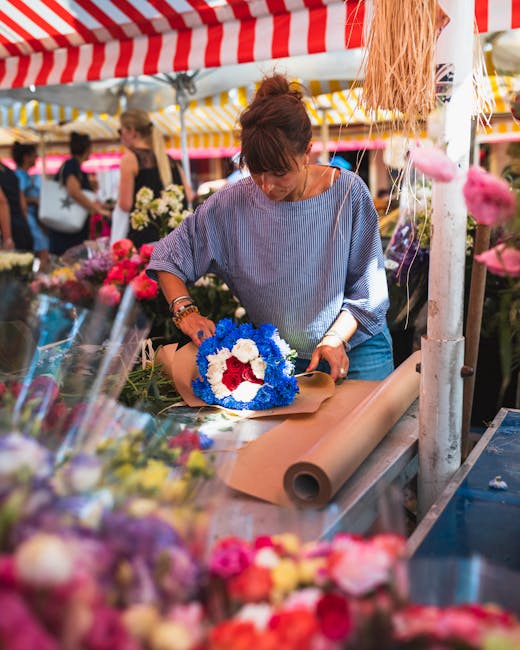
Cours Saleya is the beating heart of Old Nice. Located between the Promenade des Anglais and Place Rossetti, the official address is Cours Saleya, 06300 Nice. This large open-air market runs all year and shifts its mood depending on the day: a flower market, a fruit and veg market, a few mornings a week a brocante (second-hand market), and seasonal themed markets.
Hours and costs: the flower market typically runs daily from around 6:00 to 17:00 (times can vary by season). The food market is active from about 6:00 until 13:00–14:00. Entry is free; naturally you’ll pay for anything you buy (prices vary). Cafés and restaurants lining Cours Saleya charge terrace prices; a portion of socca or a plate like pan bagnat at a snack stall generally ranges between €4 and €12 depending on the place.
What to see and do: wander between the colorful stalls — bunches of mimosa, bougainvillea and old-fashioned roses — taste local bites like socca (a chickpea pancake) sold by small vendors on Cours Saleya, and look out for stalls selling regional products: local olive oil, tapenades, herbes de Provence, artisanal honey and preserves. The market is also a great spot to buy high-quality edible souvenirs. Many vendors are producers or local artisans who will happily advise you on recipes and storage.
Photo tip: for vibrant shots, head to the morning (between 7:00 and 10:00) when the side light enhances the flowers’ colors and the market is lively but not yet overcrowded. Avoid peak hours (11:00–14:00) if you want photos with fewer people.
2. Sainte-Réparate Cathedral and Place Rossetti: Baroque Splendor and Religious Life
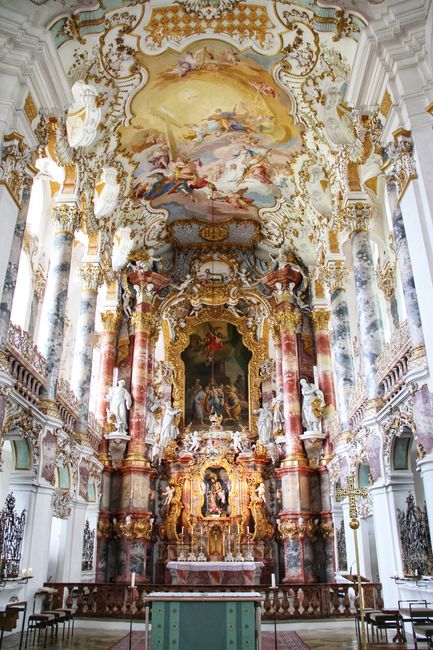
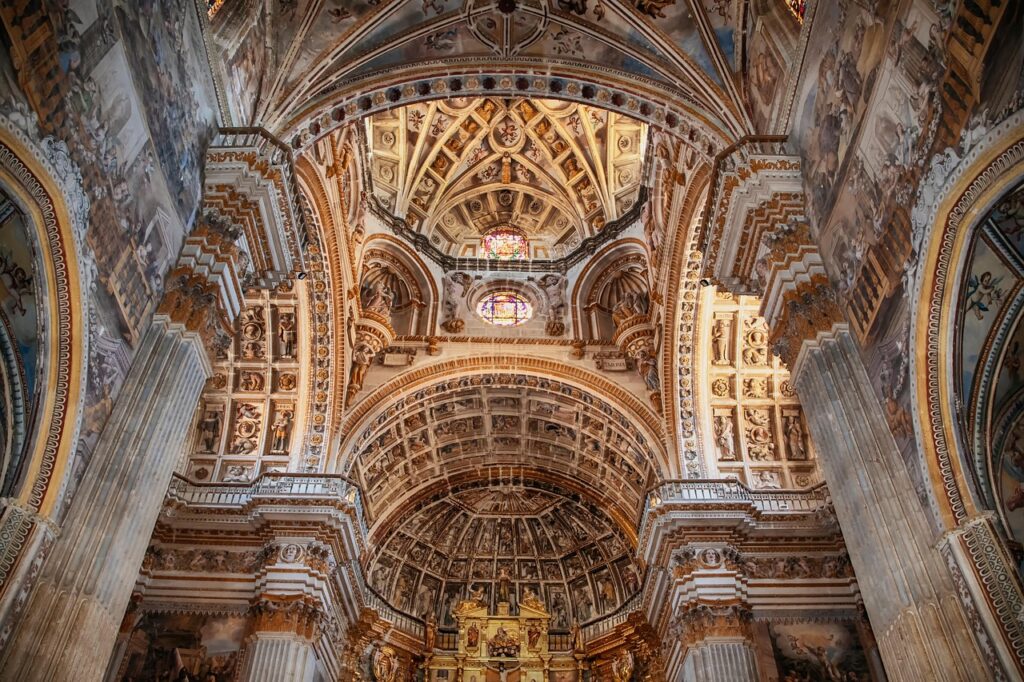
Sainte-Réparate Cathedral, officially the Cathédrale Sainte-Réparate de Nice, stands on Place Rossetti, 06300 Nice, in the heart of Old Nice, facing a number of cafés and ice cream parlors. Built in the 17th–18th centuries, it’s a prime example of Niçoise Baroque, its interior richly decorated with stucco, paintings and gilding. The cathedral is still consecrated and hosts regular services.
Hours and costs: admission to the cathedral is free for tourists. It is generally open to the public from 9:00 to 18:00 (times may vary with services and public holidays). Masses are held several times a week; for detailed times check the notices on site or the parish website. Note: during religious celebrations tourist access may be restricted.
Highlights: don’t miss the side chapel dedicated to the Virgin, the finely worked stuccoes, the organ and the church paintings. The calmer interior provides a strong contrast to the bustle of Place Rossetti, a popular meeting spot for locals and visitors alike. The square is ringed with cafés and renowned ice-cream shops — a perfect place to rest after your visit.
Local tips: if you’d like to attend an organ concert or a guided visit, ask at the tourist office or at the sacristy a few days in advance. For photographers, the interior is often dimly lit — use a fast lens and avoid flash to respect the serenity of the space. And while you’re on Place Rossetti, treat yourself to an artisan gelato at Fenocchio (see the dedicated food section).
3. Palais Lascaris and Small Baroque Churches: Music, Craftsmanship and Collections
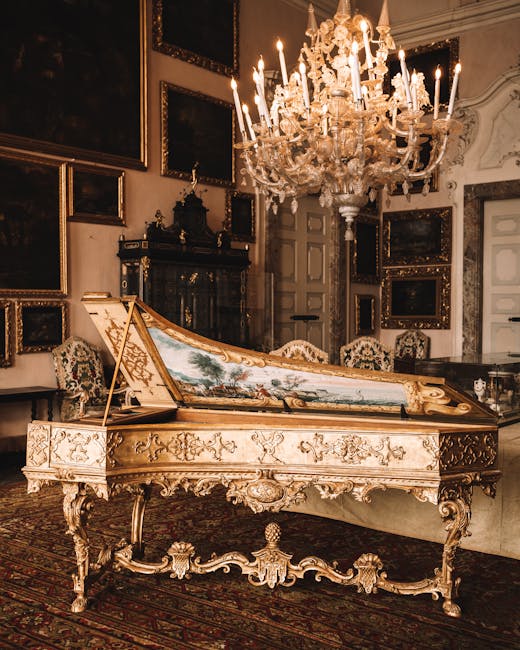
The Palais Lascaris is one of Old Nice’s hidden gems. Address: 15 Rue Droite, 06300 Nice. This 17th-century palace-turned-museum displays an impressive collection of historical musical instruments, period furniture and paintings. The building itself, with its carved façade and grand staircase, is a fine example of Baroque architecture you won’t want to miss.
Hours and costs: the museum is generally open Tuesday to Sunday from 10:00 to 17:00, closed on Mondays and certain holidays. Typical prices: full fare around €6.00; reduced rate (youth, students, seniors) around €4.00; free entry may apply for under-18s and according to municipal cultural policies. Fees can change, so check the City of Nice’s official site or the entrance for up-to-date info.
Immersive visit: cross the threshold and you’ll be struck by the palace’s hushed atmosphere — frescoes, painted ceilings and woodwork. The wind and string instruments on display tell the musical history of the region and of Europe. Labels are well designed and some exhibits offer audio elements through QR codes or audio guides (depending on programming). When available, themed guided tours add valuable context about the instruments and aristocratic life in Nice during the 17th–18th centuries.
Around the palace: Old Nice has several small Baroque churches and chapels to explore on foot, such as the Chapelle de la Miséricorde or the Church of Saint-Jacques-le-Majeur. These chapels often house gilded altarpieces, statues and locally made paintings. Use this part of town to notice artisan workshops and art galleries that have set up in the neighboring lanes.
Practical tips: rooms can be small and group visits may crowd the spaces. For a more intimate experience, visit early in the morning or late afternoon. If you’re musically inclined, check for concerts or recitals occasionally held in the palace.
4. Castle Hill (Parc du Château) and Panoramic Views over the Bay of Angels
Castle Hill, often called Parc du Château, overlooks Old Nice and offers one of the finest views over the city and the Bay of Angels. The main access is at the end of Rue de la Tour or via Boulevard du Château, 06300 Nice. Another popular approach is the steps near Port Lympia. The park is a green break among the city’s stones, with archaeological remains, man-made waterfalls and scenic belvederes.
Hours and costs: the climb up to the park is free. The park is usually open from 8:00 to 20:00 in high season (April to October); hours may be reduced in low season. The panoramic elevator (when in service) near Quai Lunel/Place Pierre Gautier may charge a small fee or be free depending on municipal policy — check local information boards.
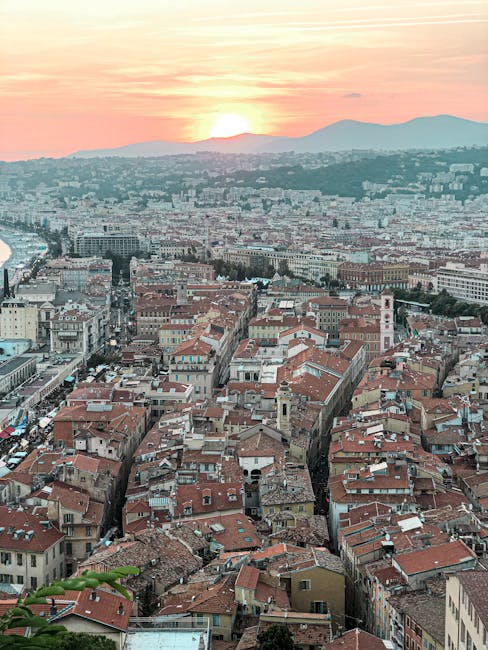
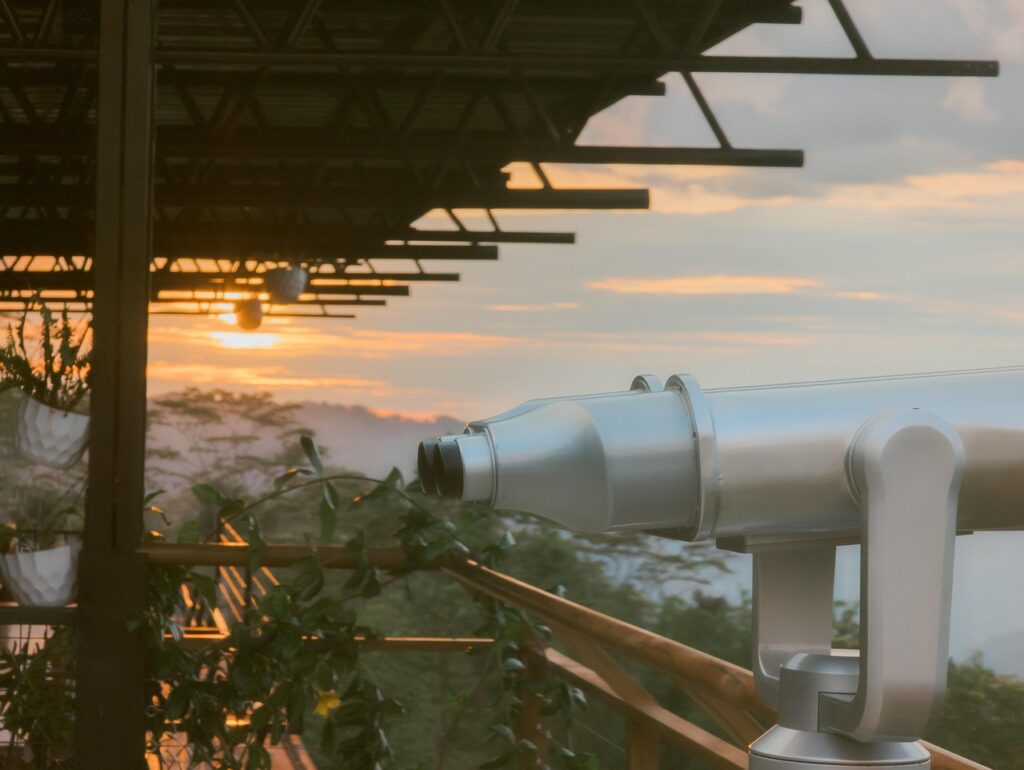
What to do: head to the château viewpoint for an unobstructed panorama of the Promenade des Anglais, the port and the old town. Late afternoon light, as the sun sinks toward the horizon and the bay erupts in color, is particularly spectacular. The castle ruins provide a romantic backdrop and help explain the defensive layout of the historic town.
Practical tips: several routes lead to the top — steep stairs for the energetic or a gentler footpath via the pedestrian road. Wear sturdy shoes; in summer bring a bottle of water. If you plan to watch the sunset, arrive at least 30–45 minutes early to pick your vantage point and avoid crowds. Photographers will benefit from a wide-angle lens to capture the expanse and a telephoto for details on the Promenade des Anglais and the colorful roofs of Old Nice.
5. Artisans, Lanes and Food: Flavors and Crafts of Old Nice
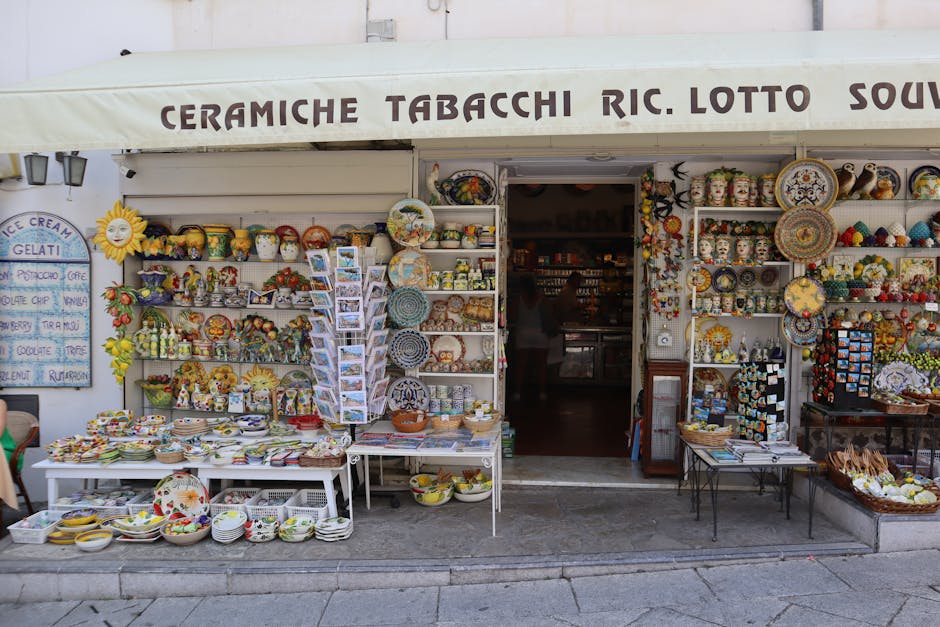
Old Nice is a living fabric of artisans, small shops and restaurants that keep Niçoise traditions alive. Wander streets like Rue Droite, Rue Rossetti and Rue Saint-François de Paule to discover ceramic workshops, textile boutiques, traditional confectioners and herbalists. A must-stop for food lovers is Fenocchio Gelato on Place Rossetti — exact address: Place Rossetti, 06300 Nice — famous for its inventive flavors and generous portions. Ice cream shops typically open between 11:00 and 23:00 in high season.
Local specialties: don’t miss socca (a thin chickpea flour pancake), pan bagnat (a tuna-and-vegetable sandwich), pissaladière (an onion and anchovy tart), and seasonal specialties such as tourte de blea. To taste traditional wood-fired socca, look for small, unpretentious shops that simply advertise “socca” — a quick meal costs between €3 and €6. More refined Niçoise restaurants list main courses between €15 and €30.
Useful addresses and workshops: for jams and artisanal foodstuffs, check the delicatessens around Cours Saleya. For local crafts, the Galerie de la Marine (location varies by exhibit) and the shops on Rue Droite often showcase contemporary creations inspired by the Côte d’Azur. Prices vary widely: simple souvenirs from about €5, artisan ceramics or handcrafted pieces from €20 to €200 depending on the item and the artist.
Local advice: for a more authentic experience, avoid terraces facing Place Rossetti at peak times if you want better value; instead, try the small side streets where locals frequent intimate bistros. If you buy food products (olive oil, tapenade), always ask about origin and labeling: local producers usually indicate the mill or cooperative of origin.
6. Port Lympia, Quays and Seafront Promenade: the Old Gateway to the Sea
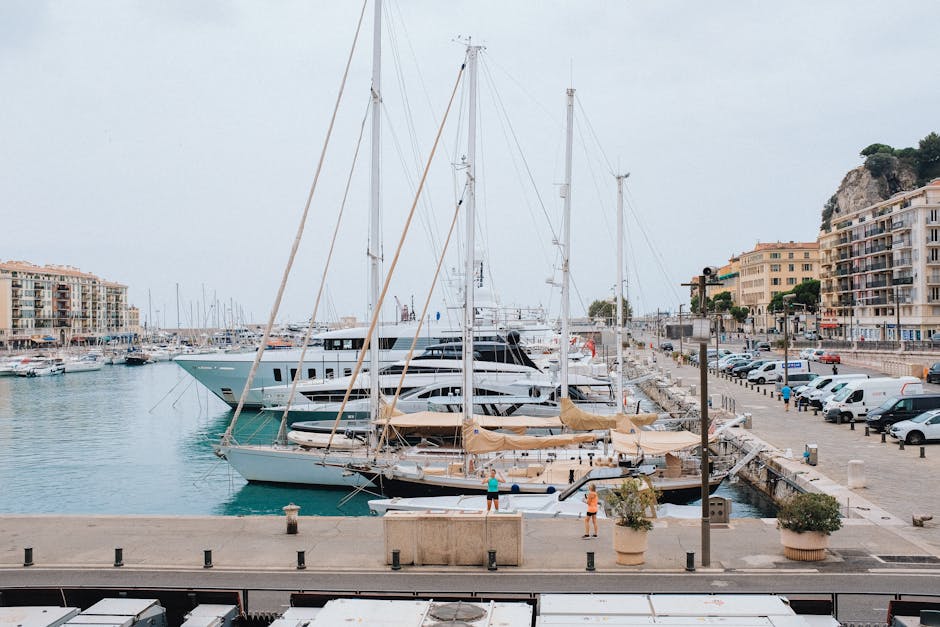
On the edge of Old Nice sits Port Lympia (also called the Old Port), stretching along the quay and hosting traditional fishing boats, yachts and pleasure craft. General address: Port Lympia, Quai Lunel / Quai des Deux Emmanuel(s), 06300 Nice. The promenade along the docks is perfect for watching maritime life, having a coffee with a view of the boats, or boarding excursions at sea.
Hours and costs: walking the quays is free and accessible throughout the day. Coastal cruises and trips to Île Sainte-Marguerite, Île Saint-Honorat, or to Monaco and Cannes run on variable schedules; expect prices between €15 and €50 depending on duration and destination. Ticket booths are usually near quays 3–4 or at excursion stands along the quay.
What to do: watch the fishermen come back in, buy fresh fish at auction if you get the chance (check local regulations), or simply walk the docks to photograph Old Nice’s façades from the water. The port is also a convenient starting point for sunset boat trips. Various local operators offer private tours and shared outings — compare reviews and ask for safety certificates before boarding.
Practical tips: mornings are a great time to see fishermen at work and to avoid the crowds. In the evening the port lights up and several restaurants offer waterside terraces; prices there are often higher than in the town’s lanes. For better value, pick a bistro recommended by locals or explore small trattorias tucked into streets perpendicular to the port.
Conclusion — How to Make the Most of Old Nice
Old Nice is far more than a collection of monuments: it’s a living place where history, craftsmanship, food and daily life meet. To fully enjoy this neighborhood, adopt a walking pace, alternate cultural visits with tasty breaks, and favor off-peak hours for certain sites. For example, arrive early at Cours Saleya for the flower market, visit Palais Lascaris late morning, then climb Castle Hill at dusk for an unforgettable panorama.
Practically speaking, bring a map or a navigation app (Old Nice is a maze), wear comfortable shoes and carry a small amount of cash for market purchases. If you want guided tours, check the Métropole Nice Côte d’Azur Tourist Office (central address: 5 Promenade des Anglais, 06000 Nice — opening hours vary), which offers themed circuits in multiple languages. For a truly local experience, look for guides who focus on intangible heritage: family cooking, local anecdotes and hidden architecture.
Finally, respect the places and the residents: Old Nice is a residential neighborhood with a strong cultural identity. Avoid blocking the narrow lanes, respect the timings of religious services and favor purchases from small businesses to support the local economy. Follow these tips and your cultural walk through Old Nice will be rich, immersive and sustainable — a lasting memory of the Côte d’Azur, between ancient stones and sea spray.