





Introduction: Night Safety in Nice — Overview, Context and Stakes
Nice, the prefecture of Alpes-Maritimes and a gem of the French Riviera, draws millions of visitors each year for its mild climate, the iconic Promenade des Anglais and its charming old town. But like any major tourist destination, nighttime safety is a legitimate concern for both residents and travelers. This comprehensive, practical guide is designed to give you a usable map of the city at night, concrete advice and targeted recommendations on neighborhoods that are generally safe and areas where you should be more cautious after dark.
Nice is made up of neighborhoods with very distinct characters: the Promenade des Anglais (Promenade des Anglais, 06000 Nice) along the sea, the Old Town (Old Town, 06300 Nice) with its maze of bars and narrow streets, the Carré d’Or and Avenue Jean Médecin (30 Avenue Jean Médecin, 06000 Nice) as a major shopping artery, Port Lympia (Port Lympia, Quai des Deux Emmanuel, 06300 Nice) that livens up in the evening, and residential areas like Cimiez (164 Avenue des Arènes de Cimiez, 06000 Nice). Each area has perks — late-night cafés, restaurants, night markets — but also specific safety considerations: pickpockets on the Promenade, crowds around Old Town bars, and quieter pockets near some train station exits.
This guide will walk you through immersive neighborhood descriptions, exact addresses of useful landmarks, typical opening hours (transport, museums, shops), indicative prices (in euros), practical tips to lower your risk (well-lit routes, night public transport, taxis, helpful apps), and point out areas where extra vigilance is advised. The goal is not to alarm you but to inform: knowing local realities increases your safety and lets you fully enjoy Nice after dark.
Before we start, keep in mind a few simple but effective rules: keep valuables out of sight, avoid poorly lit alleys when alone, stick to busy, well-lit sidewalks, memorize your accommodation address and a local emergency number (police: 17; fire/medical emergency: 18; European emergency number: 112). We’ll also give precise addresses for police stations, tram stops and well-used parking areas to help with nighttime planning.
Neighborhoods Safe to Walk at Night — Seafront Promenades, Main Shopping Streets and Quiet Residential Areas
Among the areas that are generally safe and well-lit at night in Nice, you can group them into three types: busy seaside promenades, major commercial avenues and some quiet residential neighborhoods. Each offers a different vibe and specific amenities.
Promenade des Anglais and the Seafront
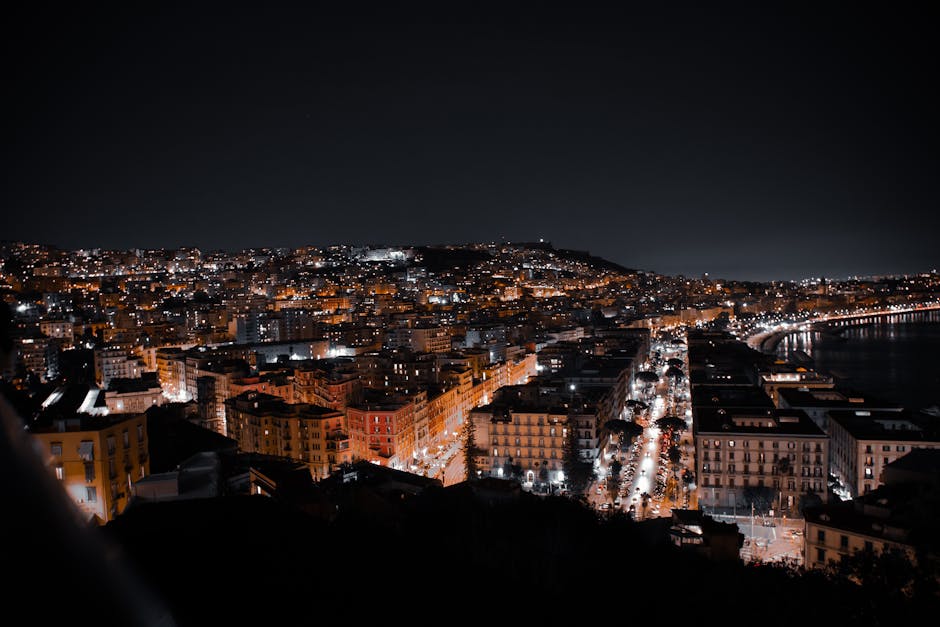
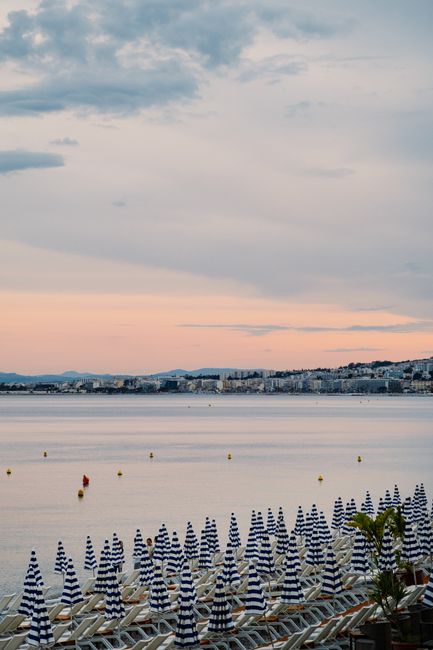
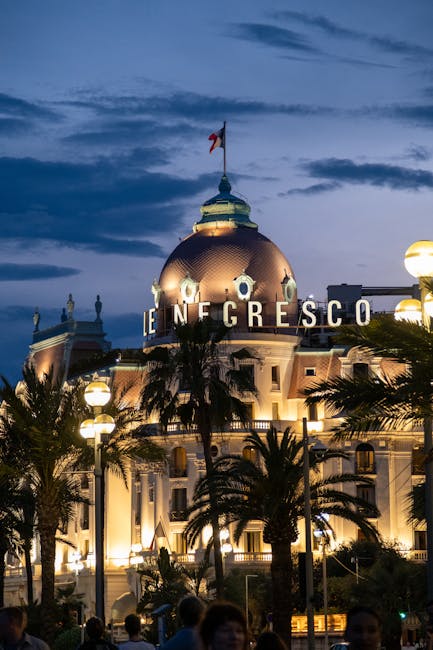
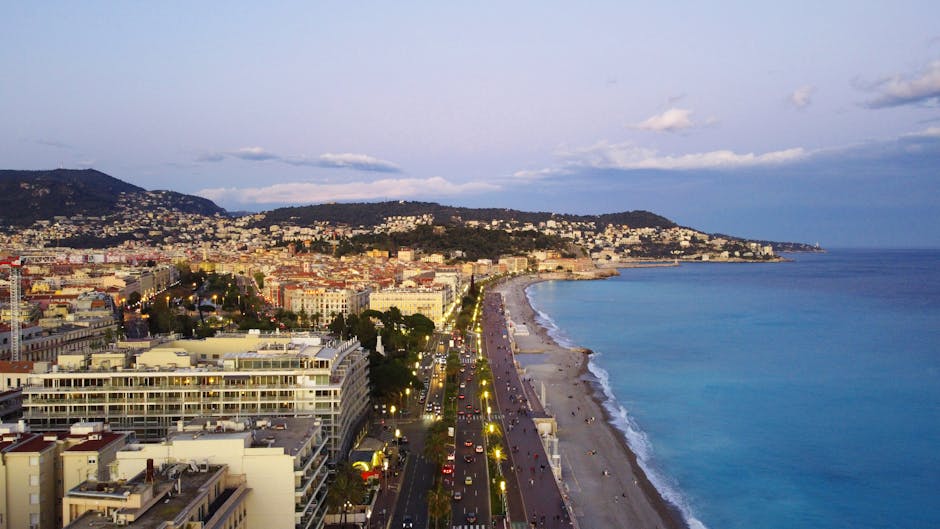
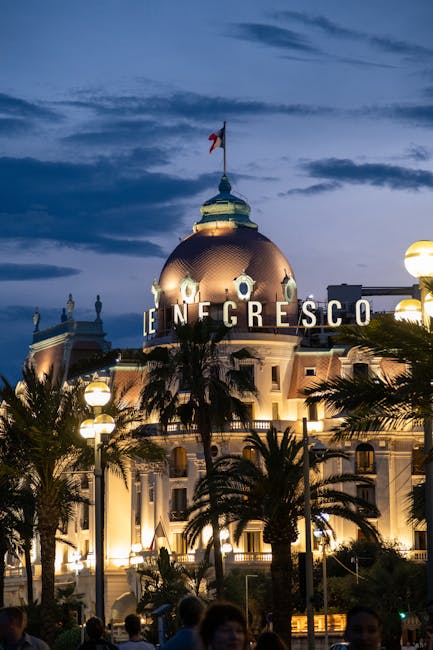
The Promenade des Anglais (Promenade des Anglais, 06000 Nice) is one of the safest places for an evening stroll: wide sidewalks, continuous lighting, regular police presence and lots of fellow pedestrians and cyclists. Day or night, the promenade is frequented by joggers, families and tourists. Nighttime highlights include the Hôtel Negresco (Hotel Negresco, 37 Promenade des Anglais, 06000 Nice — 24-hour reception) and the arranged beach areas. Private beaches like Plage Beau Rivage (1 Promenade des Anglais, 06000 Nice) offer deckchairs and beach service; indicative prices: deckchair + parasol around €25–35 per day, and some beaches offer private night bookings for events by reservation. To reach the promenade from the center, tram line T2 (direction Port Lympia / Gare du Sud) and bus lines 15 and 98 run into the evening; a single TCL ticket costs about €1.50 (valid 60–75 minutes depending on your journey).
Avenue Jean Médecin and the Shopping District
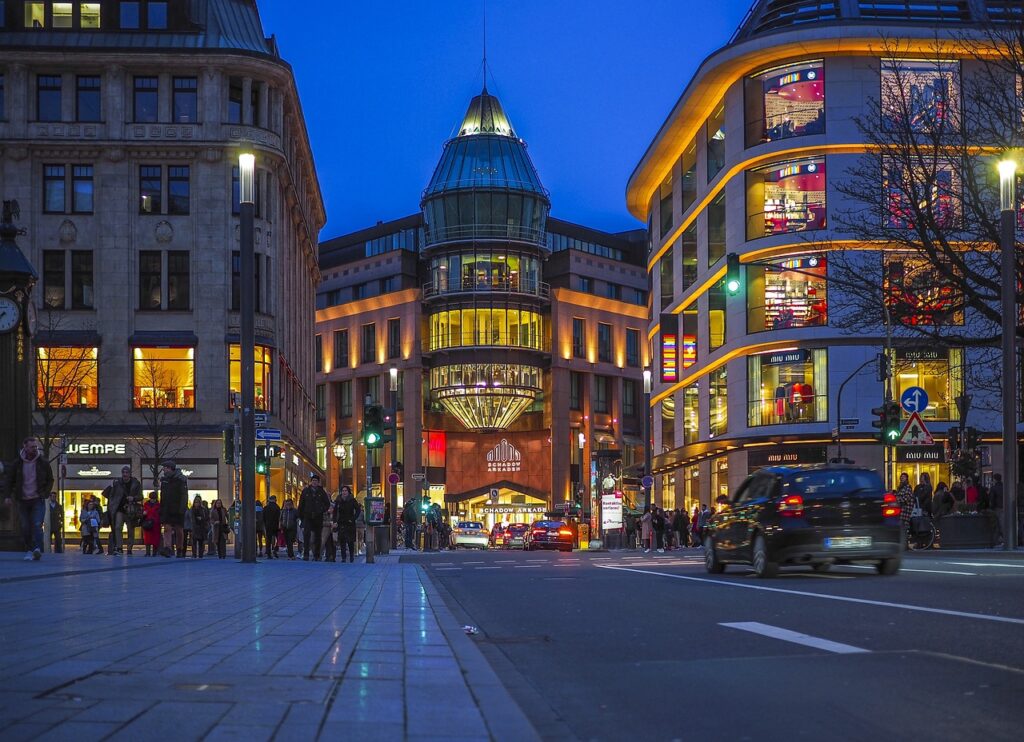
Avenue Jean Médecin (30 Avenue Jean Médecin, 06000 Nice) is the main avenue lined with shops and the Nice Étoile shopping center (Nice Étoile, 30 Avenue Jean Médecin, 06000 Nice — typical hours: shops 10:00–19:00; sometimes extended hours during sales). The boulevard is busy, well lit and the tram stops (Jean Médecin station) connect you to other parts of the city until late (schedules vary, with reduced frequency after 00:30). Department stores, restaurants and cinemas keep a reasonable evening life; walking here at night is generally safe thanks to steady pedestrian traffic and shopfront activity.
Cimiez and Quiet Residential Neighborhoods
The Cimiez neighborhood (164 Avenue des Arènes de Cimiez, 06000 Nice), higher up on the hills, is residential and known for its museums (Musée Matisse, 164 Avenue des Arènes de Cimiez — hours: 10:00–18:00 except Monday; adult ticket around €10) and peaceful gardens. At night the streets remain calm and safe; however, plan a well-lit route to public transport or taxis because some sections can be less brightly lit. The area is popular with families and visitors seeking a quieter atmosphere after 10pm.
Practical Tips for Enjoying Safer Neighborhoods
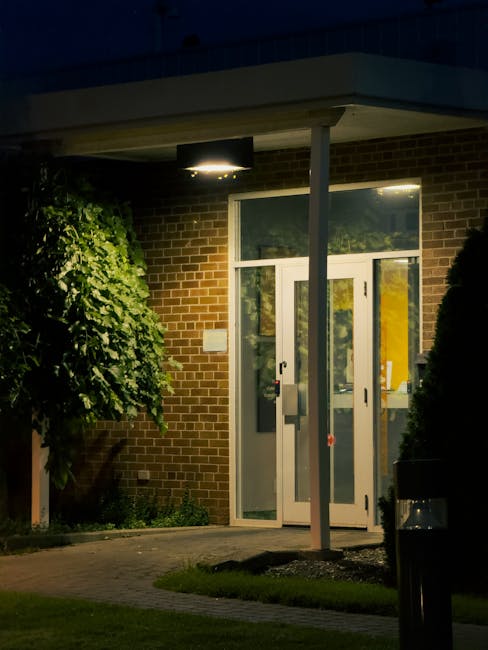
- Prefer well-lit, busy routes: the Promenade des Anglais, Avenue Jean Médecin and the Old Town (with caution) are good reference points.
- Plan your routes: note tram stops (Jean Médecin, Masséna, Garibaldi) and bus stops; check TCL schedules online (https://www.lignesdazur.com).
- Night transport: the tram generally runs until around midnight or later depending on the season; after 00:30, favor an official taxi or a rideshare. Indicative taxi fare from the center to the airport: €30–40 in daytime, sometimes €35–45 at night (prices vary with traffic and luggage).
Areas to Avoid or Where Extra Caution Is Advisable at Night — Common Pitfalls and Precautions
No city is free of spots where extra care is needed; in Nice, certain areas or behaviors increase the likelihood of minor incidents (pickpocketing, nuisance behavior, fights). Here’s a detailed list of places and behaviors to avoid, plus concrete tips and useful contact addresses.
The Old Town after Midnight: Charm with Occasional Excesses
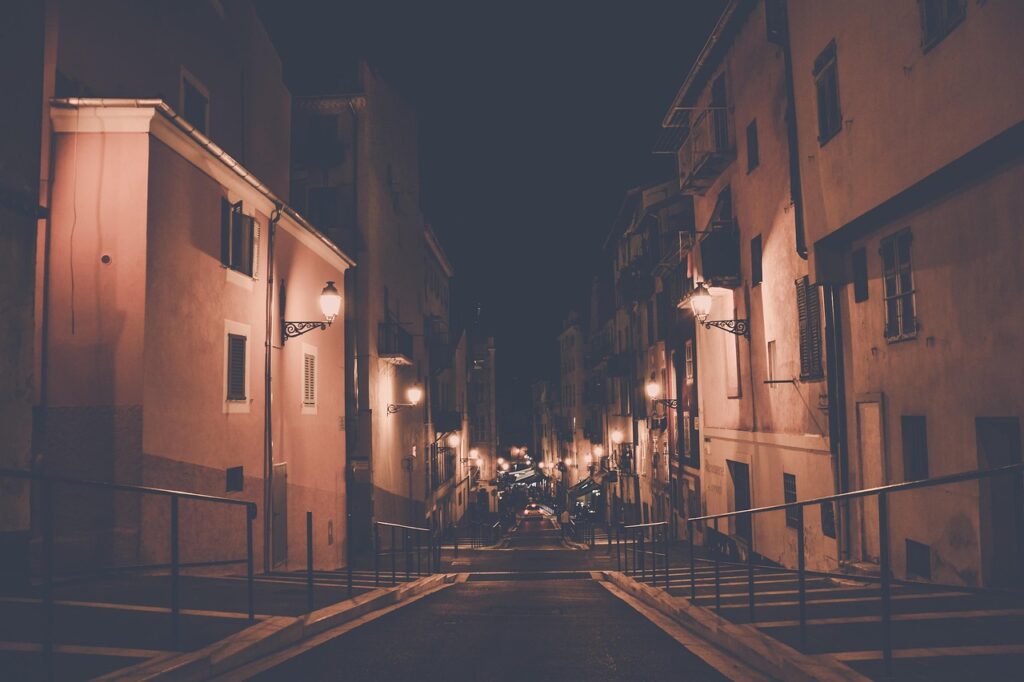
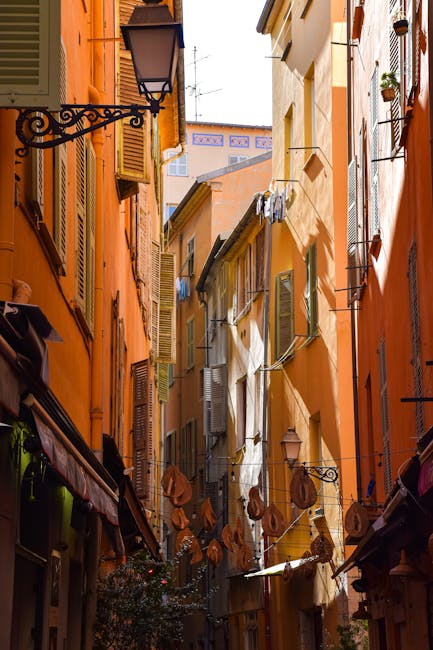
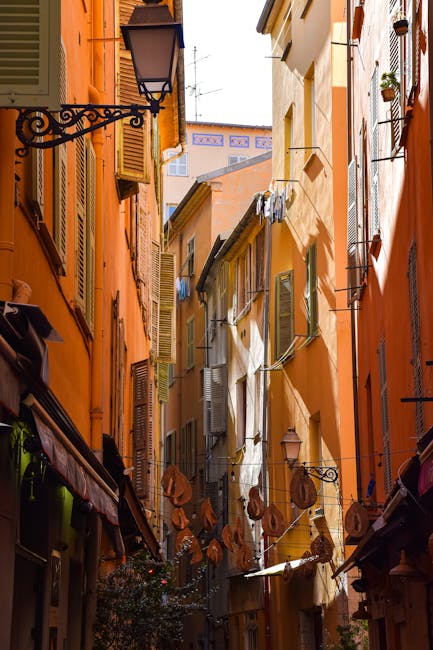
The Old Town (Old Town, 06300 Nice) is enchanting at night: narrow lanes, restaurants, bars and squares like Place Rossetti (Place Rossetti, 06300 Nice) deliver a unique atmosphere. However, popularity can sometimes bring rowdy crowds: loud gatherings, drinking in public, and pickpockets in tight alleys. Areas around rue Droite and rue St-François de Paule can get very crowded and less safe after 2:00am. Tips: avoid leaving your phone visible, use a wallet carried in front rather than a back pocket, and prefer bars with door staff (some venues post bouncers at the entrance).
Port Lympia and Port Areas Late at Night
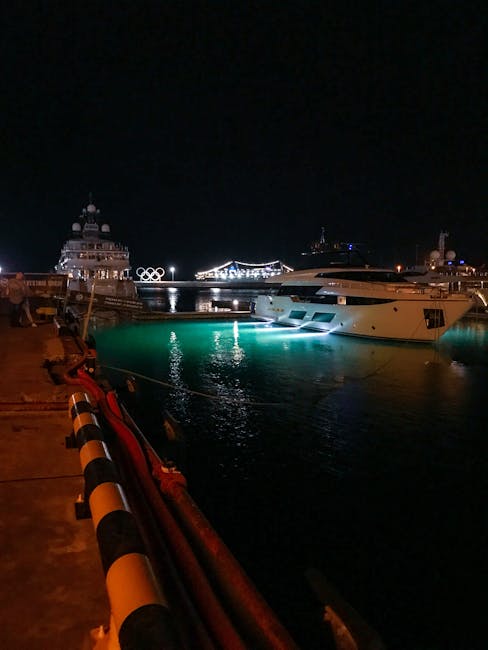
Port Lympia (Quai des Deux Emmanuel, 06300 Nice) buzzes in the evening with restaurants and yachts, but some stretches can empty out late and become isolated. Avoid poorly lit quays and warehouse areas after 23:00. Popular restaurants like La Réserve de Nice (1 Quai de la Douane, 06300 Nice — typical hours: 12:00–14:00, 19:00–23:00; à la carte €25–60) are safe, but stick to well-lit sections of the quay near busy bars to minimize risk.
Areas Around the Station: Gare de Nice-Ville
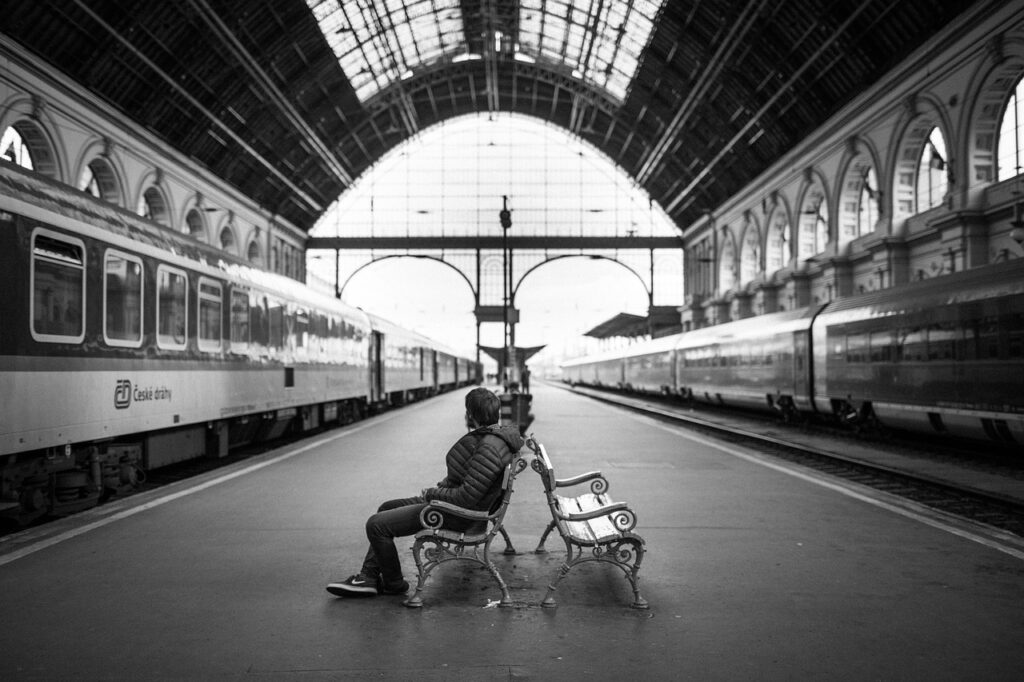
Gare de Nice-Ville (5 Avenue Thiers, 06000 Nice) is a key transport hub. While the main hall stays busy, the surrounding streets and some passages can attract people sleeping rough at night. Pickpockets often target travelers with luggage. Use secured areas inside the station, avoid displaying valuables, and take an official taxi from the rank outside the station for nighttime trips. Regional TER trains run on various schedules; check SNCF Connect for timetables and fares (TER Nice–Cannes ticket roughly €7–12 depending on time and booking).
Tips to Reduce Risk Day and Night
- Luggage and handbags: use a fully closed bag worn in front, or an anti-theft bag. Avoid flashing signs of wealth.
- Useful contacts and cards: Police Nationale — Commissariat Central de Police de Nice, 5 Avenue Durante, 06000 Nice — phone: +33 4 93 13 72 00; keep copies of your ID at your hotel.
- Favor illuminated main streets: even if a shortcut looks faster, safety beats a few minutes saved at night.
- In an emergency: numbers: 112 (European emergency), 17 (police), 15 (SAMU); also inform your travel insurance for repatriation or assistance.
Transport, Mobility and Secure Accommodation — How to Get Around and Sleep Soundly at Night
Getting around Nice at night and choosing safe lodging are key to a worry-free trip. This section outlines night transport options, indicative fares, and recommended accommodations and secure parking facilities.
Tram, Bus and Official Services
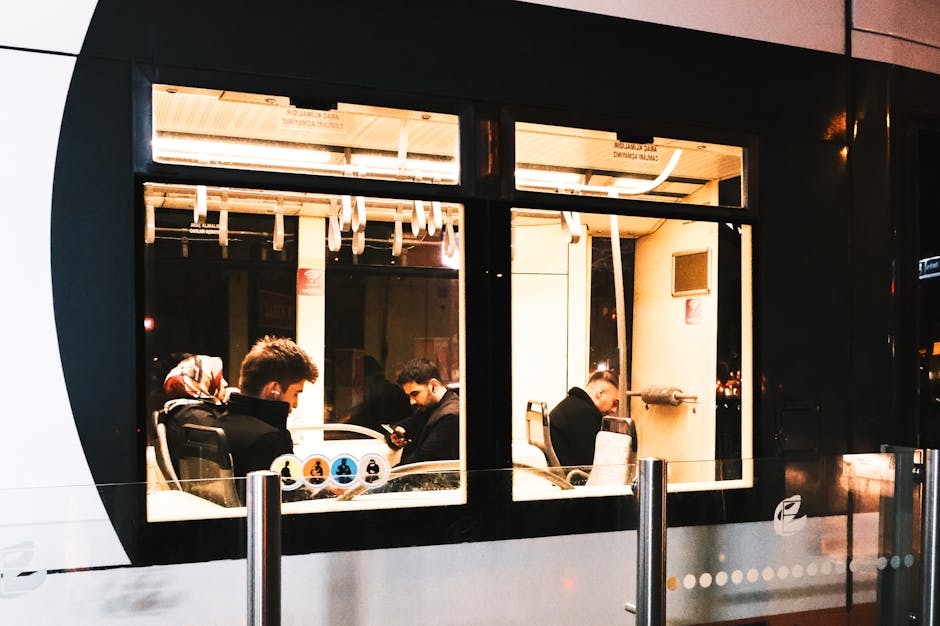
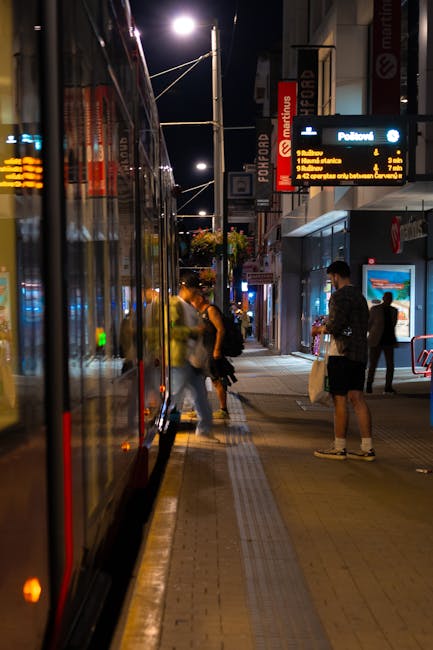
The Lignes d’Azur (TCL) network serves Nice with tram lines (T1, T2) and buses. Jean Médecin tram stop (Avenue Jean Médecin) is central and connects quickly to the station and the Promenade. Hours: on weekdays the tram usually runs from about 5:00 to 00:30, with extensions for special events; on Sundays frequency may be reduced. Single TCL ticket: around €1.50 (purchase at machines or via app), and a booklet of 10 tickets is often cheaper. Check timetables and live schedules at: https://www.lignesdazur.com.
Taxis and Rideshares
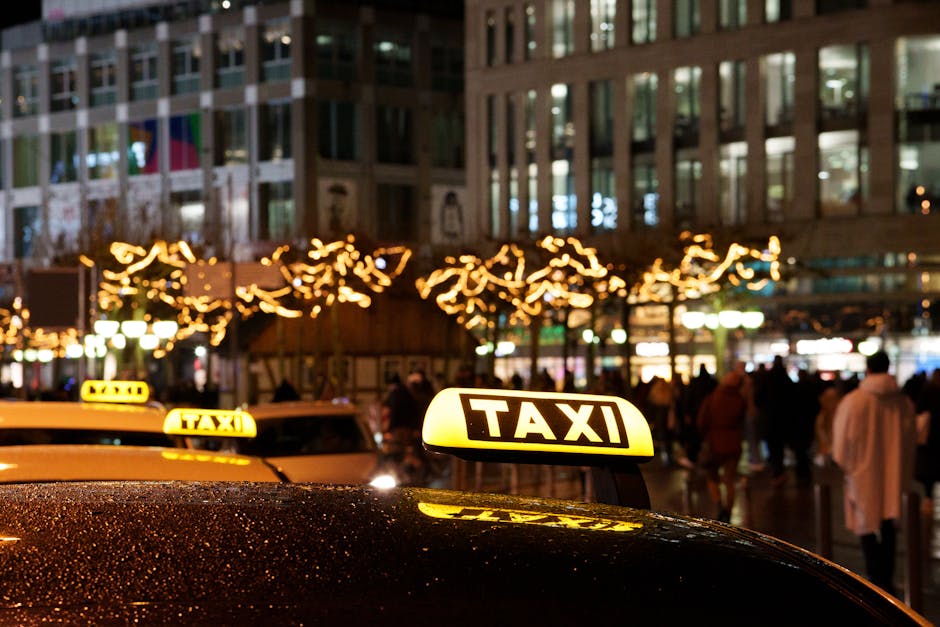
Official taxis display markings and use meters. Main taxi rank: Parvis de la Gare de Nice-Ville (5 Avenue Thiers). Indicative fares: base fare about €3.00–4.00 + per-kilometer rate around €1.05–1.20, with surcharges at night and on Sundays (variable coefficients). For extra safety, use official ranks or call a local company: Taxis Nice Côte d’Azur — central dispatch +33 4 93 13 00 00. Rideshares (Uber, Bolt) are also available; always check the vehicle and license plate before getting in.
Recommended Accommodations and Safe Addresses
Picking lodging in a well-served, busy area reduces nighttime worries. Safe and convenient examples:
- Hotel Le Negresco, 37 Promenade des Anglais, 06000 Nice — 24-hour reception, on-site security, rooms from around €350 per night depending on season.
- Hôtel Nice Excelsior, 5 Avenue Durante, 06000 Nice — close to the station and city center, rooms from around €90–140 per night; 24-hour reception.
- AC Hotel by Marriott Nice, 6 Rue Halevy, 06000 Nice — Carré d’Or neighborhood, near shops and tram, rooms from around €120 per night.
Behavior, Services and Local Resources to Use if an Incident Occurs
Beyond places, your behavior and access to local services play a major role in resolving an unpleasant situation quickly. Here are proactive practices and concrete contacts to know.
What to Do in Case of Theft, Assault or Loss?
If you’re a victim of theft or an assault: prioritize your personal safety. Move to a well-lit, busy place (hotel, café, police station). File a report at the nearest police station: Commissariat Central de Police de Nice, 5 Avenue Durante, 06000 Nice — open 24/7 to record incidents; phone: +33 4 93 13 72 00. For urgent medical issues call 15 (SAMU); for police emergencies dial 17 or 112. Keep evidence (photos, descriptions) and block bank cards using the international emergency block number (in France call 02 99 32 21 21 for bank cards or use your bank’s app).

Tourist Assistance and Practical Services
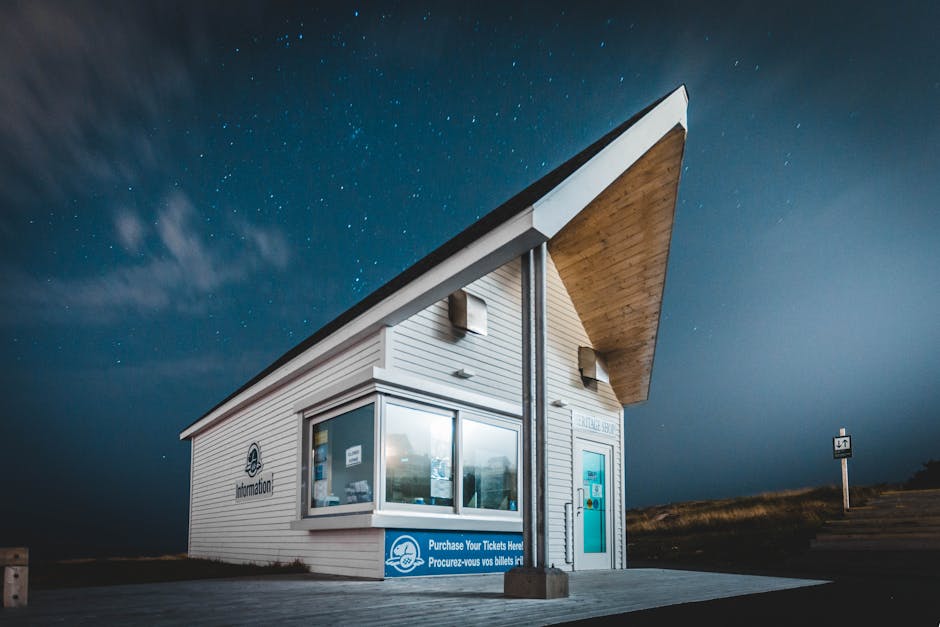
Tourist information offices such as the Office de Tourisme Métropolitain Nice Côte d’Azur (5 Quai des États-Unis, 06300 Nice — opening hours vary, often 9:00–19:00 in high season) can provide maps, advice and emergency contacts. On-call pharmacies are listed overnight via the town hall or on Google Maps; an example: Pharmacie Masséna, 10 Boulevard Jean Jaurès, 06000 Nice — duty pharmacy depending on rotation (check opening days and hours).
- Travel insurance: keep your insurer’s contact details handy for repatriation assistance or cash advances.
- Hospital numbers: Hôpital de l’Archet 2, 151 Route de Saint-Antoine de Ginestière, 06200 Nice — emergency department open 24/7, phone +33 4 92 03 30 00.
Conclusion: Move Around and Enjoy Nice at Night with Confidence
Nice remains a very pleasant destination after dark, with seafront walks, lively restaurants and historic neighborhoods. By following a few simple rules — choose well-lit routes, avoid showing valuables, use official transport at night and know local emergency numbers — you markedly reduce the risk and increase your chances of peaceful, memorable evenings. Recommended areas like the Promenade des Anglais, Avenue Jean Médecin and residential neighborhoods such as Cimiez offer a safe environment, while the Old Town and some zones around the port and station call for more vigilance, especially after midnight.
Plan your movements: identify your base (hotel, apartment), note nearby tram stops (Jean Médecin, Masséna, Garibaldi), and have your accommodation’s address and phone number handy. If an incident occurs, remember the Commissariat Central de Police de Nice (5 Avenue Durante) where you can file a report, and that medical and emergency services (SAMU, fire brigade) respond via numbers 15, 18 and 112. For night trips, favor official taxis (rank in front of Nice-Ville station) or rideshares while checking the license plate and driver’s name.
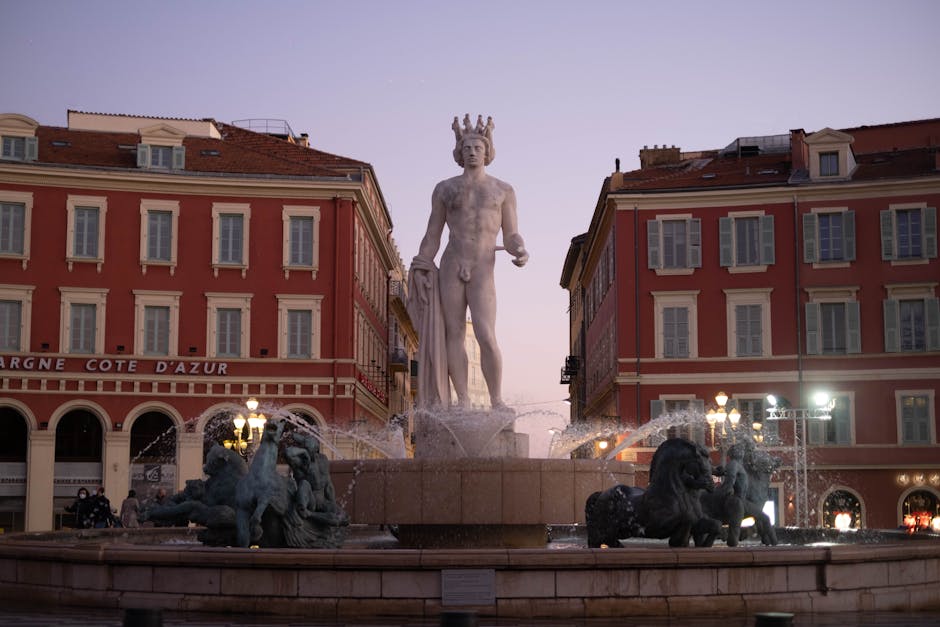
Finally, remember that safety often comes down to prevention: travel in groups when possible, tell someone your route, and avoid heavy drinking in isolated places. Combining common sense, preparation and the use of local resources (tourist office, police stations, transport apps) lets you enjoy all sides of Nice at night — from sunset on the Promenade des Anglais to the friendly terraces of the Old Town — while keeping risks to a minimum. Have a great stay and enjoy the Riviera nights!