





Introduction — Nice, seaside or city: pick the vibe that suits you
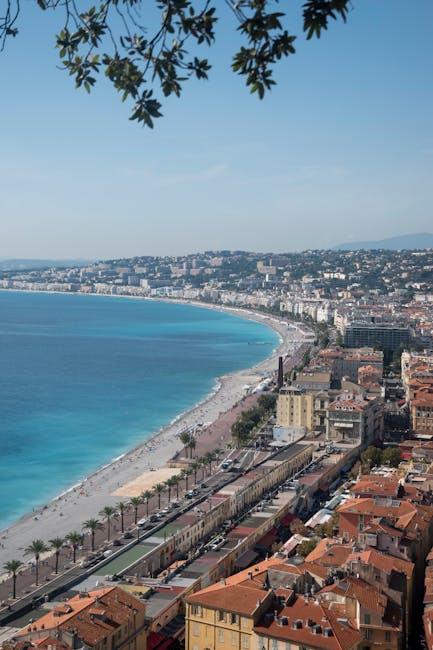
Nice is a city of subtle contrasts where the Mediterranean constantly chats with Provençal urban life. Picking where to stay in Nice often comes down to one basic question: do you want to sleep almost with your feet in the water, rocked by the sound of waves and sunrise over the Bay of Angels, or would you rather be in the middle of the buzz of narrow streets, markets and cafés in the old town? That choice will shape not only the pace of your trip but the sensory experience too: salt air and pine scents by the coast, versus aromas of olive oil, spices and socca in Old Nice.
This practical, immersive guide helps you weigh the pros and cons between Nice’s “seaside” side and its “city” side. It lists concrete places — hotels, restaurants, cultural spots — with full addresses, price ranges in euros, typical opening hours and local tips. The goal isn’t to favour one option but to give you solid information so you can decide based on your priorities: peacefulness, views, beach access, nightlife, starred restaurants, authentic markets, transport links and how easy it is to get to the hill towns behind Nice.
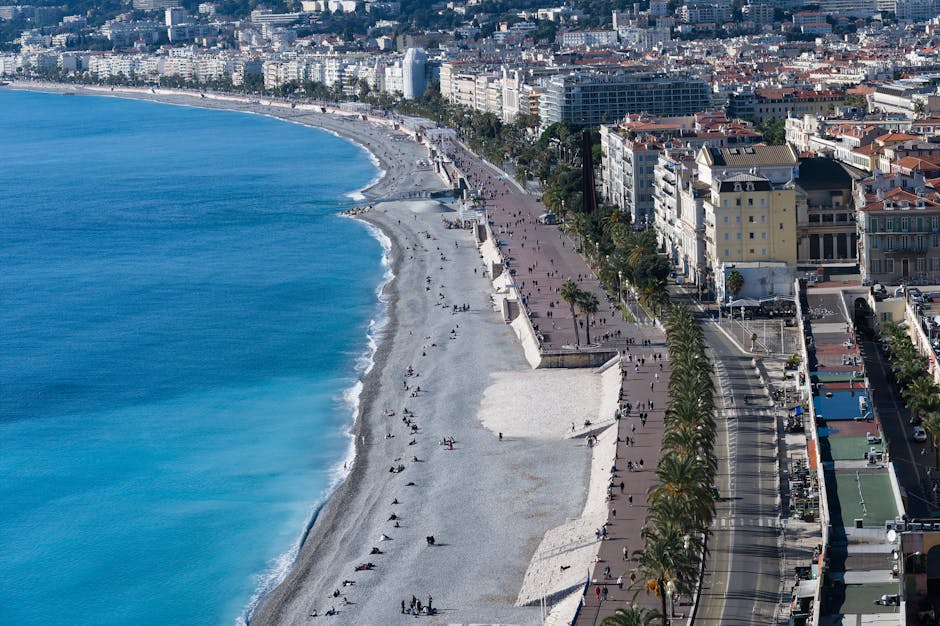
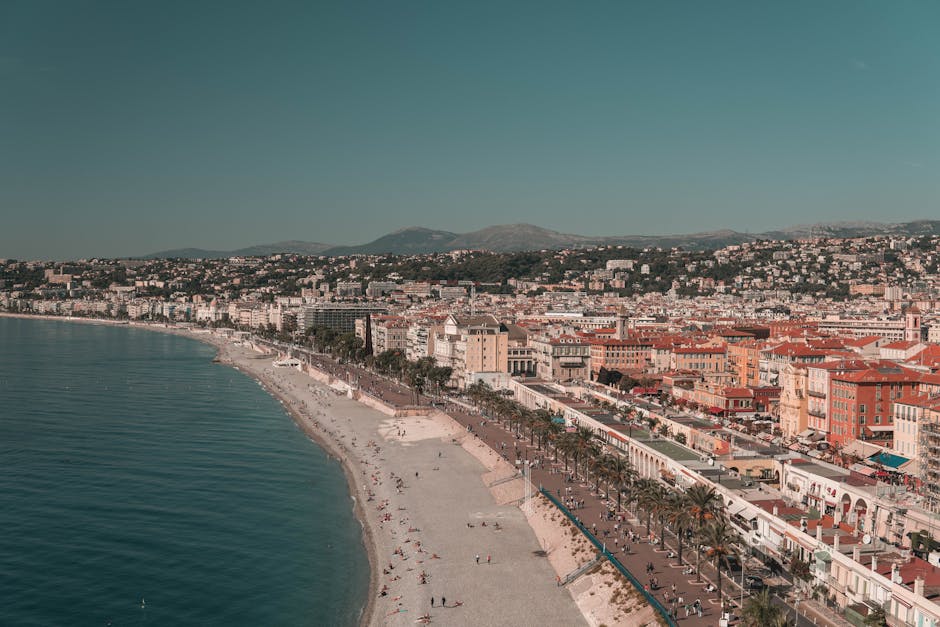
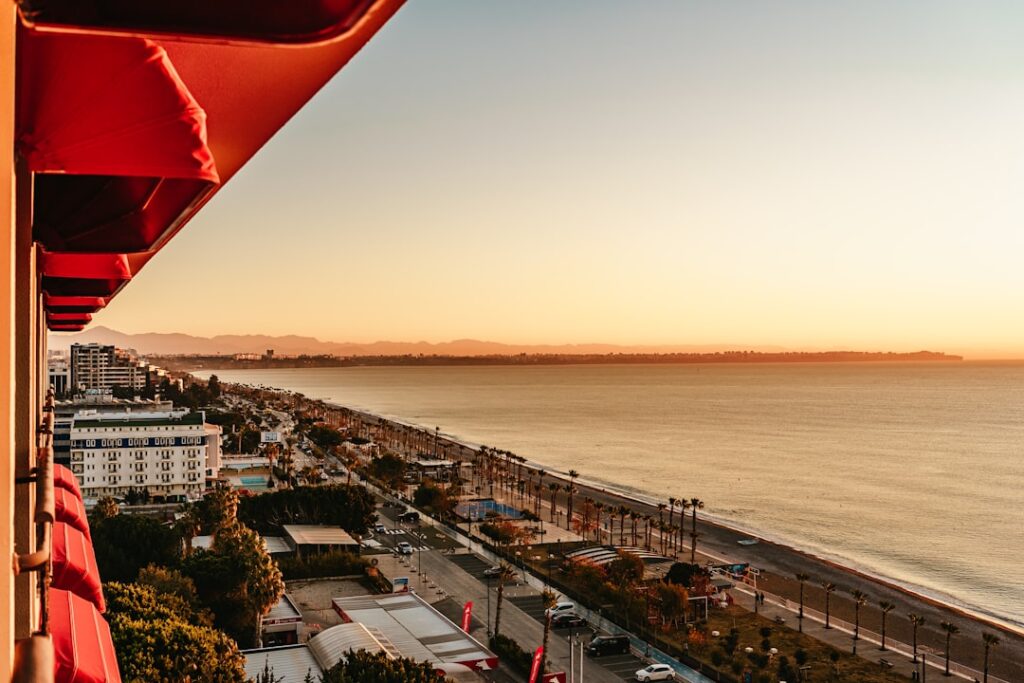
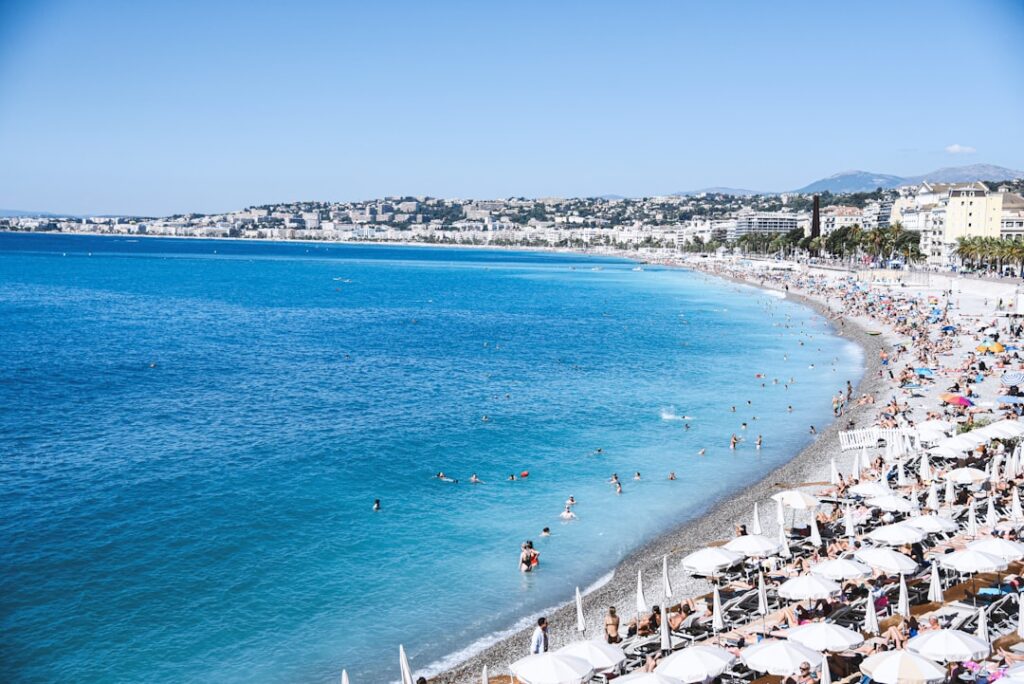
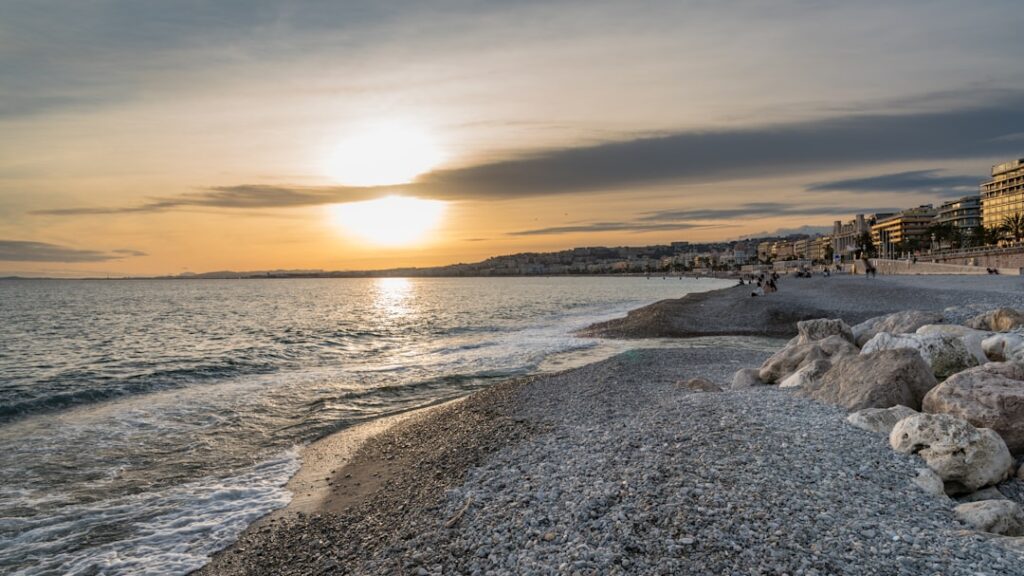
The “seaside” (Promenade des Anglais, waterfront, port) appeals to those who want to be able to hit the beach first thing in the morning. It’s where the grand palaces and design hotels with panoramic sea views sit, where you can cycle along the water and spend evenings watching the sunset. Hotels here tend to offer high-end amenities, terraces with pools or rooftop bars and immediate access to public and private beaches. On the flip side, these areas can be more touristy and noisier in high season, and accommodation prices are generally higher.
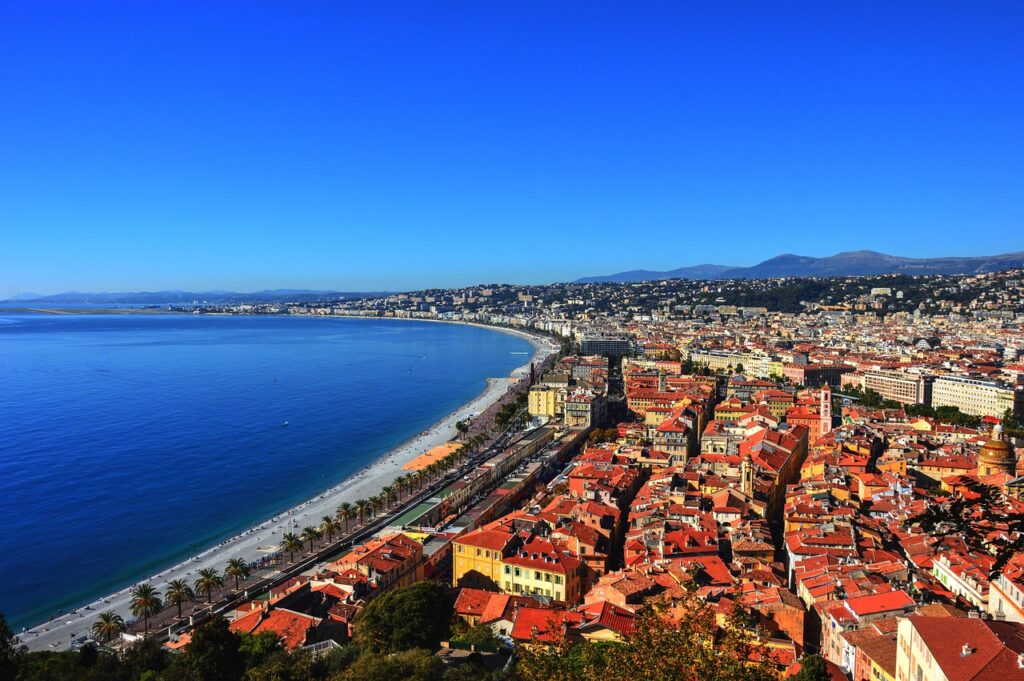
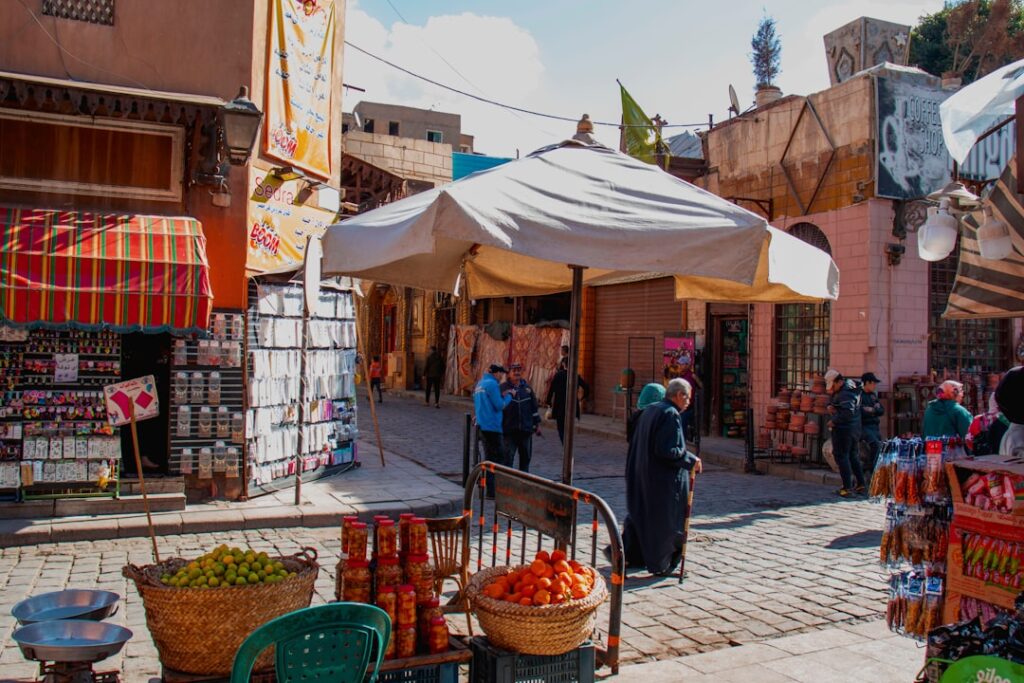
The “city” side (Old Nice, Carré d’Or, Masséna area, Cimiez) delivers a more intimate, cultural experience: cobbled lanes, colourful markets (Cours Saleya), tiny sunlit squares, bistros and artisan shops. Here you can walk straight to historic sites, dine late in a family-run trattoria, wander among flower stalls and reach renowned museums within minutes. Accommodation ranges from cozy guesthouses to small character hotels, often at more accessible prices than the grand seafront palaces.
This guide is organised by vibe and needs: luxury and views (seaside), authenticity and neighbourhood life (city), practical options for families, romantic getaways or business trips, plus concrete tips for moving between the two worlds. At the end you’ll find local advice (best times for the beach, markets, parking, public transport) to help you make the most of your stay whether you choose the sea breeze or the charm of Nice’s lanes.
Before diving into neighbourhoods and specific recommendations, two quick notes: listed prices are averages observed outside major events (Nice Carnival, Grand Prix, trade shows) and can vary with the season; opening hours are those generally posted at the time of writing but should be checked a few days before arrival. Now, let’s get into the atmospheres and concrete addresses in Nice to help you book the accommodation that matches your vision of the city.
Seaside — Promenade des Anglais, pebbled beaches and palaces (more than 250 words)
The seaside side is the postcard image of Nice: the Promenade des Anglais, pebble beaches, luxury hotels and waterfront walks. It’s the ideal choice if you want to start your day with a swim, cycle along the bay or simply enjoy terraces with sea views. Below are emblematic and practical addresses with full locations, price indications and typical opening times.
- Hôtel Negresco — 37 Promenade des Anglais, 06000 Nice. Historic five-star hotel turned living museum with a Belle Époque façade. Price: from €290/night low season, often €350–€700 in high season. Amenities: starred restaurant (Le Chantecler), bar, direct access to the promenade. 24-hour reception. Tip: request a sea-facing room for views over the Bay of Angels.
- Hyatt Regency Nice Palais de la Méditerranée — 13 Promenade des Anglais, 06000 Nice. Large modern hotel with an outdoor pool (usually open April to October). Price: €180–€450/night. Pool hours: roughly 08:00–20:00 depending on season. Fitness centre open 24/7 for guests. Very convenient for airport transfers (9 km).
- Le Méridien Nice — 1 Promenade des Anglais, 06000 Nice. Hotel with large sea-facing bay windows. Price: €150–€400/night. Breakfast buffet typically served 06:30–10:30 on weekdays, 07:00–11:00 on weekends. Rooftop terrace open weather permitting, a great spot for sunset aperitifs.
Advantages of staying by the sea:
- Immediate access to the beach and water activities (kayak, paddleboarding). Many private beach operators rent sunbeds and umbrellas with daily rates from €25 to €60 depending on location and season.
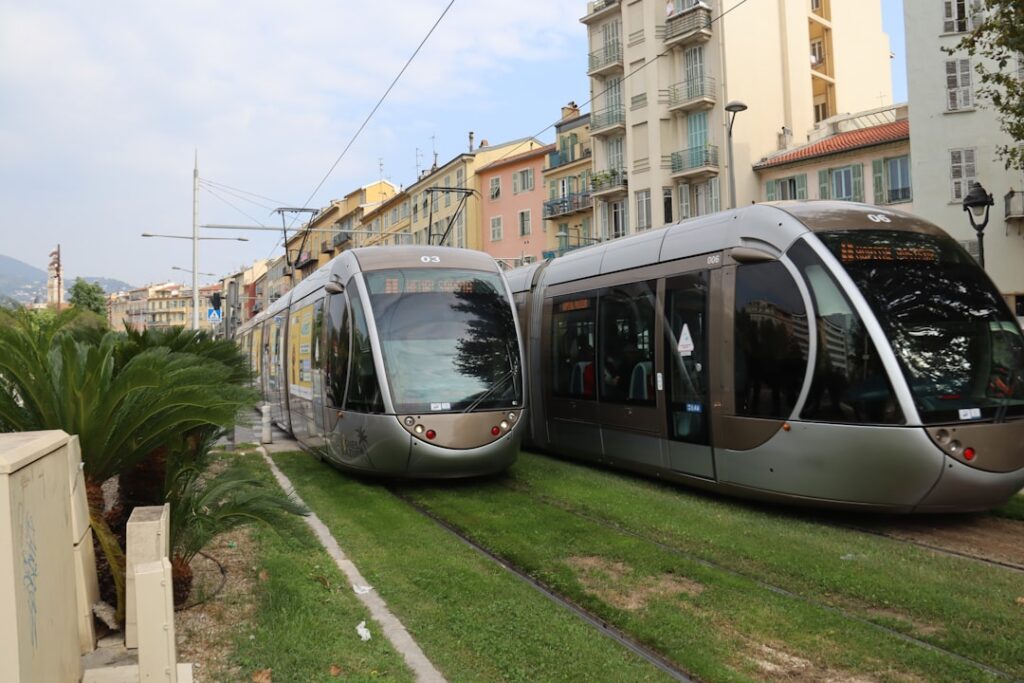
- Easy access to coastal buses and tram lines (line 2 runs east–west), plus plentiful taxis and ride-hailing services.
- An international atmosphere and lively promenade scene: rollerskating, cycling and street performances in season.
Things to consider as disadvantages:
- Higher accommodation prices, especially in summer or during events like the Nice Carnival.
- Less Provençal authenticity than the Old Town: more glitzy and sometimes noisier at night.
Precise local tips:
- To avoid crowds, stroll the Promenade des Anglais early in the morning between 06:30 and 09:30 — the light is at its best and the air is cooler.
- If you stay at the Negresco, ask to tour the art collection and book dinner at Le Chantecler in advance (tasting menus often start around €150/person).
- If your budget is tight but you want to be by the water, look for apartments or guest rooms in secondary buildings along the Promenade — prices can start from €80–€120/night off-season.
City side — Old Nice, Cours Saleya and Carré d’Or: dive into local life (more than 250 words)
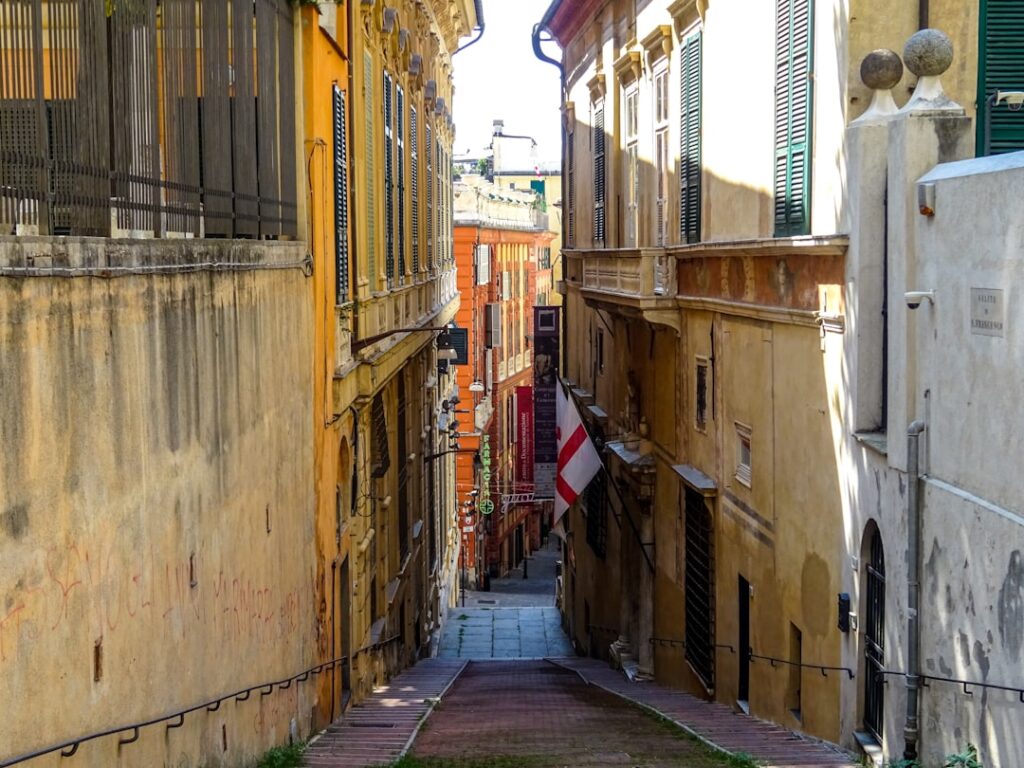
The city side is for travellers who want to sink into Nice’s soul: wandering with no fixed plan, cafés, small squares, trattorias and markets. Cours Saleya and Old Nice are a kaleidoscope of scents and colours — flower stalls, fruit and herb stands, hot socca and a maze of medieval alleys. The vibe here is more intimate and varied than the seafront, and most museums and landmarks are within walking distance.
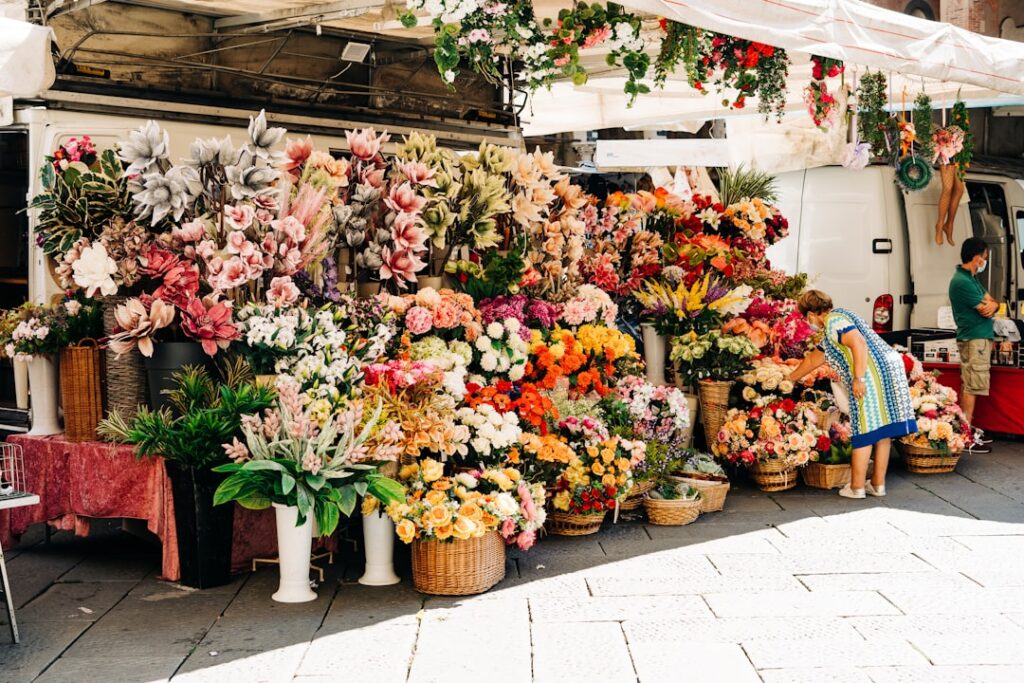
- Cours Saleya (Flower Market) — Cours Saleya, 06300 Nice. Daily market: 06:00–17:00 (hours vary by season). On Mondays it turns into an antiques market (09:00–18:00). Tip: arrive early for the freshest flowers and try socca at stands around 10:00–11:00. Socca portions: about €3–€6.
- Place Rossetti — Place Rossetti, 06300 Nice. Heart of Old Nice, sunny in the late afternoon, home to restaurants and Fenocchio gelateria (Address: 2 Place Rossetti, 06300 Nice). Fenocchio serves artisanal ice cream; scoops priced around €2.50–€3.50 depending on flavour.
- Musée d’Art Moderne et d’Art Contemporain (MAMAC) — Place Yves Klein, 06000 Nice. Usually open 10:00–18:00, sometimes closed Tuesdays. Admission: around €10–€12 full price, reduced rates available.
Typical city-side accommodation examples:
- Hôtel Rossetti — 2 Rue Sainte-Réparate, 06300 Nice. Boutique hotel in the heart of Old Nice, refined style, price: €110–€220/night depending on season. Breakfast often served 07:30–10:30.
- Hôtel Beau Rivage (Old Nice) — 6 Rue Saint-François de Paule, 06300 Nice. Small property with family rooms available, price: €90–€180/night.
Advantages of the city side:
- Immediate access to local restaurants, bistros and wine bars where people dine late.
- Close to museums (MAMAC, Musée Masséna, Musée Matisse in Cimiez) and theatre — perfect for exploring on foot.
- Generally more affordable accommodation with more character (charming hotels, guesthouses).
Drawbacks:
- Further from the main beaches if you want an immediate seaside immersion (expect 15–25 minutes on foot to the Promenade des Anglais).
- Pedestrian streets can get noisy in the evenings, especially near summer dining spots.
Local tips:
- Don’t miss trying socca (chickpea pancake) at Chez Pipo — 13 Rue Bavastro, 06300 Nice. Hours: often 11:00–22:30. Price: €3–€6 per portion. Go early in the service to avoid lines.
- Visit the Musée Matisse — 164 Avenue des Arènes de Cimiez, 06000 Nice. Typical opening hours: 10:00–18:00 (closures vary; check seasonally). Admission: about €8–€10 full price.
- For an intimate evening, book a table at Le Bistrot d’Antoine — 27 Rue de la Préfecture, 06300 Nice (usually open 12:00–14:00 and 19:00–22:30). Menu prices range roughly €25–€50 depending on dishes and wine.
Port and Carré d’Or — between a chic marina and shopping streets (more than 250 words)
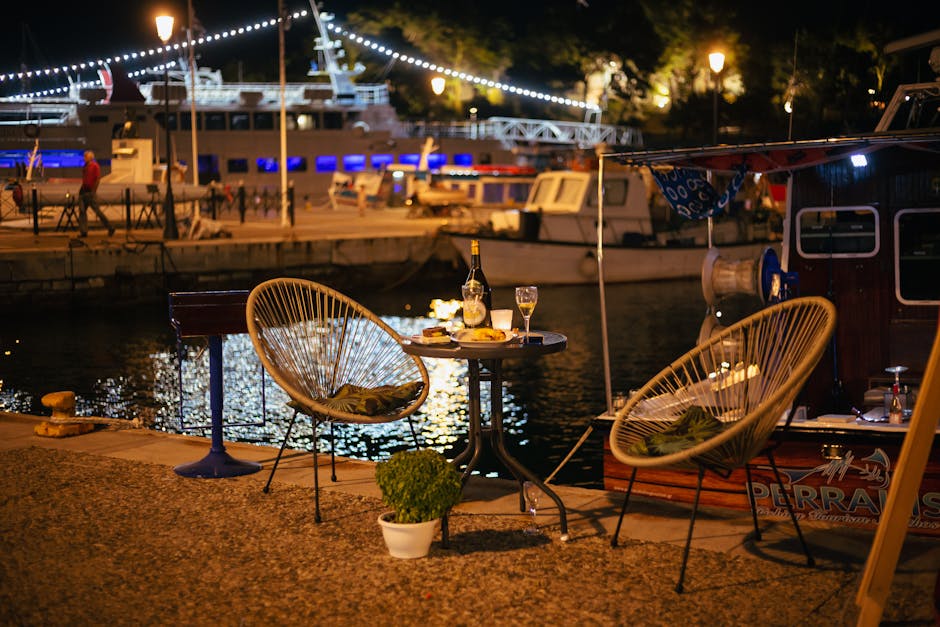
The Port Lympia and Carré d’Or area combines two atmospheres: the lively marina with its yachts and seafood restaurants on one side, and the Carré d’Or — an elegant shopping and nightlife district — on the other. It’s a great option if you want to be close to the water but in a more local, trendy setting than the Promenade des Anglais.
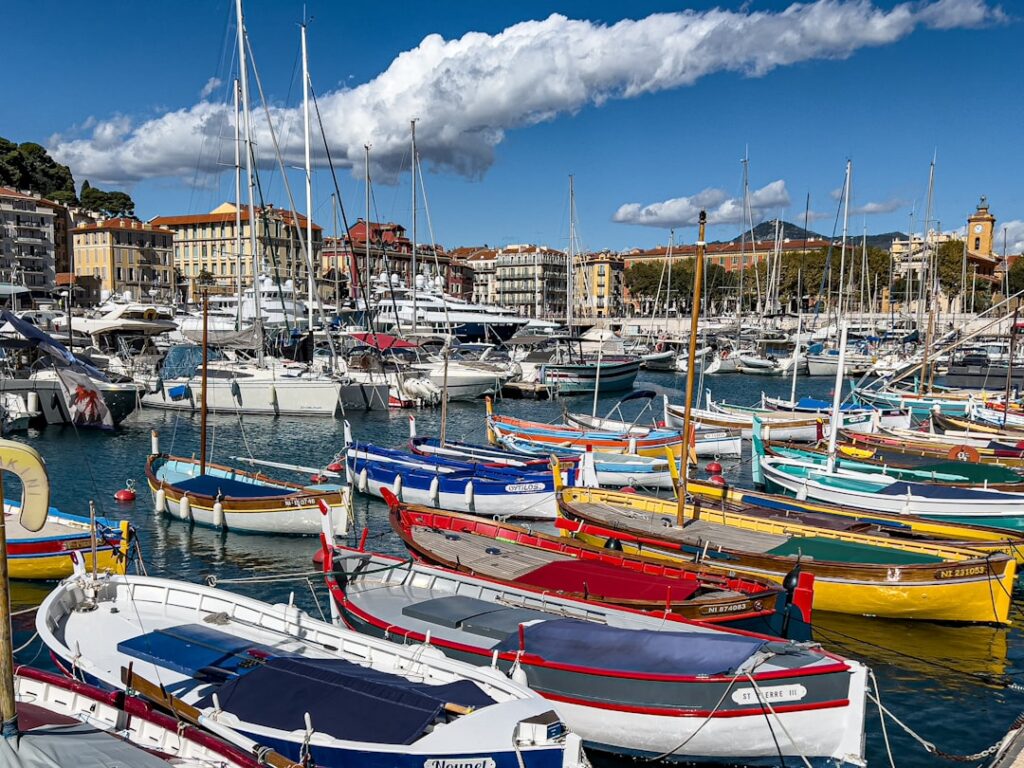
- Port Lympia — Quai des Docks / Quai Lunel, 06300 Nice. Nice’s main marina, lively in the evenings with oyster bars and seafood restaurants. Examples: La Petite Maison (11 Rue du Collet? See note), but many traditional addresses line the quays. Fish dish prices: €18–€40.
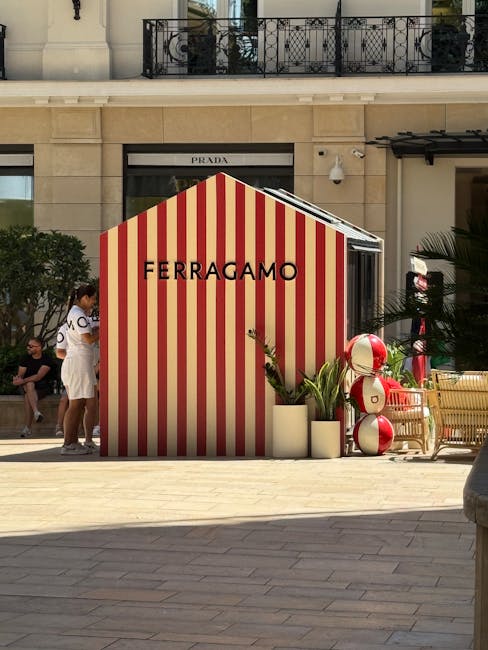
- Carré d’Or — Area around Avenue Jean Médecin and Place Masséna, 06000 Nice. Shops, galleries, restaurants, cafés and nightlife. Good spot for shopping (Galeries Lafayette, designer boutiques).
Recommended accommodation:
- Hôtel West End — 21 Quai des États-Unis, 06300 Nice. Historic hotel with terraces, some featuring rooftop pools. Price: €140–€320/night. Located between the Promenade and the centre, it blends beach access and shopping convenience.
- Hôtel Nice Riviera — 6 Rue de France, 06000 Nice. Small modern hotel near the port, price: €95–€200/night.
Highlights of the area:
- Ideal mix of sea access (Port) and commercial life (Carré d’Or).
- Close to transport: tram line 1 (Avenue Jean Médecin) to the airport or train stations, and many bus stops.
- A more local evening atmosphere around the quays, with bars and seafood restaurants open late.
Practical tips:
- For a sunset stroll, walk along the port quays out to the Pointe du Paillon; the evening lighting is very pleasant after 20:00 in summer.
- If you arrive by boat, Nice Marina (Port Lympia) makes for an easy stopover — book a berth in advance in high season.
- If you want the best of beach and city, consider a hotel in this area: you’ll be a short walk from the Promenade without paying the highest seafront rates.
Cimiez and the hills — calm, museums and gardens (more than 250 words)
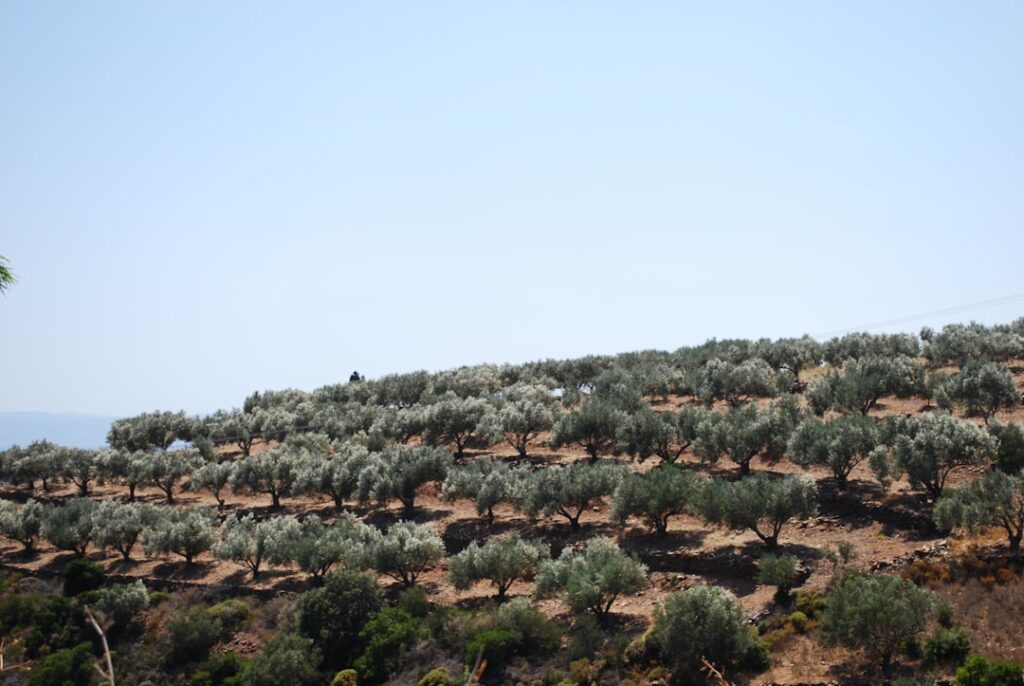
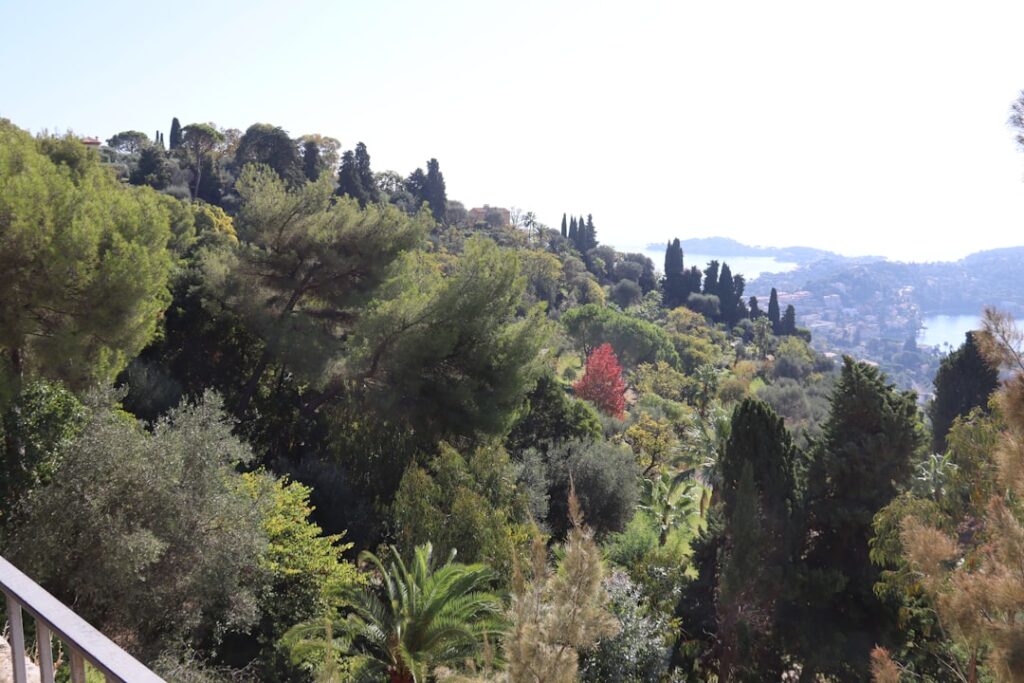
If your priority is peace, gardens and proximity to museums, the Cimiez neighbourhood up on Nice’s heights is an excellent choice. Cimiez contrasts sharply with the hustle of the centre: Belle Époque villas, olive groves, tranquil gardens and modern art museums. This area suits travellers looking for relaxation and culture, often with panoramic views over the city and the sea.
- Musée Matisse — 164 Avenue des Arènes de Cimiez, 06000 Nice. Permanent collection dedicated to Henri Matisse. Typical hours: 10:00–18:00, closed Mondays depending on season. Admission: around €8–€10.
- Monastery of Cimiez and gardens — 160 Avenue des Arènes de Cimiez, 06000 Nice. Monastic complex, Mediterranean gardens, a peaceful setting for walks. Openings depend on religious activities; gardens usually accessible 09:00–18:00.
- Nice-Cimiez Archaeology Museum — 160 Avenue des Arènes de Cimiez, 06000 Nice. Roman remains and panoramic views over the city.
Typical Cimiez accommodations:
- Hôtel La Pérouse — 11 Boulevard Exœ́dro, 06300 Nice (perched above the bay, walking access to Old Nice). Price: €200–€450/night. Note: some hillside hotels offer shuttles or pedestrian routes down to the centre.
- Guesthouses and B&Bs — many family-run options and B&Bs in quiet Cimiez streets, often €80–€160/night depending on comfort and whether breakfast is included.
Advantages:
- Restful atmosphere, ideal for families, older travellers or anyone seeking to recharge.
- Close to museums (Matisse, Chagall) and Roman ruins — cultural experiences away from the busiest tourist crowds.
Disadvantages:
- Further from the beach (allow 20–30 minutes by bus or taxi), less suited to stays focused solely on beach time.
- Less nightlife on site; most restaurants close earlier or require a trip down to the centre.
Local tips:
- Visit Cimiez in the morning when the light hits the olive trees and it’s pleasantly cool for walking.
- Pair a visit to the Musée Matisse with lunch at a small local bistro, then walk down to the historic centre for the late afternoon.
- Transport: bus lines 7 and 15 serve Cimiez from the centre; check timetables (buses often run 06:00–22:00 depending on the line).
Conclusion — which side to choose? Practical tips and scenarios based on what you want (at least 200 words)
Choosing between seaside Nice and city-side Nice comes down to your priorities: do you want a trip centred on the sea, views and luxury, or would you rather immerse yourself in culture, food and authenticity? To sum up:
- Go for the seaside (Promenade des Anglais, hotels like Hôtel Negresco — 37 Promenade des Anglais) if you want to be right on the beach, enjoy palaces and an international vibe. Suggested budget: €180–€700/night depending on comfort level and season.
- Pick the city side (Old Nice, Cours Saleya, Carré d’Or) if you prefer wandering narrow streets, eating at local restaurants like Le Bistrot d’Antoine — 27 Rue de la Préfecture — and visiting markets. Budget here is often more moderate: €80–€220/night.
- For a smart compromise, look at hotels between the Port and Carré d’Or (e.g. Hôtel West End — 21 Quai des États-Unis): easy beach access, a local feel and moderate prices.
- If you want calm and culture, prioritise Cimiez (Musée Matisse, gardens) and book a room in a lovely guesthouse — perfect for relaxing stays and art lovers.
Final practical tips:
- Book early for high season (June–August) and during major events (Carnival, trade fairs); prices can double and availability becomes scarce.
- Always check museum and restaurant hours a few days before arrival; many adjust opening times seasonally.
- Use the tram and local buses to move quickly between sea and city; tram line 2 runs along much of the seafront and line 1 crosses the centre.
- If you rent a car, watch for paid parking zones and rules in the city centre — prefer public car parks (e.g. Parking Masséna, 16 Rue Georges V, 06000 Nice) to avoid fines and stress. Public parking rates: €1.5–€3/hour depending on location.
In short, Nice reads on multiple levels: the sparkling seaside and the lively historic centre. Your choice of accommodation will shape daily life on your trip — breakfasts with a sea view or café mornings in a medieval lane, early swims or museum-filled afternoons. Whether you pick the seafront, Old Nice, the Port or Cimiez, remember nothing is fixed: Nice is compact and easy to get around on foot or by public transport, so you can enjoy both worlds during the same stay. Have a great trip and soak up the relaxed Nice way of life.