





Introduction: The Matisse Museum in Nice — a deep dive into an artistic landmark
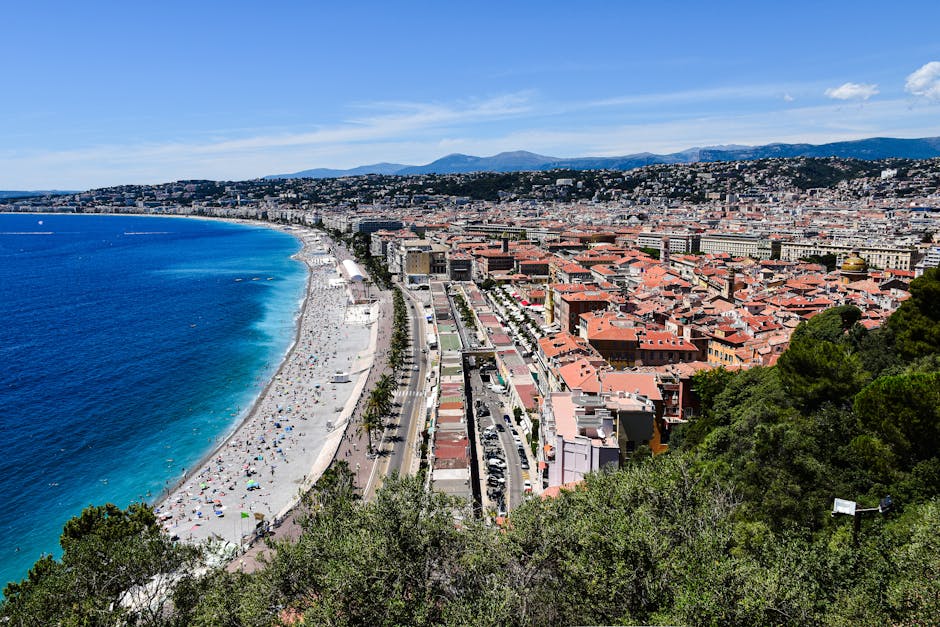
The Matisse Museum in Nice (Musée Matisse, 164 Avenue des Arènes de Cimiez, 06000 Nice, France) is a must-see for anyone wanting to understand Henri Matisse’s work within the bright context of the French Riviera. Housed in a handsome 17th-century Genoese villa in the historic Cimiez district, the museum showcases an outstanding collection spanning Matisse’s long career: paintings, drawings, sculptures, prints — and above all his famous paper cut-outs. Perched on the heights of Nice, the site not only offers an artistic experience but also sweeping views over the city and the Mediterranean that so inspired the artist.
This introduction will get you ready for a rich, well-structured visit. You’ll find practical details — exact address, opening hours, prices in euros, accessibility — immersive descriptions of rooms and works, plus local tips to make the most of your time. The Matisse Museum is more than an exhibition space: at every turn you can sense the relationship between light, color and form that defined Matisse’s practice. The displays are arranged both chronologically and thematically to trace the evolution of an artist who reinvented modern painting, addressing portraiture, the nude, decorative compositions and his vibrant cut-outs.
Visitors can expect varied routes: intimate rooms dominated by drawings and studies that reveal the artist’s hand; spaces devoted to large canvases where color converses with structure; and traces of Matisse’s life in Nice, including photographs and archives that place the work in its local context. Beyond the permanent collection, the museum frequently hosts temporary exhibitions, lectures and hands-on workshops for both children and adults.
This guide will walk you through the museum step by step: how to get there, what to see, how to interpret the works (without jargon), which services are available (ticketing, audio guides, guided tours by reservation), and practical tips (best times to avoid crowds, where to grab coffee or lunch nearby, and how to combine your visit with other notable sites in Cimiez). Prepare for a contemplative experience in which color becomes language and each room tells a key chapter in Henri Matisse’s artistic journey.
Overview and practical information
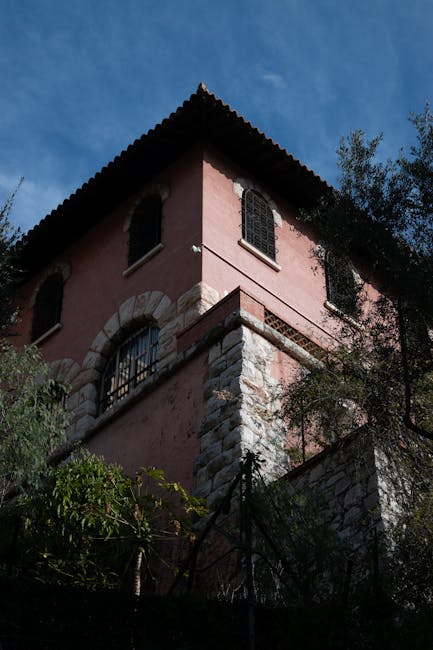
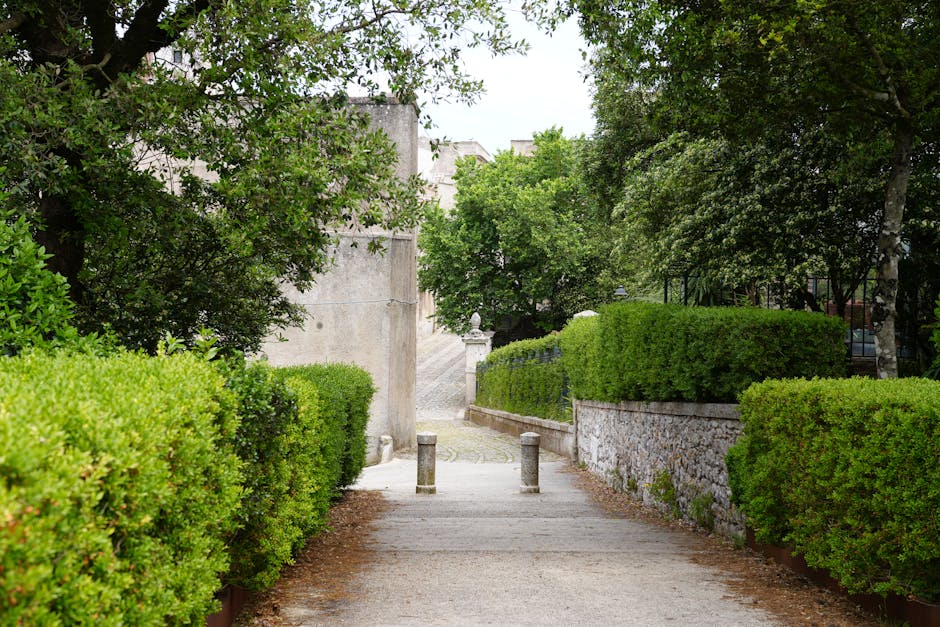
The Matisse Museum in Nice is located at 164 Avenue des Arènes de Cimiez, 06000 Nice. Phone: +33 (0)4 92 03 63 50. Official site for bookings and info: https://www.musee-matisse-nice.org. The building occupies a Genoese-style villa set within a park, so you can combine your cultural visit with a pleasant stroll in the greenery.
Opening hours (subject to seasonal changes — check the website before you go):
- Tuesday to Sunday: 10:00 – 18:00 (last admission usually around 17:15).
- Closed: Mondays, January 1, May 1 and December 25.
- Summer hours: in summer, extended evening openings may be scheduled in July–August — consult the museum calendar.
Admission prices (indicative; check online for exact rates and discounts):
- Full price: €10.00.
- Reduced price: €6.00 (students, seniors with ID — conditions vary).
- Free entry: under-18s and EU residents up to 26 years old (with ID). Free admission also applies to disabled visitors and a companion.
- Audio guide: around €4.00 (available in French, English and sometimes other languages).
- Guided tours: guided visits for groups by reservation — indicative prices €60–€80 per group, varying with duration and service; contact +33 (0)4 92 03 63 50 or email via the site for details.
Accessibility and transport:
- The museum is reachable by bus from the city center: lines 15 and 17 serve the Cimiez area (stops: “Musée Matisse/Cimiez” or “Arènes de Cimiez” depending on the line).
- From Nice-Ville station, take Tram Line 1 to Jean Médecin, then bus 15/17. Journey time is roughly 20–30 minutes depending on traffic.
- Parking: a public car park is nearby, but spaces are limited in high season — public transport is recommended.
- The museum has partial accessibility for visitors with reduced mobility; contact the museum in advance for specific services (elevator, loaner wheelchairs, etc.).
Visit route: masterpieces, rooms and themes you shouldn’t miss
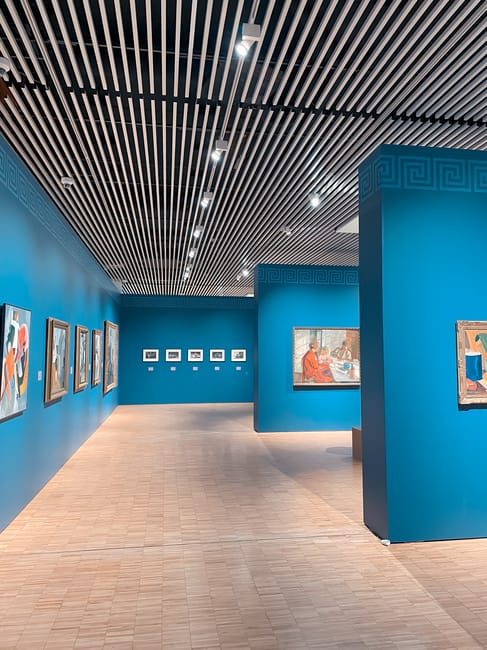
The museum tour unfolds over several levels, beginning with drawings and studies and moving toward large color compositions and the cut-outs. The layout is designed to convey both the chronological and formal development of the artist. Here are the key stops and rooms you should make time for:
- The drawings and studies: On the ground floor, a significant group of drawings reveals Matisse’s preparatory work. These pages, often pared down to a few decisive strokes, show his mastery of line and his concern for movement. Sketchbooks and studies of nudes demonstrate how he sought the essence of gesture before applying color.
- Portraits and self-portraits: Several rooms display portraits — both commissioned and personal — that balance psychological subtlety with chromatic daring. Notice how Matisse defines a face by color more than by anatomical detail.
- Large color canvases: On the upper floor, the large compositions shape the space. Here you’ll find works where color becomes volume and material: flat areas, contrasts, harmonies and dissonances that are Matisse’s signature.
- The paper cut-outs (cut-outs): A must-see section: the iconic colorful cut-outs created at the end of his life, where the sheet itself is transformed into an autonomous pictorial form. These works are often displayed against neutral backgrounds to amplify their visual impact.
- Sculptures: Fewer in number but essential, the sculptures reveal Matisse’s sense of volume and the tension between surface and form.
Tips for appreciating the works:
- Start with the drawings: they’re the key to understanding his creative path.
- Don’t hunt for a single “masterpiece”: the museum’s strength is the dialogue between different media and periods.
- Use the audio guide (€4.00) to put the pieces into context if you’re short on time. The commentary helps you grasp references, techniques and Mediterranean influences.
Works and techniques: understanding Matisse beyond the visible
Henri Matisse (1869–1954) explored a wide technical range: oil painting, charcoal, pastel, printmaking, sculpture and, ultimately, paper cut-outs. The Matisse Museum in Nice gives a comprehensive view of these practices. The main interest is to understand not just the formal variety but the intention behind each medium. For instance, the drawings reveal a reduction of motif to essentials, while the paintings develop chromatic harmonies that converse with Mediterranean light. The paper cut-outs, born of a physical constraint (ill health that limited his ability to paint), became the culmination of a search for synthesis between line and color.
Explanatory panels in each room describe techniques (pigments, supports, cutting and collage methods), but here are a few points to keep in mind:
- Color as structure: For Matisse, color is not merely decorative; it structures the picture plane and shapes depth. Notice how a block of color can replace traditional modeling.
- Relationship to the body: Matisse’s nudes are exercises in synthesis and abstraction of bodily movement. Lines often carry more weight than anatomy.
- Collage and cut-outs: The cut-outs function like paintings without brushes: color is literally a cut form placed into space.
- Repetition and variation: Finding a motif, repeating it, altering it — this is a frequent working method of Matisse, visible in studies and variations on the same theme.
To go further, don’t miss the documentation available at the museum shop: exhibition catalogues, richly illustrated monographs and high-quality reproductions. These resources are ideal if you want to extend your visit and deepen your reading of the works — especially useful for artists, students or teachers.
On-site experience: services, workshops and nearby combinations
The museum offers a range of services designed to enhance the visitor experience: ticketing, audio guides, guided tours by reservation, a shop and, occasionally, thematic temporary exhibitions. Here’s a practical overview:
- Tickets and reservations: you can buy tickets on site, but in high season it’s recommended to book online via the official site (https://www.musee-matisse-nice.org) to avoid queues.
- Guided tours: commentary-led tours run regularly and private tours can be booked for groups. Contact the museum at +33 (0)4 92 03 63 50 to find out availability and prices. Themed guided tours (cut-outs, Matisse and Nice) typically last 60–90 minutes.
- Educational workshops: the museum runs workshops for kids and adults (painting, drawing, cut-outs) — perfect for a family outing. Prices vary, often around €10–€15 per participant for 1–2 hour sessions. Booking is recommended.
- Shop: located at the exit, the museum shop offers catalogues, postcards, reproductions and related objects. Prices: postcards €1–€2, catalogues €20–€50 depending on edition.
Cultural pairings and walks:
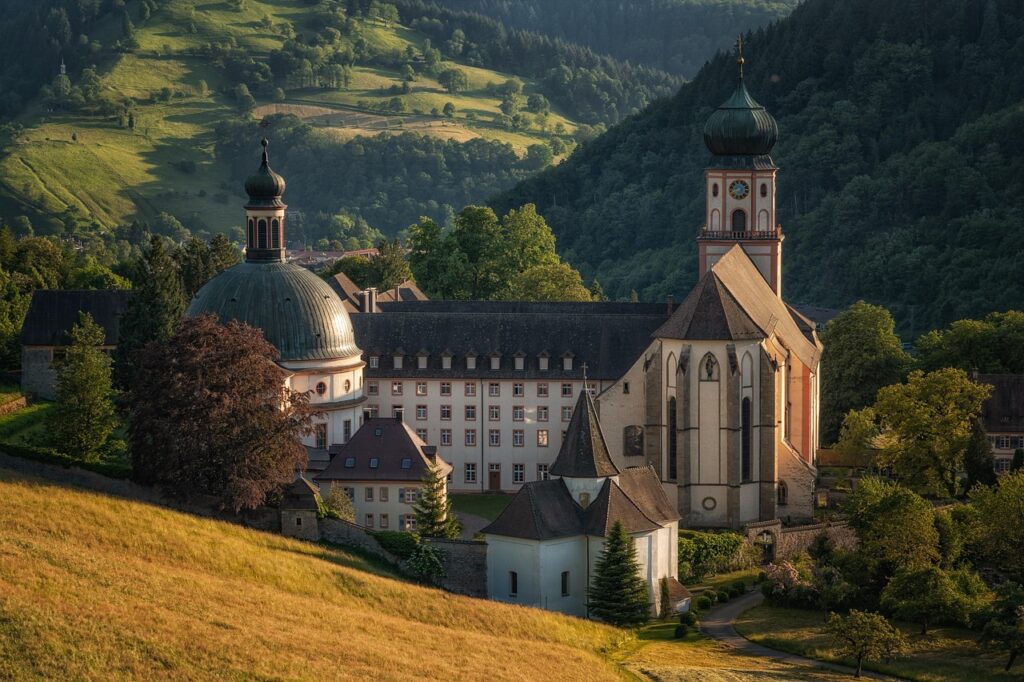
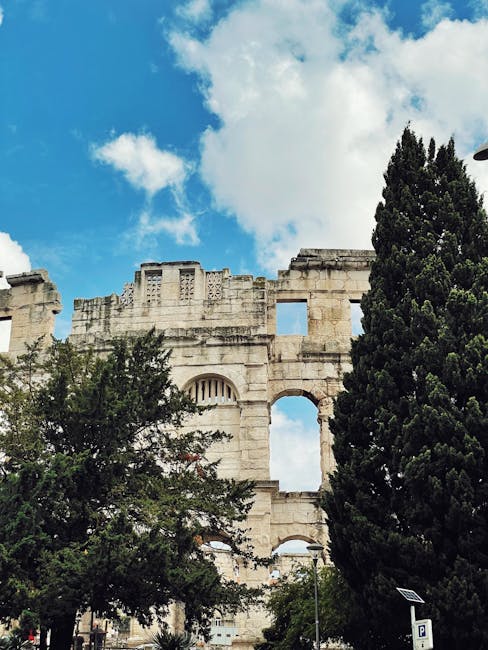
The Cimiez neighborhood is full of complementary attractions: the Cimiez Monastery (Monastère de Cimiez, 163 Avenue des Arènes de Cimiez, 06000 Nice), its gardens and archaeology museum, plus the Arènes de Cimiez (Rue des Arènes, 06000 Nice) — Roman ruins just a few minutes’ walk away. The Marc Chagall Museum (Musée National Marc Chagall, avenue Dr Ménard, 06000 Nice) is a short bus ride and can easily be combined into a half-day focused on modern and sacred art.
Where to eat and unwind after your visit
After your visit, relax in the museum gardens or head to the Café de Cimiez (approximate address: Place du Monastère, 06000 Nice — check on site) for a drink and a pastry. For a fuller lunch, try the restaurants on Rue Nicolas-Bonnal or Avenue Jean Médecin. If you’re after an authentic Nice experience, sample a classic salade niçoise in a city bistro or taste local specialties like socca and pissaladière around Cours Saleya as you make your way back to the Old Town.
Local tips and recommendations to make the most of your visit
A few insider tips from locals and seasoned visitors to help you get the most out of the Matisse Museum:
- Best time to visit: early at opening (10:00) or late afternoon (16:00–17:00) to avoid crowds. Midday (11:30–15:30) tends to be busiest, especially in high season.
- Ticket and audio guide: pick up the audio guide for a richer self-guided tour; it offers anecdotes about the works and insight into Matisse’s artistic choices.
- Recommended visit length: allow 1.5–2 hours for a full visit, 45 minutes for a quick tour of the main rooms.
- Photography: non-flash photography is generally allowed for personal use — check the signage at the entrance to temporary exhibitions where photography may be restricted.
- Combine visits: pair the museum with a walk in the Cimiez Monastery gardens and a look at the Arènes de Cimiez, all within a 10-minute walk. Art lovers can plan a day combining the Matisse Museum and the Marc Chagall National Museum (use public transport between the two).
- Clothing and shoes: wear comfortable shoes — the site includes sloping areas and garden paths. In summer, bring a hat and water for the outdoor stroll.
Conclusion: Why the Matisse Museum in Nice is worth a visit
The Matisse Museum in Nice is far more than a collection of famous works; it’s a place where the intimate relationship between an artist and his environment comes alive. Set within the leafy Cimiez district, the permanent collection allows you to follow the development of an artistic vision committed to color, simplification and the radiance of form. The rooms trace a journey from careful study in drawing to the chromatic explosion of the cut-outs, and each stage of the visit offers a new discovery — technical, aesthetic or biographical.
On a practical level, the address (164 Avenue des Arènes de Cimiez, 06000 Nice), opening hours (Tuesday–Sunday 10:00–18:00, closed Monday) and ticketing information (full €10, reduced €6, free under conditions) make planning straightforward. Museum services — audio guides, guided tours by reservation, workshops and a shop — broaden the experience and cater to everyone from school groups to art enthusiasts.
Finally, the close proximity of the historic Cimiez quarter and nearby sites (Cimiez Monastery, Arènes de Cimiez) turns a museum visit into a genuine Nice heritage stroll. Whether you’re a fan of modern art, a student, a teacher, or simply a visitor seeking inspiration, the Matisse Museum in Nice deserves a top spot on your itinerary. Go prepared to rethink your perception of color and form: Matisse doesn’t just show images, he offers a way of seeing the world.
Before you go, check the official site (https://www.musee-matisse-nice.org) or call +33 (0)4 92 03 63 50 for the latest practical info, to book a guided visit or to confirm workshop dates. Enjoy your stay in Nice and your discovery of Matisse’s work where his pictorial quest meets Mediterranean light.