






Introduction — Why this practical guide to finding a secure Airbnb in Nice
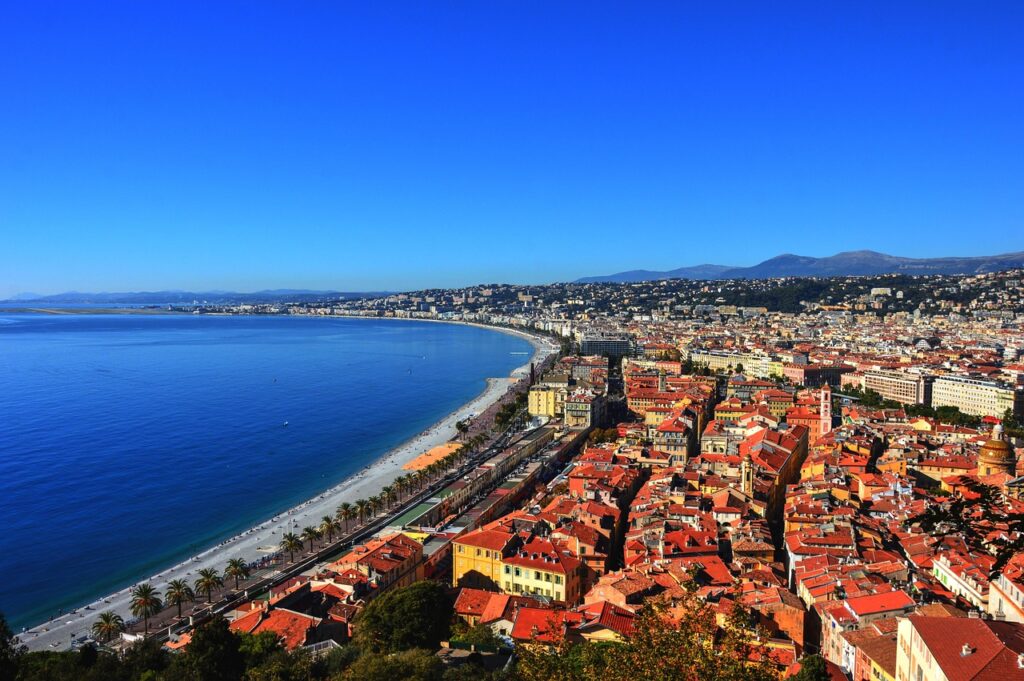
Nice draws millions of visitors every year: beaches, museums, great food and mild weather. But finding an Airbnb that’s not only comfortable and well-located but also truly secure takes more than clicking “Book.” This hands-on guide, tailored for Nice, lays out a 7-step method with exact addresses, opening hours, sample prices, checklists and immediate actions to take before, during and after booking.
We make every tip practical and usable: you’ll know exactly where to check an ad’s authenticity, how to assess neighborhood safety, which questions to ask the host, which local services to contact if something goes wrong, how to spot signs of a fake listing, and how to protect yourself once you arrive. The steps cover central Nice (Old Town, Place Masséna, Promenade des Anglais), the Gare/Thiers area and the port, with useful addresses and opening hours for local offices like the Tourist Office and the train station. Each step includes a printable checklist and concrete examples (prices, security deposits, opening hours) so you can act straight away.
Why Nice? Because the city attracts all kinds of travelers and hosts a wide range of Airbnb options: luxury apartments in the Carré d’Or, budget studios near the train station, homes with balconies by the Port. Issues range from minor scams (stolen photos, fake reviews) to real-life problems (broken locks, power outages), which is why a strict pre-arrival routine matters. This guide helps you verify a listing item by item, spot red flags and use local resources (Tourist Office, station, official taxis, police) to secure your stay.
Throughout the guide you’ll also find practical templates to message hosts, typical security deposit amounts (e.g. €100–€500), nightly price ranges by neighborhood (e.g. €50–€120/night off-season for a central studio), and useful Nice addresses with opening hours (Tourist Office, Nice-Ville station, Nice Côte d’Azur Airport). At the end you’ll find a final checklist covering what to do 72h, 24h and 1h before arrival.
Step 1 — Confirm the listing is genuine and verify the host’s identity
Before booking: match up the proof. A listing that looks too good might be stolen. Here are concrete steps to take immediately, plus a checklist and places where you can verify details in person if needed.
- Check on the platform: make sure the host profile has a clear photo, an “Verified Host” badge if available (Airbnb Verified ID) and at least five recent, consistent reviews. Reviews should include dates and specific details. Avoid listings with zero reviews or only vague comments.
- Ask for the municipal registration number: since 2017, Nice often requires a registration number for short-term rentals (a city registration number). The host should provide that number. Example message: “Thanks, could you share your municipal registration number for short-term rentals in Nice?”
- Photo validation: ask for a recent photo of the property that shows a fixed point (building number, the front door with mailbox, or a clearly identifiable view). Reject generic images that could be taken from the web.
- Verify the address on Google Street View: paste the full address into Google Maps. The facade should match the listing photos (balcony, shutters, number of floors). If the facade doesn’t match, be extra cautious.
- Reverse image search: use TinEye or Google Images to see if the photos appear elsewhere (same property listed across multiple platforms under different names).
Checklist:
- Host profile verified: yes / no
- At least 5 recent reviews: yes / no
- Municipal registration number provided: yes / no
- Identifiable, consistent photos: yes / no
- Reverse image search results: matches = ____
If anything seems off, cancel or ask for an in-person viewing before paying. If you’re already in Nice, head to the Nice Côte d’Azur Metropolitan Tourist Office for quick advice: Tourist Office, 5 Promenade des Anglais, 06000 Nice — typically open 9:00–18:00 (extended to 19:00 in high season). You can also report a suspicious listing through the booking platform or, if you’re the victim of a scam, contact the national police at 17.

Step 2 — Assess neighborhood safety and proximity to essentials
A secure place in Nice isn’t just about a good lock: it’s in a neighborhood where you feel safe at night and that offers quick access to services. Here’s how to check a neighborhood in 10 minutes before booking and what to do once you’re there.
Actions before booking:
- Get the exact address: copy the full address from the listing (or ask for it if it’s partially hidden). Example of an acceptable listing address: “Apartment, 12 Rue Droite, 06300 Nice (Old Town)” — Rue Droite is well-located in the heart of the Old Town, but be aware of night noise.
- Check transport links: Gare de Nice-Ville, 4 Avenue Thiers, 06000 Nice — roughly open 04:30–00:30; bus no. 98 to the airport, Tram L1 from the station (stop « Gare Thiers »). If the listing is >15 minutes on foot from the station, verify night tram/bus options.
- 24/7 essentials: locate a late-night pharmacy or convenience store. Example: Pharmacie du Centre, 6 Rue Masséna, 06000 Nice — opening hours vary; many pharmacies have on-call night service (check by dialing local directories like 118 418).
On site, in 15 minutes:
- Walk around the property during the day: note street lighting, cameras, and pedestrian traffic.
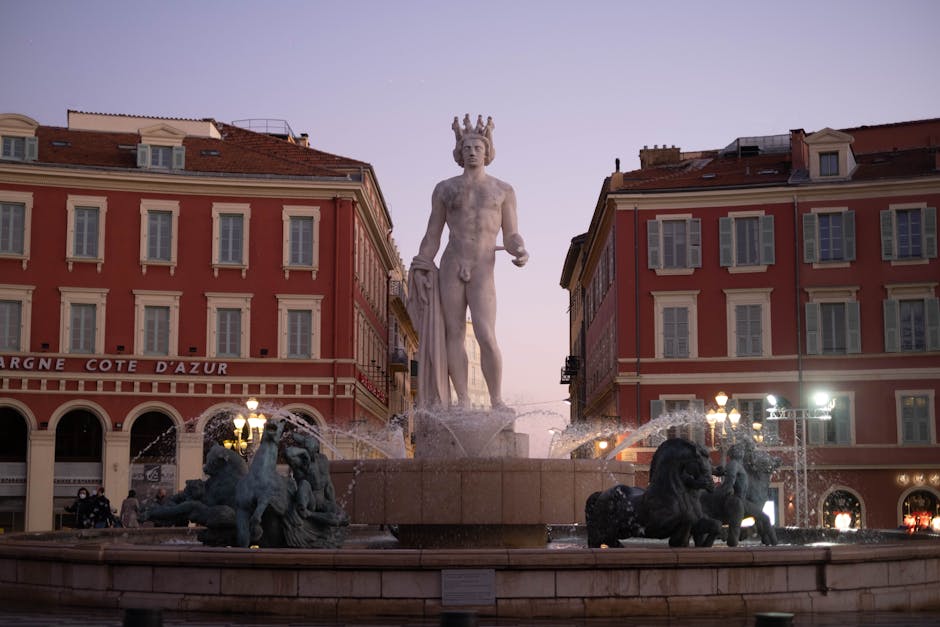
- Try the night route from the property to the Promenade des Anglais or Place Masséna (Place Masséna, 06000 Nice — a large pedestrian hub at night). If the walk requires passing through poorly lit alleys, consider another place.
- Quickly search for “crime rate Nice neighborhood X” or check local forums (e.g. Facebook groups like « Expats in Nice ») for real experiences.
Sample nightly prices by neighborhood (average off-season):
- Old Town (Rue Droite, Cours Saleya): €60–€120/night
- Carré d’Or / Promenade des Anglais: €90–€200/night
- Port neighborhood (Rue Bonaparte, Quai des Docks): €70–€140/night
- Gare / Thiers (near Avenue Thiers): €45–€90/night
Step 3 — Check the property’s physical security (locks, windows, intercom)
Security starts with tangible features: a reinforced door? a 3-point lock? a working intercom? smoke detectors? Here’s the full checklist and how to ask the host about each item.
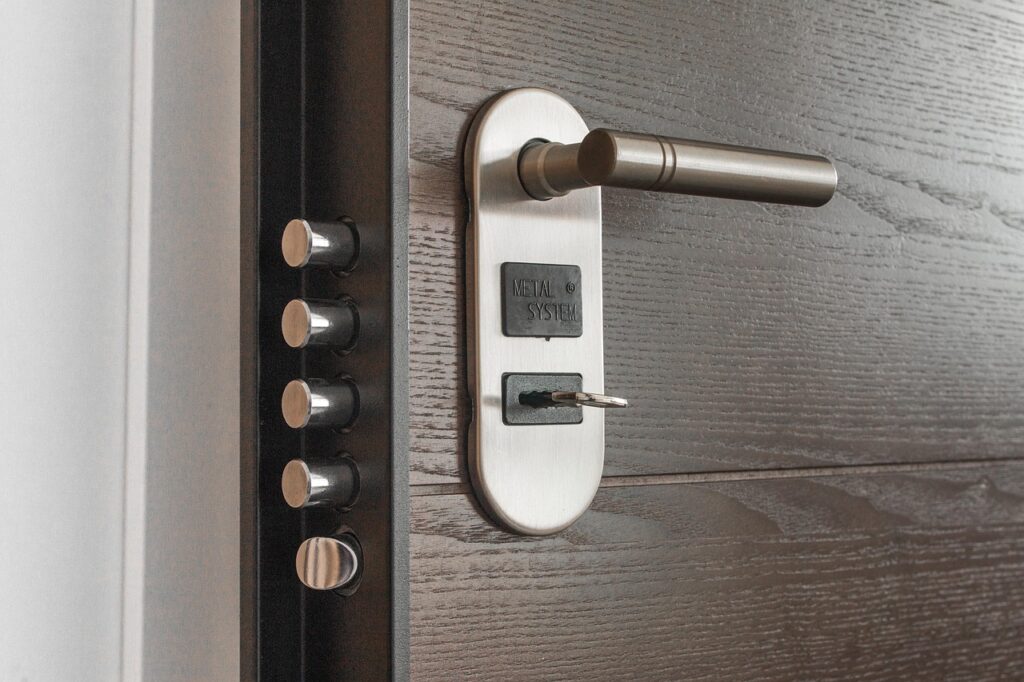
- Locks: ask for the brand and type. Prefer multipoint locks (3-point) or A2P-rated reinforced doors. Sample message: “Can you confirm the type of lock (e.g. 3-point multipoint lock) and the year it was installed?”
- Intercom / keycode: make sure the building has an intercom or keycode entry. Example address with a keycode: a modern building on Boulevard Victor Hugo (check Google Street View before booking).
- Window locks and shutters: for courtyard apartments (e.g. Rue Sainte-Reparate, Old Town), ask whether windows have internal locks and if the shutters close properly.
- Detectors: insist on working smoke detectors and, if possible, CO detectors. Ask when the batteries were last changed.
Arrival procedure (within the first 30 minutes):
- Check that the door closes and locks smoothly. Test the key/code three times.
- Inspect windows and shutters; note any damage (broken padlock, cracked glass).
- Test the smoke detector (usually a small button + beep): press briefly to confirm it works.
- Locate emergency exits (fire stairs or alternative exits) and note their condition.
Quick physical checklist:
- Main door: multipoint / reinforced: yes / no
- Intercom / keycode: yes / no
- Lockable windows: yes / no
- Smoke detector: yes / no (battery date: ____)
Step 4 — Ask the right questions: message template and acceptable response times
Clear communication with the host resolves about 80% of issues. Below is a message template to send before booking, plus a list of acceptable and unacceptable answers. Send this through the platform messaging to keep a record.
Sample message (copy-paste):
Hello [First name],
I’m interested in your place at [full address]. Before booking, could you please confirm:
1) Your municipal registration number for short-term rentals.
2) The type of lock and whether there is an intercom (yes/no).
3) The security deposit policy (amount €) and whether it’s handled via the platform.
4) Arrival time options and key handover (self check-in with keybox / in-person handover).
5) The presence of a fire extinguisher and smoke detector.
6) A local emergency contact phone number in case of issues.
Thanks,
[Your First name]
Acceptable answers:
- Registration number provided: e.g. 06/xxxxx (or similar)
- Deposit via the platform: amount indicated (e.g. €300); no direct bank transfers requested.
- Check-in: self check-in with combo lock (code sent on arrival day) or in-person meet (specify exact time).
- Local contact: valid French phone number (06 xx xx xx xx).
Warning signs: the host asks for a bank transfer, refuses to give a registration number, or gives vague answers about security. Never pay outside the booking platform (or equivalent) — you’ll lose platform protections.

Step 5 — Manage arrival and key handover safely
Arrival is a critical moment. Here’s how to organize it to minimize risk, with transport addresses and hours and typical taxi/transfer prices from the airport.
Airport transfers:
- Nice Côte d’Azur Airport — Terminals 1 & 2 (Aéroport Nice Côte d’Azur, 06207 Nice). The airport is open 24/7; shuttle services Alpes Express and buses 98/99 connect the airport to the station (fares ≈ €6–€10). Official airport taxi to central Nice: roughly €30–€40 depending on traffic (metered fare).
- Train: Gare de Nice-Ville, 4 Avenue Thiers, 06000 Nice — TER and TGV schedules vary; the station is generally open 04:30–00:30.
Secure key handover options:
- Option 1 — Self check-in: keybox code or digital lock. Request that the code be sent the day of arrival via the platform message. Test the code in front of the property; don’t share it with others.
- Option 2 — In-person handover: require a scanned ID via the platform and a clear meeting time and place. Ask that the host meets you in person — never accept the key hidden under a mat.
- Option 3 — Professional check-in service: some Nice listings use a concierge company — ask for the company name and a contact number; these services often charge €20–€60 for check-in.
When collecting the keys:
- Document the property condition (take 360° photos upon entry for proof).
- Ask the host to sign a simple check-in inventory (date, time, notes) and keep a photo of it.
- Never pay cash for additional fees outside what the platform shows.
Step 6 — If something goes wrong: local recourse and rapid steps
Even when you’re prepared, problems can happen: jammed locks, no power, or conditions that don’t match the listing. Here’s what to do with key numbers, addresses and response time expectations.
- Contact the host via the platform messaging and request an immediate fix (repair, alternative housing). Keep all evidence (messages, photos, videos with timestamps).
- If the host doesn’t respond or refuses: open a dispute on the platform (e.g. “Claim – Property issue”) and attach photos and a description. Platforms usually require a response within 24–48 hours.
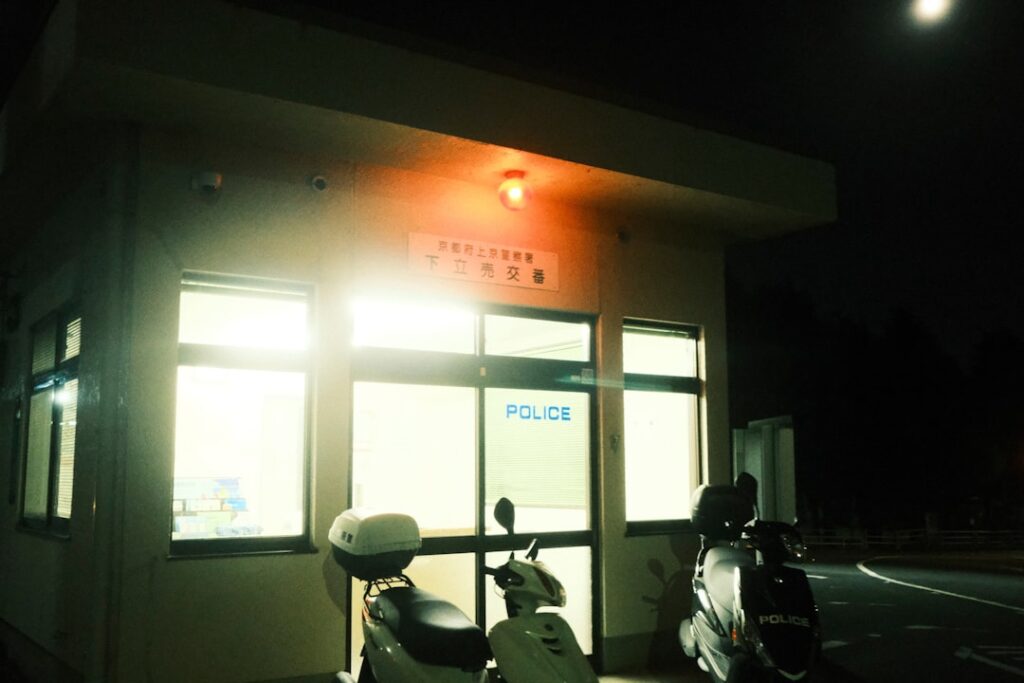
- Emergency numbers in Nice: Police (17), SAMU (15), Firefighters (18). Use 17 for property crimes or assaults. For non-urgent administrative help, visit the Tourist Office (5 Promenade des Anglais, 06000 Nice) — open roughly 9:00–18:00; staff can direct you to municipal services.
- Relocation: if the property is uninhabitable, ask the platform for equivalent relocation. Platforms commonly handle relocation or refunds.
Practical steps:
- Photograph everything (doors, locks, electrical issues) in HDR if possible to capture details.
- Date your evidence: prefer video with a timestamp on your phone.
- If you’re in Nice and want legal advice: the nearest House of Justice and Law (Maison de la Justice et du Droit) can provide guidance (check the exact address via the Tourist Office).
Step 7 — Secure the end of your stay: deposit, check-out and reviews
Security doesn’t stop at arrival: here’s how to get your deposit back, properly check out and leave a useful review for future travelers. Follow this final protocol.
- Before leaving: retake comparative photos (entry vs exit) to prove you didn’t cause damage.
- Formal check-out: require a check-out inventory with the host or concierge. Note the exact time and keep a photo of the host signing or a message confirming check-out.
- Getting your security deposit back: typical Airbnb timeline: 7–14 business days after check-out for automatic release if no damage claim is made. Example: €300 deposit — if no claim is filed within 7 days, the platform usually returns the funds automatically.
- If funds are withheld unfairly: open a dispute with dated photos; the platform arbitrates and can return 100% of the deposit if the claim is unjustified.
Reviews and communal safety:
- Leave a factual review: list only concrete facts (broken lock, clean sheets, noisy neighbors) to help future guests in Nice.
- Report any fraudulent activity to the platform and, if needed, to the Police (17) with your evidence (messages, photos). If you moved a key or item, report it as well to avoid misunderstandings.
Departure checklist (1 hour before):
- Last photos of the property condition: done
- Basic cleaning per agreement: done / not done
- Key handover with signature / code deactivated: done / not done
- Confirmation message sent via the platform: done / not done
Conclusion — Practical summary and printable final checklist
Finding a secure Airbnb in Nice combines pre-booking vigilance, physical checks on arrival and clear steps if something goes wrong. This 7-step guide gives you a structured workflow: verify a listing’s authenticity, assess the neighborhood, inspect physical security (locks, intercom, detectors), ask precise questions to the host, organize a safe arrival, know your recourse options and finally manage check-out and deposit recovery. Follow these steps and you’ll greatly improve your chances of a stress-free stay.
Printable checklist summary (three timeframes):
- 72 hours before booking: check reviews/host profile, request municipal registration number, run a reverse image search.
- 24 hours before arrival: confirm check-in details, request key code if self check-in, arrange airport transfer (official taxi ≈ €35 to city center or bus 98/99 ≈ €6–€10).
- On arrival / departure: test lock/intercom, take entry and exit photos, request a signed inventory, open a platform dispute if needed.
Useful addresses to keep on hand:
- Nice Côte d’Azur Metropolitan Tourist Office — 5 Promenade des Anglais, 06000 Nice — Opening hours roughly 9:00–18:00 (seasonal variations).
- Gare de Nice-Ville — 4 Avenue Thiers, 06000 Nice — Approx. hours 04:30–00:30; trains and Tram (L1).
- Nice Côte d’Azur Airport — Terminals 1 & 2, 06207 Nice — open 24/7; official taxis available outside (approx. €30–€40 to the center).
- Emergencies: Police 17, SAMU 15, Firefighters 18.
By following these steps and keeping all communication records, you’ll be in a strong position to demand a safe, compliant rental. Nice has beautiful neighborhoods — Old Town, Promenade des Anglais, the Port and the Carré d’Or — but like any major city, a bit of caution and preparation will keep your trip smooth. Enjoy your stay in Nice and make the most of the beaches, markets (Cours Saleya) and that famous Mediterranean lifestyle.