





Introduction: Contemporary Art in Nice — a Lively, Accessible Scene
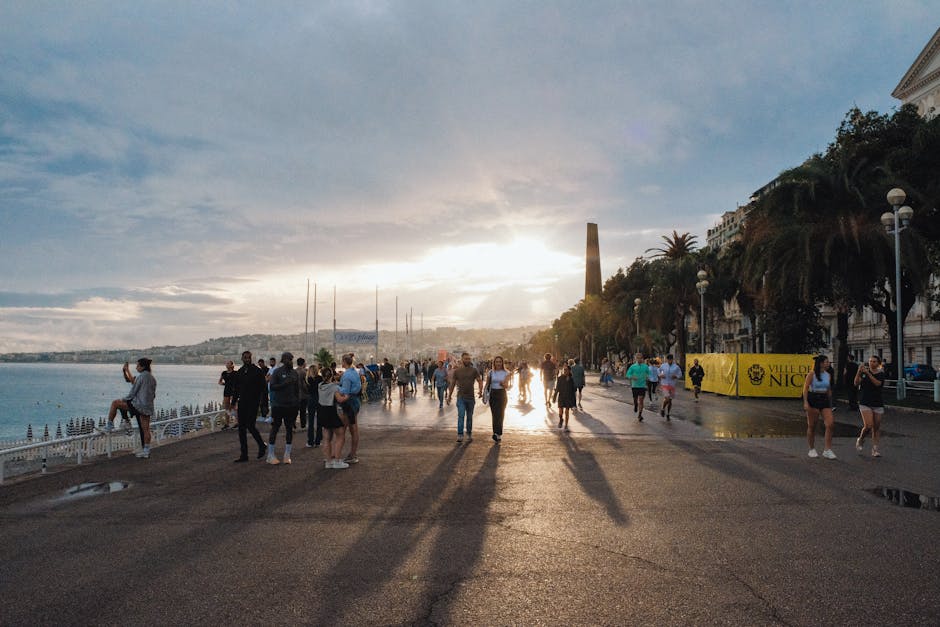
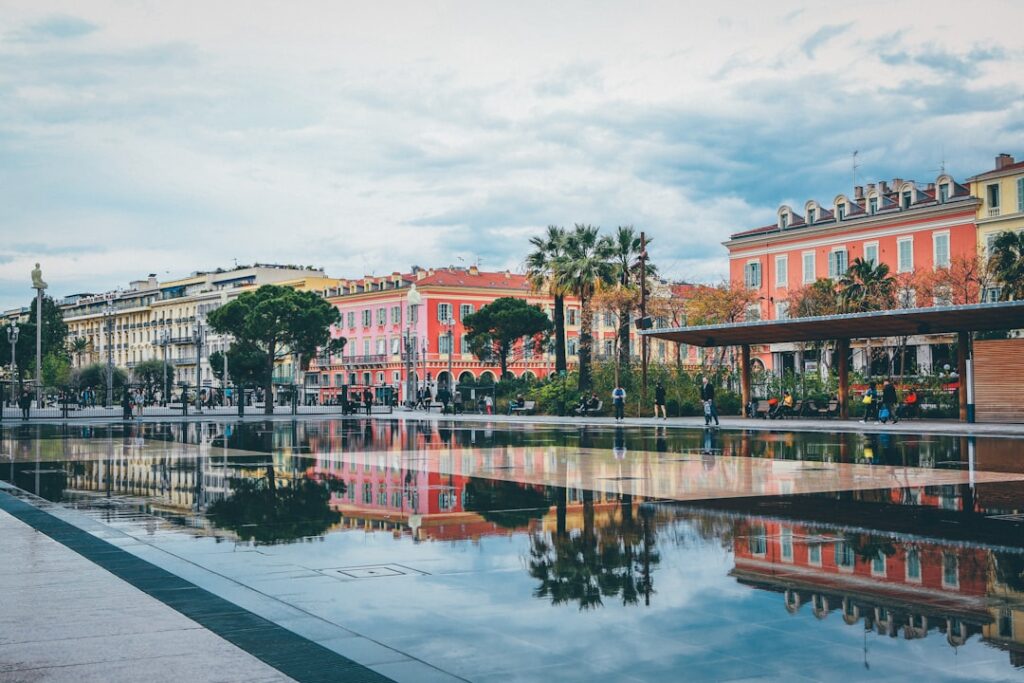
Nice is more than the Promenade des Anglais, sunshine and socca: it’s a dynamic crossroads for contemporary art in the Mediterranean. Between established public institutions, influential art schools, innovative exhibition spaces and private galleries, the city offers a rich and varied palette where local, national and international artists meet. Visiting Nice for contemporary art means mixing relaxed wandering with ambitious discoveries — strolling from the Old Town up to the Cimiez hills, exploring rehabilitated industrial neighborhoods, and stopping at venues that are often open, lively and sometimes experimental.
This guide walks you through the scene step by step: it lists unmissable venues, gives exact addresses, notes ticket prices in euros, practical opening hours, and offers immersive descriptions designed to help you plan a full cultural outing or several art-focused days. You’ll also find local tips (best times to avoid crowds, nearby restaurants and transport, temporary shows to keep an eye on) so each visit is smooth and enjoyable.
Nice is home to long-standing institutions devoted to contemporary art, like the Musée d’Art Moderne et d’Art Contemporain — MAMAC — which has reflected the city’s artistic vitality for decades. There are also creative hubs such as Villa Arson, which combines a national art school, exhibition venue and artist residencies: a creative home where research and experimentation are visible down every corridor. Smaller but equally essential municipal centers, neighborhood galleries and quirky venues complete a plural scene: the Malmaison on the Promenade, galleries in the Old Town and pop-up spaces in repurposed wastelands.
This guide does more than list locations: each entry is detailed (atmosphere, highlights of collections or programming, suggested routes) and comes with practical advice (how long to plan, how to get there, which bus or tram to favor, where to eat afterward). Whether you’re a curious art lover, a collector scouting new talent, an art student or simply a visitor looking to step off the beaten path, this guide will help you make the most of Nice’s contemporary art scene.
In the sections that follow I take you into five essential places: the Musée d’Art Moderne et d’Art Contemporain (MAMAC), Villa Arson (National School of Art), La Malmaison — Nice’s City Contemporary Art Center, a selection of key galleries and some routes and tips to discover the wider scene. Each profile includes the exact address, ticket prices, opening hours and recommendations for a successful visit. Enjoy — and remember: contemporary art is often better experienced than described, so leave time to stop, look, talk with staff, and go back if an exhibition moves you.
Musée d’Art Moderne et d’Art Contemporain (MAMAC) — Place Yves Klein in the Heart of Nice
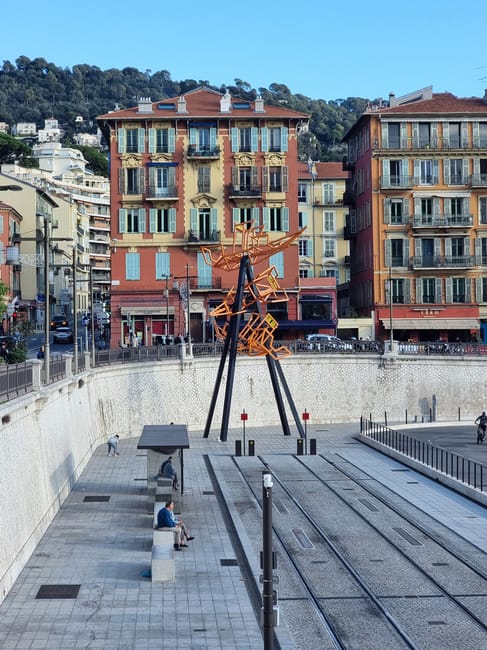
Exact address: Musée d’Art Moderne et d’Art Contemporain (MAMAC), Place Yves Klein, 06300 Nice. MAMAC is one of the cornerstones of contemporary art in Nice: located a short walk from Cours Saleya and the Old Town, its modern architecture shapes the city’s urban perspective. Opened in 1990, the museum presents permanent collections focused on major 20th-century movements (Nouveau Réalisme, Pop Art, Arte Povera, etc.) along with rotating exhibitions devoted to contemporary artists.
Opening hours: open Tuesday to Sunday, 10:00–18:00; closed Mondays. Last entry 17:30. Closed January 1 and December 25. Hours can change for special exhibitions — always check the official website before you go.
Tickets (indicative — check official ticketing to confirm): full price €10.00; reduced €8.00 (youth 18–25, seniors with ID); free for under 18s and certain cultural programs. Combined tickets with other city museums may be available depending on programming. Specific rates apply for guided group tours and workshops.
Immersive description: stepping into MAMAC means entering a space where contemporary art converses with Mediterranean light. The rooms, bright and sometimes raw, showcase paintings, sculptures, video installations and site-specific works. The route unfolds over several floors, with large areas for monumental installations and a terrace offering panoramic views of the Promenade des Arts. Temporary exhibitions often feature guest curators and thematic approaches — it’s a place where new perspectives on international movements and the French scene emerge.
Local tips: allow at least 1.5 to 2 hours for a full visit if you want to take in the permanent collection and a temporary show. Mornings are usually quieter; arrive at opening to enjoy softer natural light and avoid school groups. The museum shop offers exhibition catalogues, limited editions and unique design objects — a great spot for a souvenir. Nearby, Cours Saleya has plenty of cafés for lunch after your visit.
Villa Arson — National School of Art, Research and Exhibitions in Cimiez
Exact address: Villa Arson — École nationale supérieure d’art, Direction régionale des affaires culturelles, 20 Avenue des Arènes de Cimiez, 06000 Nice. Villa Arson is a unique institution: part teaching center (National School of Art), part contemporary art center and part resource hub. Set in the historic Cimiez neighborhood, it occupies modern architecture nestled in parkland overlooking the city. It’s a place of creation and reflection where students, resident artists and curators develop often experimental projects.
Opening hours: normally open to the public Tuesday to Sunday, 10:00–18:00; closed Mondays. Some shows or events may offer evening openings or workshops — check Villa Arson’s program before your visit.
Admission: access to Villa Arson’s exhibitions is often free (temporary exhibitions and the art center are usually open to the public), though some conferences, workshops or special events may be ticketed (prices vary, generally between €3.00 and €10.00). Verify the schedule and ticketing online.
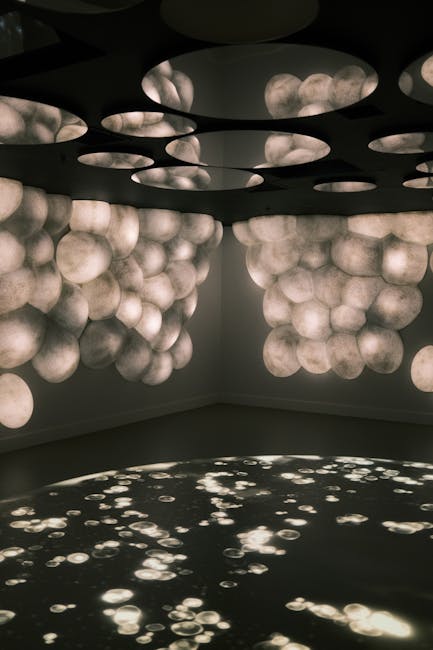
Immersive description: Villa Arson feels like an intellectual and sensory stroll. The path inside blends exhibition rooms, visible student studios, workspaces and terraces. Shows are frequently conceptual and engaged, often questioning contemporary forms and practices. The park and the views over Nice create a contemplative setting: you can alternate exhibition visits with a walk in the gardens, watch young artists at work, or attend public talks. Curators at Villa Arson tend to favor research and interdisciplinary experiments (performance, sound, video, participative installations).
Local tips: Villa Arson sits on Nice’s heights; getting there by car or bus is recommended if you’re short on time. Parking is limited on site: prefer public transport (bus line 15 from the city center) or a walk if you enjoy a climb. Plan 1.5 to 2.25 hours for an in-depth visit. If you attend an opening, arrive early — it’s a great chance to chat with artists and students. The school shop often sells publications produced by the institution, worth checking out for monographs and rare catalogs.
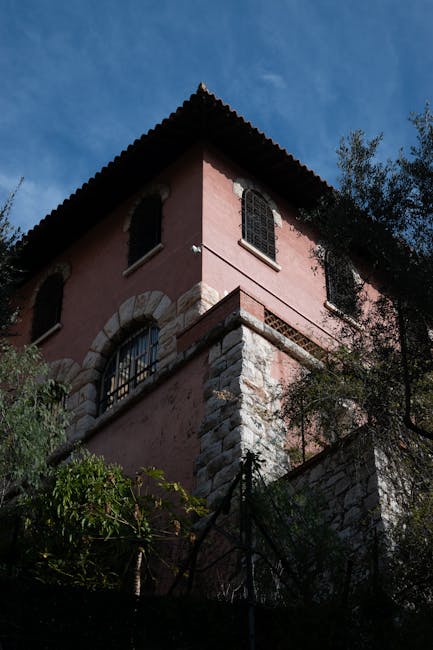
La Malmaison — City of Nice Contemporary Art Center on the Promenade des Anglais
Exact address: La Malmaison — Centre d’Art Contemporain, 1 Promenade des Anglais, 06000 Nice. Housed in a Belle Époque villa facing the sea, La Malmaison is a municipal venue dedicated to temporary contemporary art exhibitions. Its location on the Promenade des Anglais makes it a popular and accessible stop, perfect for combining culture with a seaside stroll.
Opening hours: generally open Tuesday to Sunday, 10:00–18:00; closures may occur for exhibition installations or municipal events. Closed Mondays. Check the City of Nice website for exhibition-specific hours.
Tickets: entry is often free or very low-cost (e.g. €3.00–€6.00 depending on programming) to encourage public access. Major shows may charge a full price (for example €8.00) with discounts for students and seniors.
Immersive description: entering La Malmaison you immediately feel the proximity of the sea: the galleries have soft light and some works explicitly converse with the maritime landscape. Programming emphasizes monographic exhibitions by contemporary artists — both emerging and established — and curatorial projects that question public space, the environment and Mediterranean artistic practices. The interior retains the villa’s charm while contemporary exhibitions create an exciting contrast between heritage and new creation.
Local tips: plan a late-afternoon visit so you can continue along the Promenade and enjoy nearby cafés. The beach is a great place to relax after an exhibition — bring water and sunglasses. La Malmaison regularly hosts talks and workshops, often free; if your visit coincides with an event, take the opportunity to dig deeper into the show. Weekends are busier, especially in summer; weekday mornings tend to be quieter.
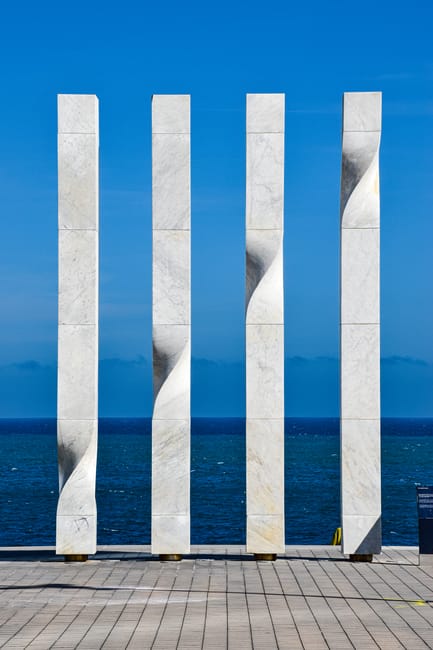
Key Galleries and Alternative Spaces: Routes Off the Beaten Track
Beyond the major institutions, Nice is full of private galleries, independent spaces and alternative venues that feed the contemporary scene. Here’s a representative selection — each one offers a different take on current practices, from drawing and video to photography and sculpture.
- Galerie Lympia (Hôtel Lympia / Quai des États-Unis) — location may vary by season; check with the city’s cultural office. This municipal gallery often hosts thematic shows and promotes young local creators. Tickets and hours depend on the exhibition (often free).
- Galerie Eva Vautier (alternative exhibition space) — sometimes located in temporary city-center venues or industrial sites; consult their online program. Entry is usually free or low-cost; hours vary.
- La station Nice (independent contemporary art space) — address changes with the season, sometimes found near the train station or in former industrial zones; a hub for performances and sound art. Prices vary.
- Galleries in the Old Town — the Old Town concentrates several small painting, photo and sculpture galleries; wander Rue Droite, Rue Rossetti and around Cours Saleya to find temporary exhibitions and openings. Most galleries are open 11:00–19:00 and offer free admission.
Immersive description: getting lost among the city’s galleries reveals the diversity of contemporary creation: large-format photography, delicate installations, contemporary drawings and limited editions. Small galleries often favor direct contact: the gallerist or artist is on hand to explain the work, tell the story behind a series, and host intimate events (performances, readings). Alternative spaces stage experimental evenings where the public is invited to participate, creating a less formal exchange than in big institutions.
Local tips: plan a “gallery day” starting early and noting opening nights (vernissages often begin around 18:30–19:00) for a convivial meeting with artists. The Old Town galleries are perfect for combining art and a meal — you’ll find many small restaurants nearby. For alternative spaces, follow social media (Instagram, Facebook): many programs are announced informally. If you buy a work, ask about shipping or transport — local galleries usually have solutions for shipping within France and abroad.
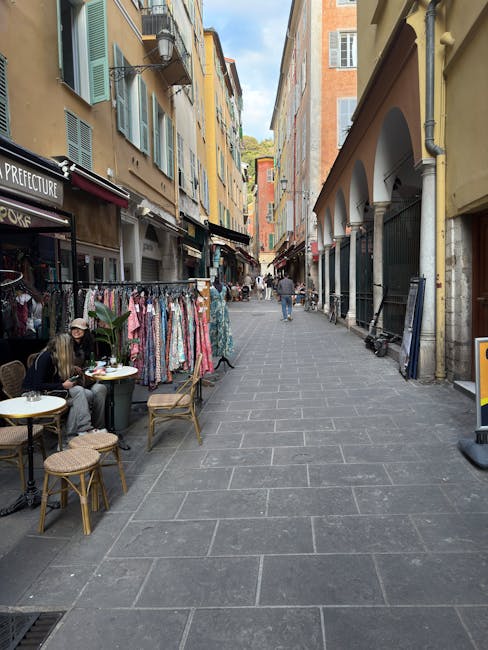
Routes, Practical Tips and Good Addresses Around Contemporary Art
Seeing Nice’s contemporary scene takes a bit of planning to make the most of each venue. Here are practical tips — transport, timing, dining, accommodation and budget tricks — to optimize your cultural route.
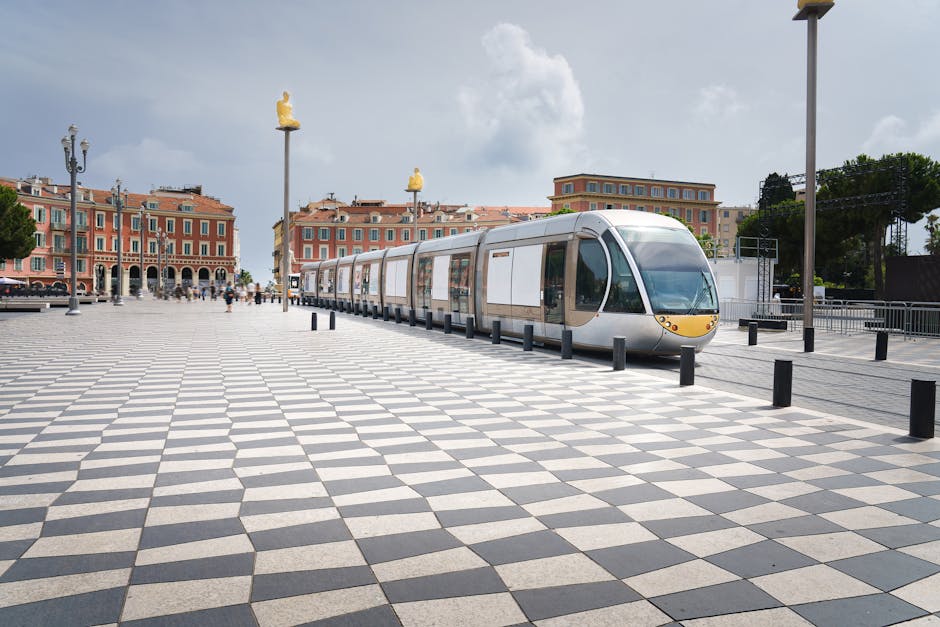
Transport: Nice has an efficient tram (T1, T2) and bus network. For MAMAC and the Old Town, get off at the “Opéra – Vieille Ville” stop (T1) or walk from the SNCF train station (10–15 minutes). Villa Arson in Cimiez is reachable by bus 15 (stop “Arènes de Cimiez”) or by taxi (5–10 minutes from the center). For waterfront galleries, the Promenade des Anglais is walkable from many central points. Consider a rechargeable transport card (Nice Côte d’Azur) if you’ll use public transit often.
Timing and crowds: museums are usually quieter in the morning right at opening. On weekends, venues like MAMAC or La Malmaison can be busier, especially in summer. If you’re sensitive to noise, choose a weekday slot. Vernissages are best in the evening (18:30–21:00) to meet artists over a drink.
Budget and tickets: if visiting several paid venues, look into museum passes or combined tickets. Many municipal art centers offer free or reduced admission. For guided experiences, book ahead: guided tours are useful if you want critical and historical readings of works.
Food and cafés: around MAMAC and Cours Saleya, plenty of bistros and cafés offer quick lunch menus (€15–€25). Near the Promenade, La Malmaison is a pleasant stop; for a more upscale meal, the Port area and Rue Bonaparte hide great tables. For a quick, local coffee pick-up, check out independent roasters around the Palais de Justice or the Port quarter.
Accommodation: to stay close to the contemporary scene, choose a hotel or apartment in the city center (Old Town, Carré d’Or) or the Port area (easy bus/taxi access to Villa Arson). Boutique hotels in the Carré d’Or are ideally located between museums, galleries and restaurants. If you want a creative-focused stay, Villa Arson and some galleries sometimes offer residencies or exchange programs (contact the institutions directly).
Sustainable tip: Nice is a very walkable city — reduce your carbon footprint by combining walking, tram and bus. Many exhibition venues provide digital content (virtual tours, podcasts) to prepare your visit: check official websites before you go.
Conclusion: Make the Most of Contemporary Creation in Nice
Nice is a city where contemporary art naturally belongs to the urban and seaside landscape: between renowned institutions, creative schools, independent galleries and experimental venues, the scene is both rich and accessible. Whether you have half a day or a week, the city offers flexible routes: a morning at MAMAC, an afternoon at Villa Arson, an evening opening in an Old Town gallery and a sunset walk along the Promenade des Anglais. Each place delivers a different experience — from institutional museum to experimental space — and together they form a coherent panorama of current creativity, shaped by Mediterranean light and scenery.
When planning your visits, consider the opening times and prices noted here, but always check online for programming updates and special events. Vernissages, performances and workshops are great opportunities to meet artists and people involved in the local scene — don’t hesitate to take part. Finally, leave room for the unexpected: often the most memorable discoveries happen while wandering a side street or popping into a small gallery on a whim.
To recap: start with the essentials (MAMAC, Villa Arson, La Malmaison), then broaden your route to independent galleries and alternative spaces. Allow at least two days for a comfortable immersion and plan additional slots to return to any exhibition that moved you. With its gentle lifestyle and concentration of contemporary art venues, Nice is fertile ground for the curious, students, collectors and casual strollers eager to deepen their view.
Happy cultural travels in Nice — and remember that contemporary art is discovered not only with your eyes but with the time you give it. Enjoy the exhibitions, chat with the teams, sample the local cuisine between visits, and come back: Nice’s scene evolves constantly.