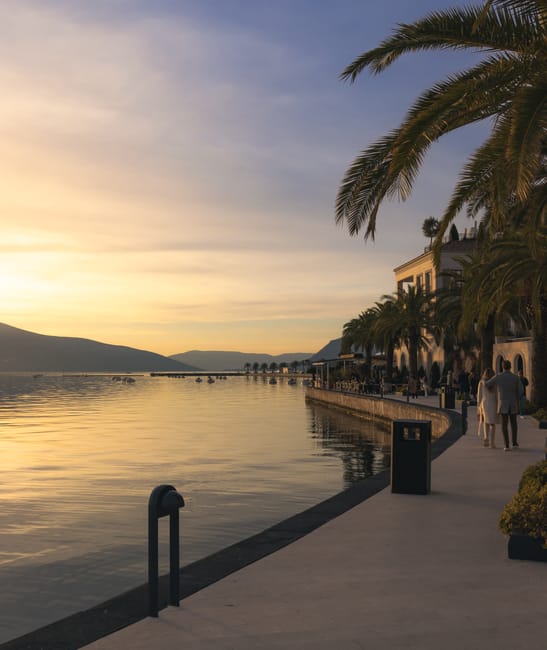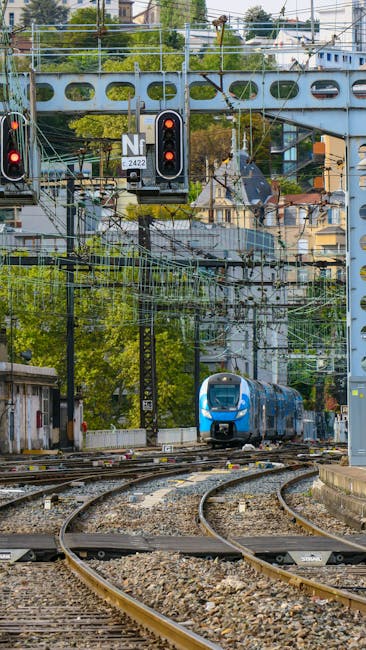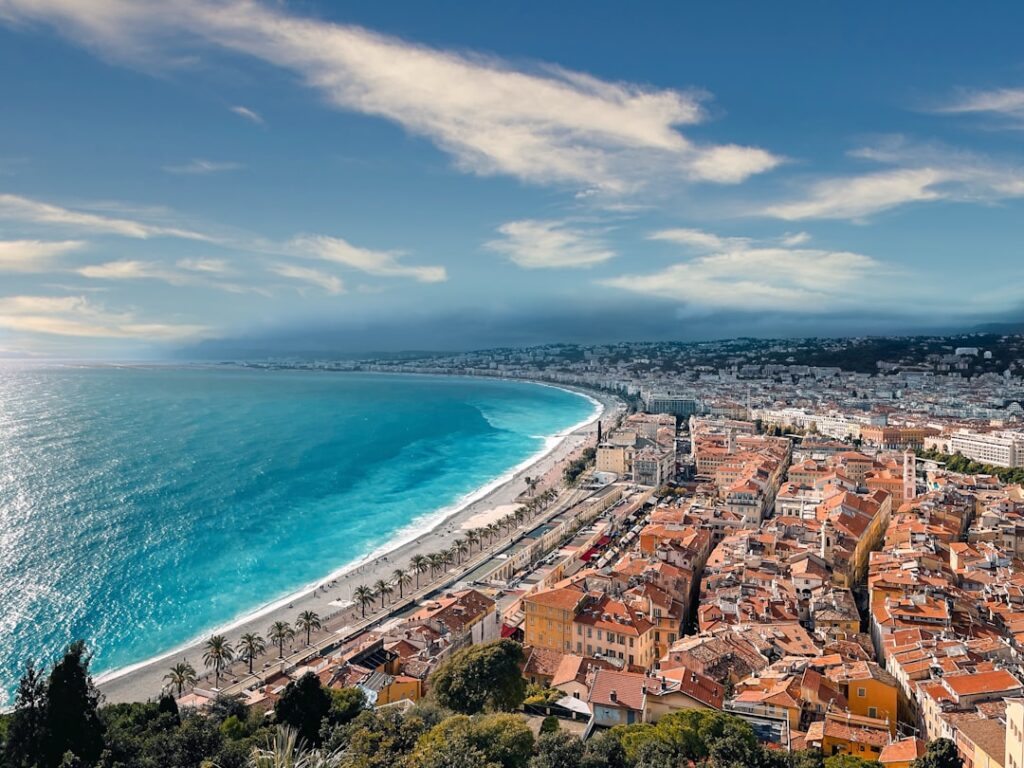






Introduction — Picking the right neighborhood in Nice: atmosphere, practical criteria and stakes
Nice is a Mediterranean city with many faces: beaches and boulevards, baroque alleyways, a green hill, a lively port and quiet residential districts. Whether you’re here for a short tourist stay, a job relocation or a long-term move, choosing the right neighborhood will hugely affect your quality of life: proximity to transport, access to shops, noise levels, housing type and budget. This comprehensive guide helps you understand the specifics of Nice’s main districts, with precise addresses, price ranges in euros, useful opening hours, standout attractions and local tips so you can decide with confidence.
We cover the most sought-after and representative areas: Vieux-Nice (centered on Cours Saleya), the Promenade des Anglais and the Carré d’Or (the city’s chic tourist heart), the Port and surrounding quays (boho maritime vibe), Cimiez (residential and cultural area), and the Libération / Train Station / East Nice corridor (practical and well connected). For each area I give concrete examples: hotel and restaurant names, indicative rates (nights, average rents), opening hours for key spots, and tips to avoid unpleasant surprises (noise, seasonality, parking).
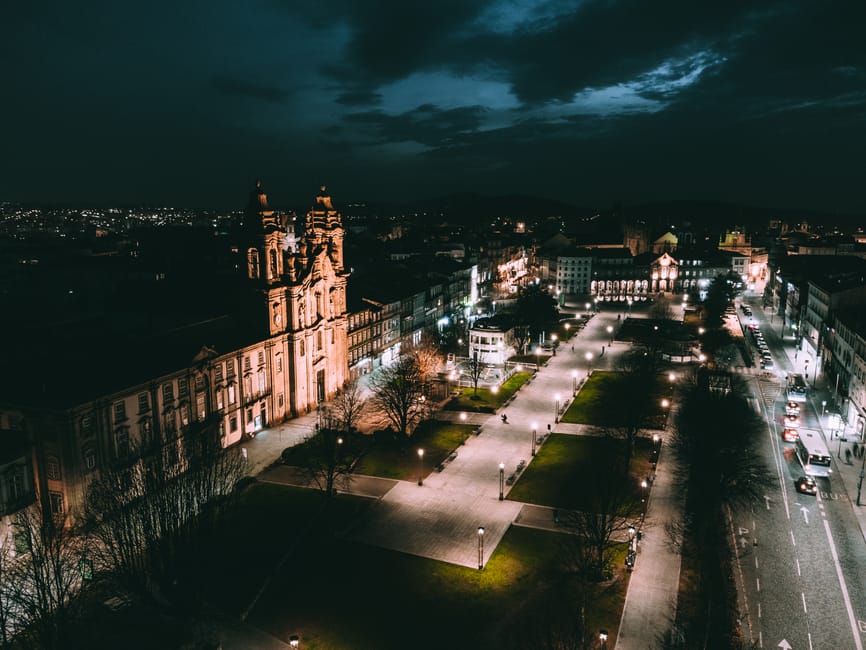
The aim is twofold: to provide useful reading for visitors (where to sleep depending on your profile: budget traveler, family, partygoer, art lover) and to guide future residents (short- or long-term rental, commute to work, schools, everyday life). This guide favors practical details: full place names (with exact addresses), price estimates in euros, typical opening hours and local pointers (markets you shouldn’t miss, off-peak times, tram lines to know). You’ll also find visual cues marked by images to give you an immediate sense of each area’s vibe.
Before diving into neighborhood breakdowns, a few criteria to steer your choice: 1) budget: Nice rents vary a lot (historic center and seafront are the priciest); 2) primary use: short tourism, working in the city center, families with children, remote work; 3) mobility: proximity to a tram stop (T1/T2) or the train station; 4) quiet vs nightlife; 5) access to beaches and green spaces. Keep these elements in mind as you read the neighborhood descriptions below.
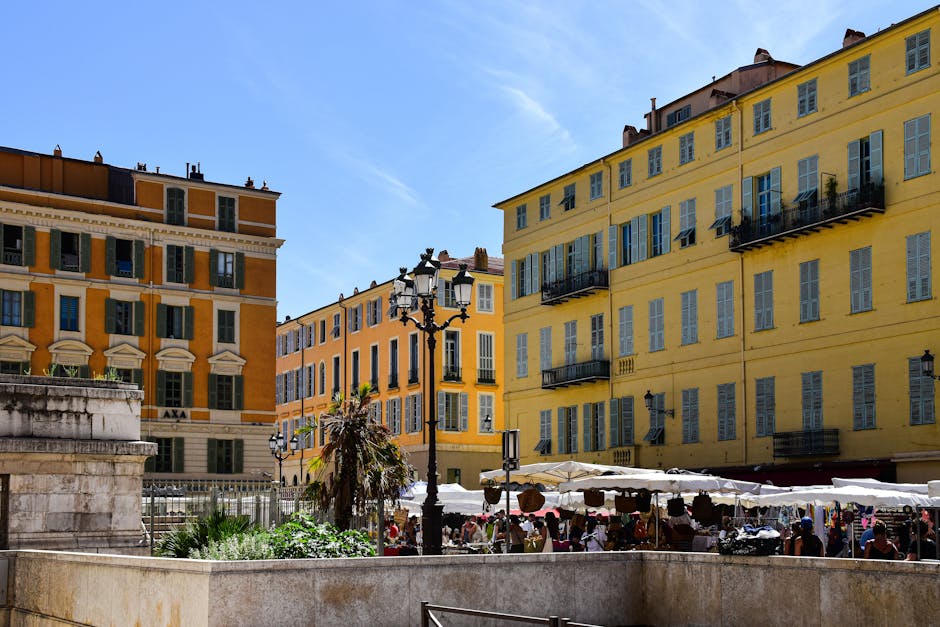
1. Vieux-Nice (Cours Saleya, Place Rossetti) — The historic, festive heart
Vieux-Nice is the city’s most picturesque and tourist-heavy quarter. Centered around Cours Saleya (Cours Saleya, 06300 Nice) and Place Rossetti (Place Rossetti, 06300 Nice), it offers a maze of narrow streets, colorful buildings, artisan shops and a very active neighborhood life. The flower and local produce market runs on Cours Saleya: it’s open every day except Monday (when the food market gives way to the antiques market). Typical market hours: 06:00–13:00 for food stalls and flowers (peak hours in high season). Cours Saleya is ideal for those who want to be in the thick of the action.
Prices and housing: rents are high for modest spaces due to the location. Expect on average €900–1,400/month for a 20–30 m² studio, €1,400–2,500/month for a one-bedroom depending on condition and proximity to the seafront. For short stays, examples of accommodations: Hôtel Rossetti, 1 Rue Sainte-Réparate, 06300 Nice — rooms from €120–180/night depending on season, breakfast ~€12–18. Palais Saleya Boutique Hotel (3 Rue du Marché) offers rooms €100–220/night.
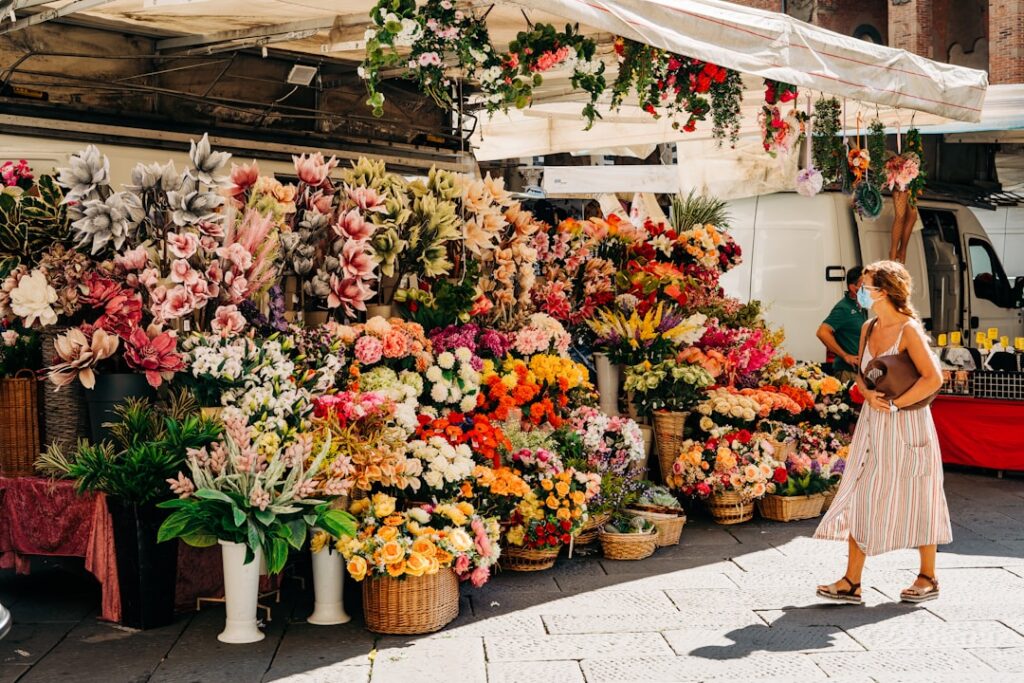
Practical life: nightlife here is lively, with bars and restaurants open late. Food highlights: La Petite Maison (11 Rue Saint-François de Paule, 06300 Nice) is famous but expensive (main courses €30–60), Restaurant Fenocchio Ice Cream (2 Place Rossetti) serves artisanal gelato, €3–5 per scoop. For peace and quiet, avoid apartments overlooking main streets if you need calm at night.
Transport: Vieux-Nice is a 10–15 minute walk from Nice-Ville train station (1 Place Masséna, 06000 Nice). Buses serve the Promenade and the port; for the train station and airport, the airport shuttle (direct line) and nearby trams (Place Masséna — Masséna stop, tram T1) are handy.
2. Promenade des Anglais & Carré d’Or — Beaches, chic and upscale conveniences
The Promenade des Anglais is Nice’s emblem: a broad palm-lined avenue with historic hotels along the Baie des Anges. The Carré d’Or (roughly bordered by Avenue Jean Médecin, the Promenade des Anglais, Place Masséna and Avenue de Verdun) is the chic shopping sector where boutiques, upscale restaurants and high-end establishments cluster.
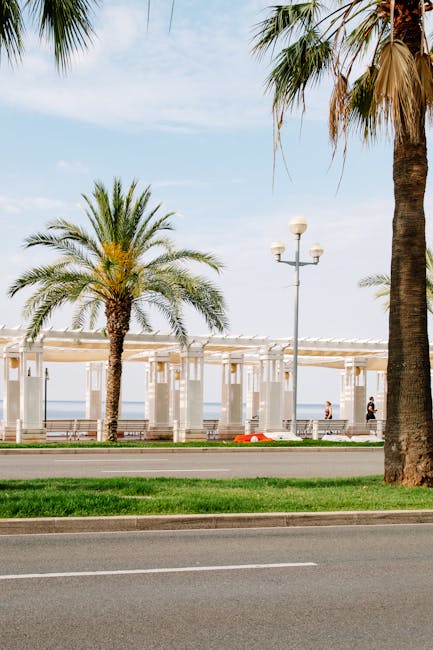
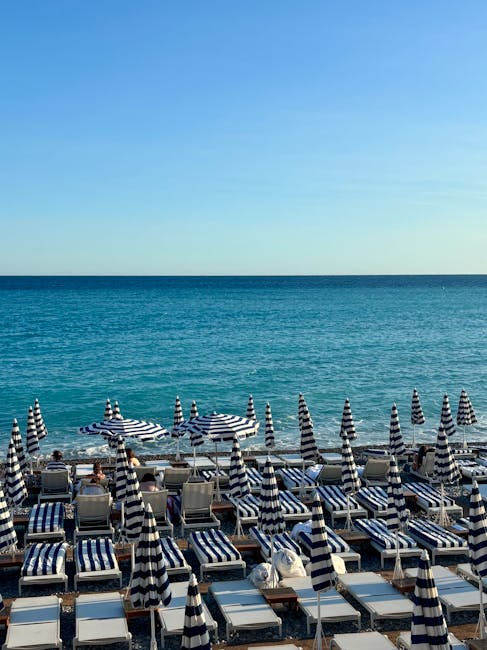
Addresses and examples: the legendary Hôtel Negresco, 37 Promenade des Anglais, 06000 Nice — rooms from €280/night in low season, often €350–700 in high season; museum and decor are listed. For a more accessible option, Hôtel Le Méridien Nice, 1 Promenade des Anglais, 06000 Nice — rooms from €120–220/night. Private beaches (Plage Ruhl, Plage Beau Rivage) charge about €15–35 for a sunbed and umbrella for the day (typically 09:00–18:00 in season).
Housing prices: for rentals, a studio near the sea typically costs €900–1,600/month; a one-bedroom €1,400–2,800/month, depending on sea view and comfort. Apartments with balconies/terraces are highly sought after and push prices up.
Practical life and leisure: Place Masséna (Place Masséna, 06000 Nice) is the neighborhood’s central hub, lively day and night with shops, the tram (Masséna stop, lines T1 and T2) and a 10-minute walk to Vieux-Nice. Trams run roughly 05:00–00:30 depending on the line; a single ticket valid for 60 minutes costs €1.70 (Lignes d’Azur tariff in 2024). The Carré d’Or suits travelers who want immediate access to beaches, starred restaurants and luxury shops, while still being a 15–25 minute walk from Vieux-Nice.
Local tips: choose an apartment on the inner streets rather than on the promenade if you’re sensitive to vehicle and foot traffic noise. Also, book private beaches and restaurants well ahead for high season (May–September). For families, check for a nearby supermarket and parking convenience: public car parks (Parking Masséna, 7 Avenue Félix Faure, 06000 Nice) charge around €2–3/hour.
3. Port Lympia and the Quai districts (Port) — Bohemian vibe, seafood restaurants and nautical life
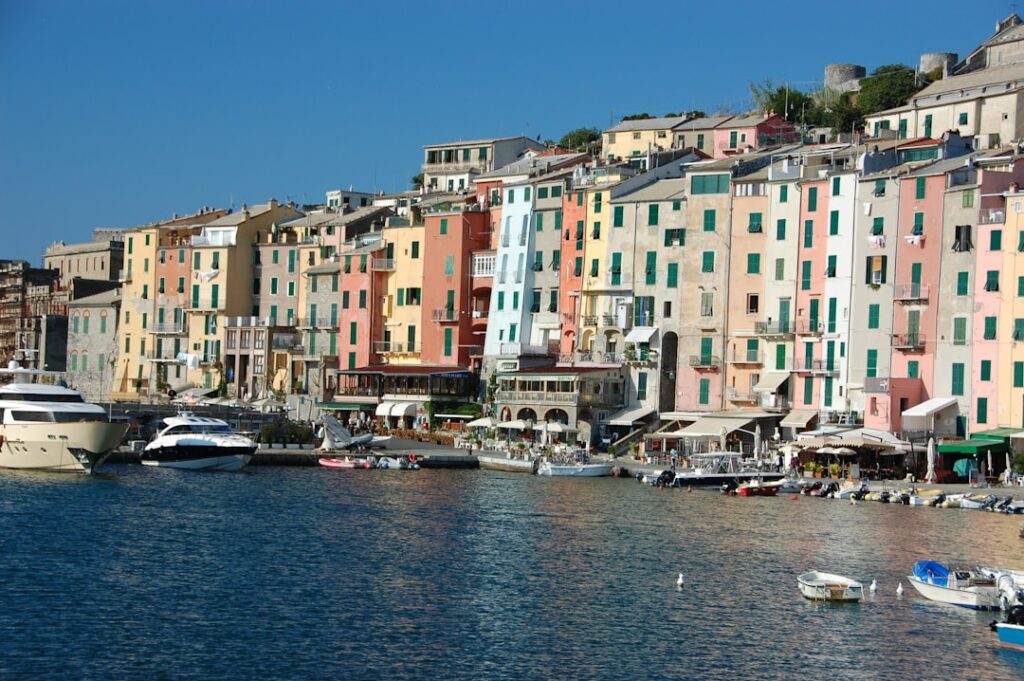
Port Lympia (Port Lympia, Quai Lunel, 06300 Nice) has grown in popularity for its more relaxed atmosphere compared with the Promenade, its colorful facades, yachts and seafood restaurants. This area is perfect for people who love the sea, friendly taverns and a more local, laid-back feel. The quayside is dotted with cafés and bars — very lively in the evenings.
Addresses and dining: La Réserve de Nice** does not exist but notable spots include Le Bistrot d’Antoine, 27 Rue de la Préfecture, 06300 Nice — main dishes €15–30, open 12:00–14:30 and 19:00–22:30 (closed Sunday evening). Another emblematic fish restaurant: Restaurant Lou Pilha Leva, 9 Quai des Deux Emmanuels, 06300 Nice — Niçoise specialties, dishes €12–25, often busy on weekends.
Housing prices: the port often offers slightly larger spaces at more reasonable prices than Vieux-Nice once you move a bit back from the quay. A 25–35 m² studio: €700–1,200/month; one-bedroom: €1,000–1,800/month. For short stays, Airbnb apartments and small hotels (e.g. Hôtel Ozz by HappyCulture, 2 Rue Smolett, 06300 Nice) offer rooms €70–120/night.
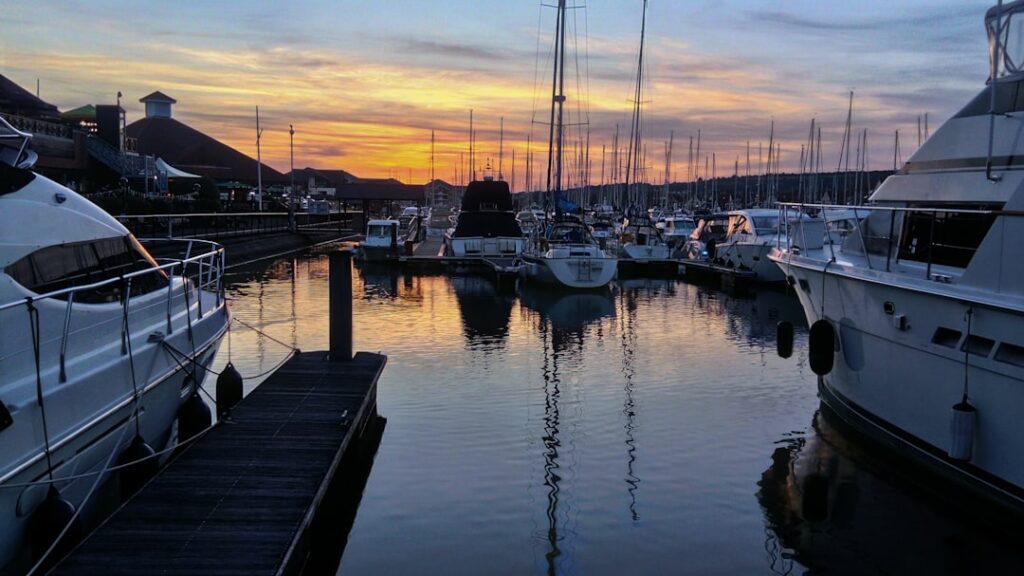
Hours and amenities: a port market runs some mornings for seafood and shellfish; hours vary by season (generally 07:00–12:00). Ferries to Corsica operate from Nice’s port seasonally — check operators and timetables (Corsica Ferries, Moby Lines). The neighborhood is well served by buses and is a 10–20 minute walk from the center. Parking: Quai Lunel and Lympia car parks (rates €2–3/hour).
Local tips: for the best value, look for homes on streets parallel to the quay rather than right on the waterfront. In the evening, prioritize restaurants that accept reservations (most accept bookings between 19:00 and 22:30). If you like neighborhood life and close proximity to the center without the heavy tourism of Vieux-Nice, the Port is an excellent compromise.
4. Cimiez — Residential, peaceful, museums and gardens
Cimiez is the neighborhood of grand houses, hills and museums. Located northeast of the center, it’s known for the Matisse Museum (Musée Matisse, 164 Avenue des Arènes de Cimiez, 06000 Nice — generally open 10:00–18:00, closed Tuesdays; admission €6–10 depending on the exhibition) and the Roman ruins of the Arènes de Cimiez Park (Avenue des Arènes de Cimiez). Cimiez attracts families and those seeking quiet, parks and good schools.
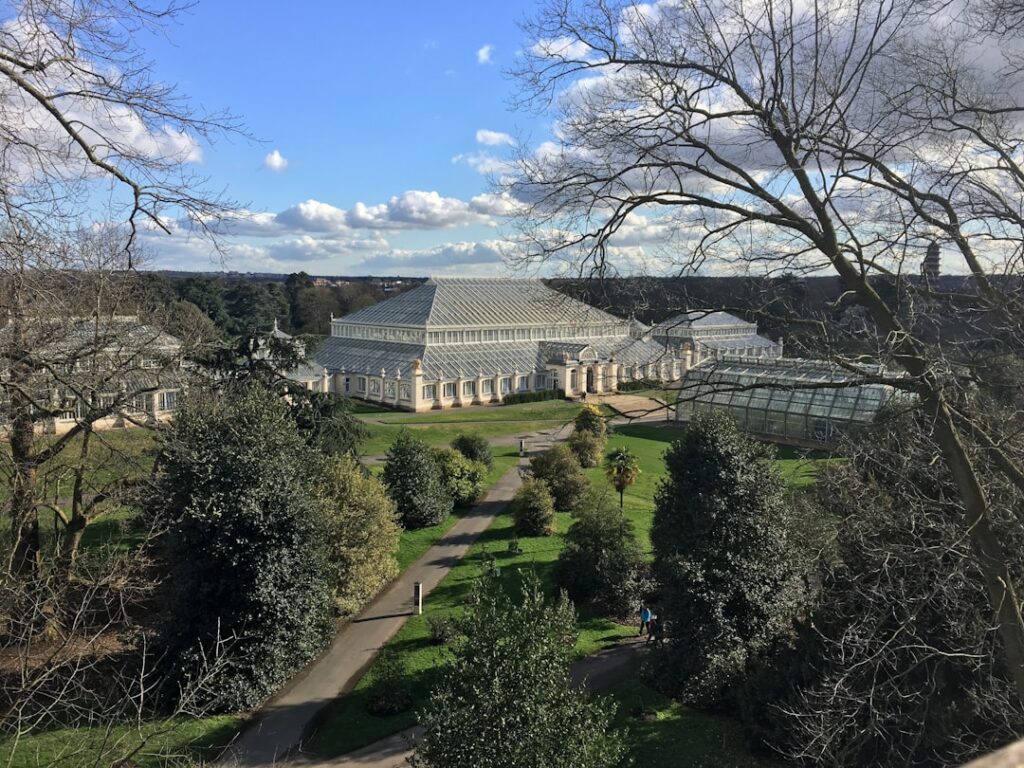
Addresses and housing: Cimiez hosts charming hotels and high-end apartments. Examples: Palais de la Méditerranée** is not in Cimiez but you can find Hôtel La Pérouse Nice Baie des Anges (address 11 Rue Des Faucheurs) closer to the sea — for Cimiez specifically, consider Hôtel La Villa, 38 Avenue Joseph II (prices vary); family-sized flats and 2–4 room apartments: €1,300–3,500/month depending on standards. The area offers lovely houses with gardens and stately buildings that appeal to residents seeking space and serenity.
Cultural life and leisure: besides the Matisse Museum, the Marc Chagall Museum (Avenue Dr Ménard, 06000 Nice — open 10:00–18:00, closed Tuesdays; entry €6–10) is nearby. Cimiez’s parks provide wide green spaces perfect for jogs and family walks. Cimiez is also close to the University Hospital (CHU) and good international schools, making it a preferred choice for expatriate families.
Transport and practicalities: tram T1 connects you to the center in 10–15 minutes (Valrose / Cimiez stops depending on route); the area is also served by buses. Tram T1 stations generally run 05:00–00:30. Tip: if you prioritize tranquility and proximity to museums, choose Cimiez, but plan on using public transport or a car to reach the Promenade and Vieux-Nice (10–20 minutes depending on traffic).
5. Libération, Nice-Ville Train Station and East Nice — Practical, lively and well connected
The Libération neighborhood (Libération Market, Boulevard Jean Jaurès, 06000 Nice) and the area around Nice-Ville train station (1 Place Masséna, 06000 Nice) are ideal for people who want mobility and a controlled budget. The station makes regional travel easy (TER to Cannes, Antibes, Monaco) and national trips (TGV to Paris). The Libération market, held on Boulevard Jean Jaurès, offers local produce every morning (06:00–13:00) and is popular with locals for its quality and reasonable prices.
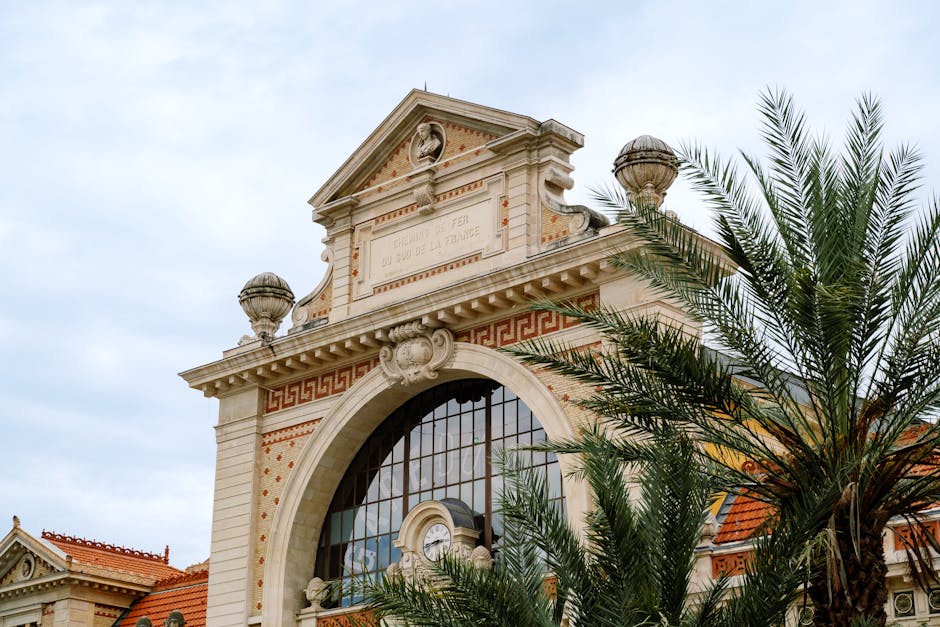
Prices and housing: rents in this sector tend to be more affordable: studios €500–900/month, one-bedrooms €800–1,400/month. Budget hotels and short-term rentals are easy to find: Hôtel ibis Styles Nice Centre Gare, 4 Avenue Thiers, 06000 Nice — rooms from €70–120/night. The proximity to the station is handy for business travelers and students.
Everyday life: the neighborhood is very lively with shops, bakeries and restaurants within easy reach. Examples: La Voglia (pizzeria, 6 Rue Paganini) offers pizzas €8–15; Le Panier Niçois bakery-pastry shop (approximate address Boulevard Jean Jaurès) is a local favorite for fresh bread in the morning. Opening hours vary but most shops open 07:00–19:00, supermarkets 08:00–21:00.
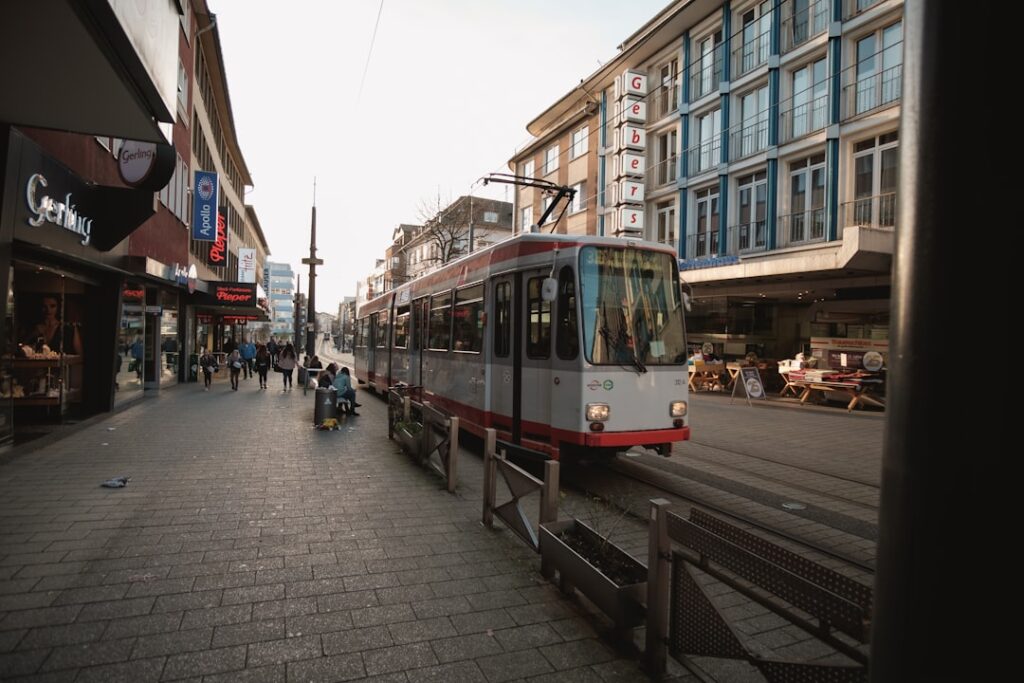
Transport: the train station provides a direct link to the airport via tram T2 (Aéroport Nice Côte d’Azur stop) and the 98 airport shuttle bus line. A tram/bus ticket costs €1.70 (60-minute validity). Regional rail services run frequently; check timetables on the SNCF website. Tip: if you arrive late by train, consider booking accommodation near the station to make your first night easier.
Local tips: Libération and the station area are excellent for value per comfort. However, some streets can be noisy (proximity to the station and main roads): check sound insulation and apartment orientation. For families, the availability of schools and green spaces nearby is a bonus.
Conclusion — How to decide? Scenarios and concrete recommendations
Picking a neighborhood in Nice depends first and foremost on your profile and priorities. For a short tourist stay focused on beaches and dining out, Promenade des Anglais / Carré d’Or is unbeatable: direct sea access, prestigious hotels (e.g. Hôtel Negresco, 37 Promenade des Anglais) and lively daytime activity. If you crave authenticity and Provençal charm, Vieux-Nice (Cours Saleya, Place Rossetti) will place you amid narrow streets, markets and traditional restaurants — book it if you can tolerate nighttime noise and crowds.
Port Lympia is an excellent middle ground for sea lovers who want a more local vibe and fish restaurants, while Cimiez suits families and art lovers seeking calm and proximity to museums (Matisse Museum, Marc Chagall Museum). Finally, Libération / Train Station is practical, often cheaper and ideal for frequent train or plane travel.
Decision-making practical tips:
- Tight budget: look around Nice-Ville train station and Libération (studios €500–900/month).
- Beach and luxury: Promenade des Anglais / Carré d’Or (studios €900–1,600/month; hotels €120–700/night depending on season).
- Local vibe and nightlife: Vieux-Nice and Port Lympia — great for discovering local food and bars.
- Families and long stays: Cimiez for schools, green spaces and tranquillity (apartments €1,300–3,500/month).
- Mobility: prioritize proximity to a T1/T2 tram stop or the Train Station (tram ticket €1.70, 10-ticket bundle around €14 depending on rates).
Before signing a lease or booking a hotel, do these checks: ask the apartment’s orientation (south-facing if you want light), sound insulation (check for double glazing), presence of an elevator (many old Vieux-Nice buildings don’t have one), and distance to essential shops (supermarket, pharmacy). Finally, try the commute from home to work at different times to assess real travel times.
Nice offers a wide variety of neighborhoods to suit every lifestyle: from lazy days on the Promenade to the lively lanes of Vieux-Nice, through Cimiez’s residential calm and the practical vibe of Libération. With the addresses, hours and reference points in this guide, you’ll be able to choose a place that truly matches your needs — and fully enjoy Nice’s easygoing way of life.