





Introduction: Formalities and an Overview for Staying in Nice in 2026
Nice, the iconic gateway to the Côte d’Azur, draws millions of visitors each year with its coastline, Mediterranean climate, and vibrant cultural life. In 2026, the formalities for staying in Nice blend long-standing local rules with recent European updates (electronic checks, post-Brexit regulations, updated health requirements). This comprehensive guide is aimed at both short-term tourists and people planning a longer stay, relocation, or expatriation. It lays out the essential documents, key administrative steps (prefecture, town hall, social security), approximate costs in euros, the typical opening hours of main service points, and practical tips to avoid common administrative pitfalls.
France remains part of the Schengen Area: for non-EU/EEA visitors, the general rule is a maximum stay of 90 days within any rolling 180-day period. Since 2024, the European ETIAS system has been in effect for most visa-exempt travelers; by 2026 its use has become common and almost routine for those concerned. For nationals of the European Union, the European Economic Area and Switzerland, freedom of movement considerably simplifies arrival: a valid ID card or passport is sufficient. However, some procedures in Nice — opening a bank account, registering for social security, applying for a residence permit for family or work reasons — require in-person visits to local administrations and specific supporting documents (employment contract, lease, accommodation attestation).
This guide walks you through each step: arrival (airport, train station), entry formalities (ETIAS, visa, border checks), procedures for a short stay (accommodation, insurance, health), and steps for a long stay or settling in (Alpes-Maritimes prefecture, residence permit, social security / CPAM, taxes, school registration). For every item you’ll find practical addresses, usual opening hours, indicative fees in euros and local tips (best times to visit the prefecture, tricks to obtain a residence certificate, paid and free services). Finally, practical recommendations (language tips, documents to scan, what to do if documents are lost) will help you save time and avoid administrative stress.
Arriving in Nice: Airport, Train Station, Border Checks and Entry Formalities (250+ words)
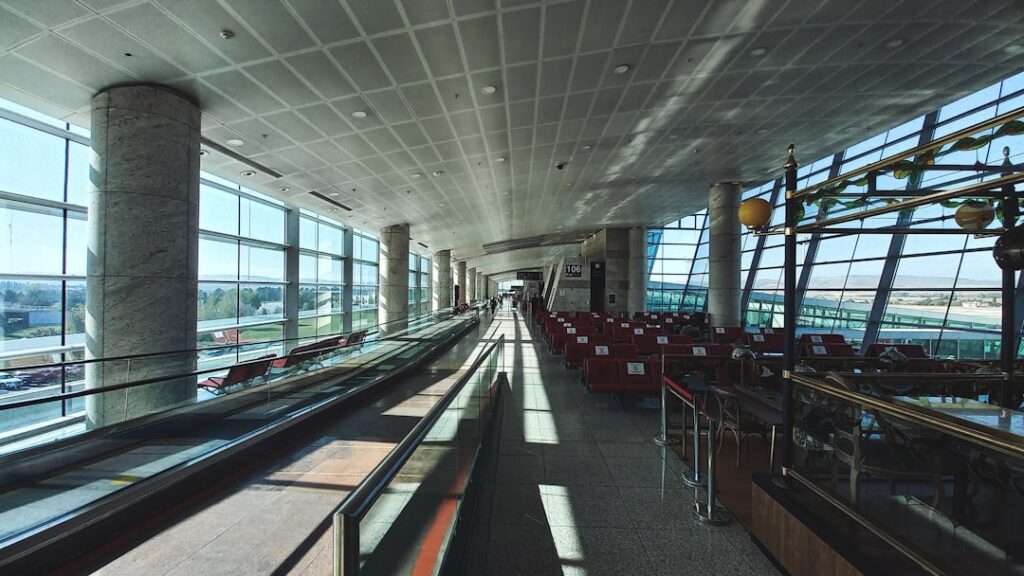
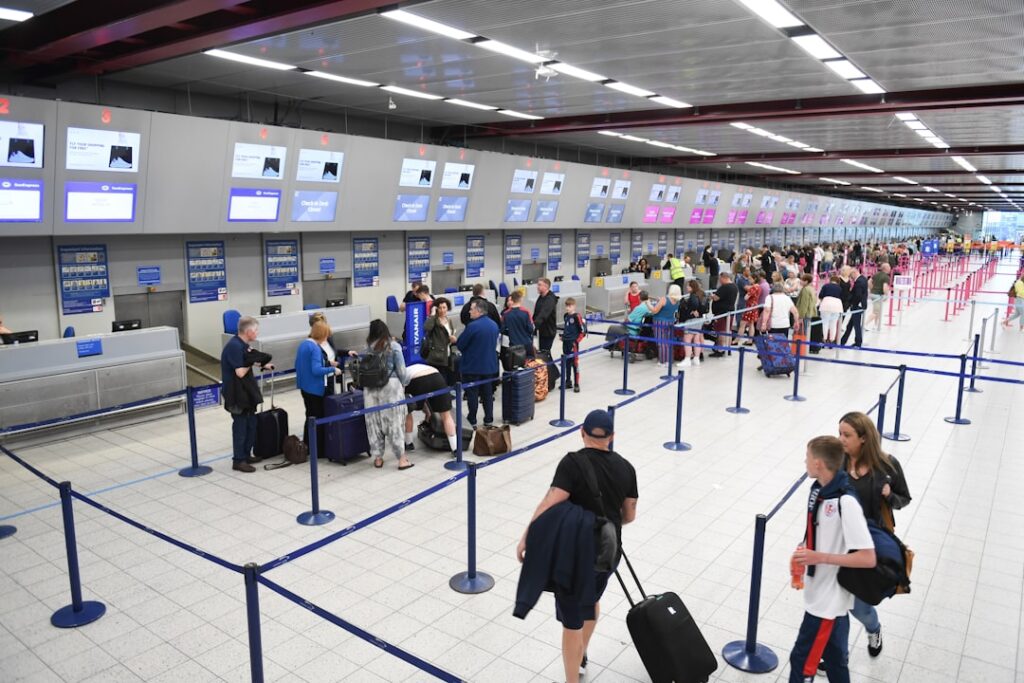
Nice is served by Nice Côte d’Azur Airport (Aéroport Nice Côte d’Azur, Boulevard René Cassin, 06206 Nice Cedex 3), located to the west of the city between Nice and Cannes. The airport handles domestic and international flights; it has three terminals and a border police service (Police aux Frontières). Check-in and service desk hours vary by airline but the airport is generally operational 24/7; shops and services typically close between 21:00 and 23:00. Shuttle buses and the tram (line 2) connect the airport to the city center: a single tram fare is €1.70 in 2026 (a t+ ticket valid for 74 minutes on the Lignes d’Azur network), and the airport shuttle (Lignes d’Azur line 99) costs about €6 for a single trip. Taxis from the airport to central Nice average €35–50 depending on the time and amount of luggage.
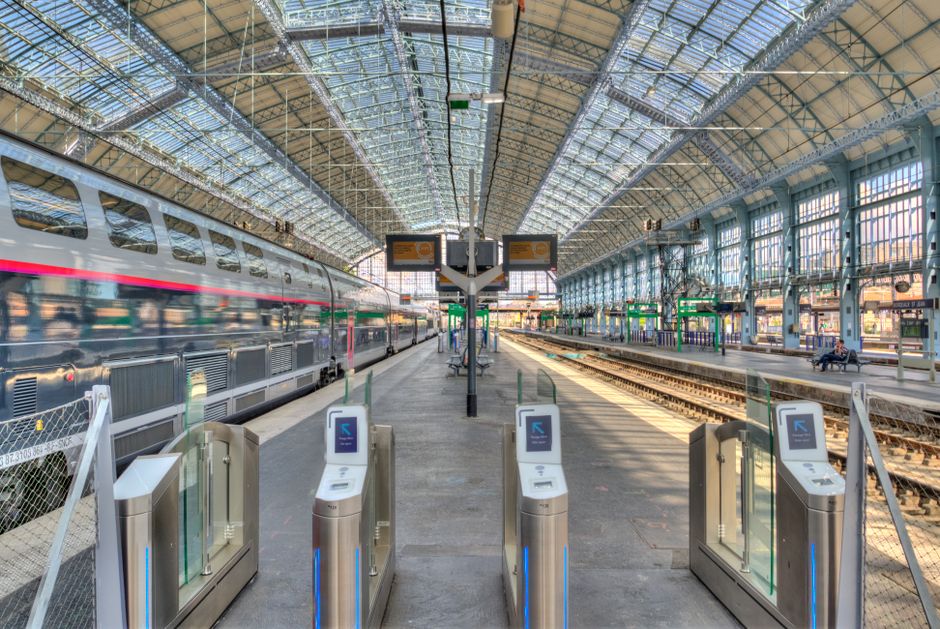
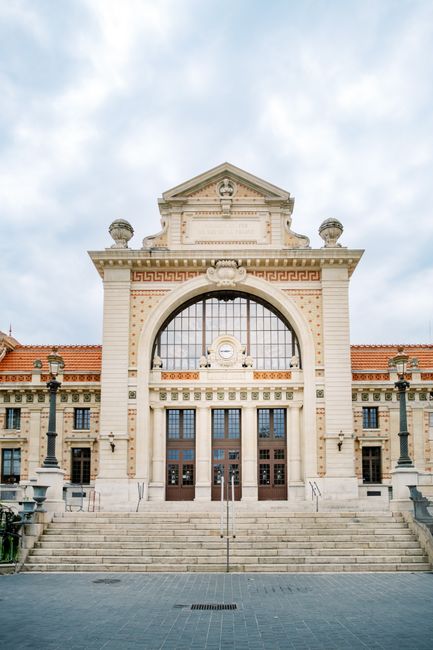
The main train hub, Gare de Nice-Ville (Place Pierre Semard, 06000 Nice), handles regional trains (TER Provence-Alpes-Côte d’Azur), TGV links to Paris and intercity trains. The station is open every day; the SNCF ticket counters are usually available from 06:00 to 21:00, with ticket machines operating 24/7. If you arrive by train from abroad, have your passport and ETIAS / visa documents ready if applicable: border checks can occur at times.
Entry formalities: for visa-exempt nationals, ETIAS has been required since 2024. In 2026, the indicative fee for ETIAS is €7 for adults and the process is online (approval is often immediate, sometimes taking a few days). Travelers who need a short or long-stay visa must apply at their consulate or via the official France-Visas website (https://france-visas.gouv.fr). After arrival, keep entry stamps, tickets, reservations and accommodation confirmations safe — they’re useful in case of checks.
Tourist Stay (Short Visit): Documents, Insurance, Health and Practical Tips (250+ words)
For a tourist stay in Nice (under 90 days within 180 days for most nationalities that don’t require a visa), the strictly necessary documents are a passport or a valid national ID card (depending on your country) and, since 2024, ETIAS for visa-exempt travelers. Keep digital copies of your documents and a separate paper copy of the originals. Checks are usually courteous but routine in sensitive locations (airport, stations, land borders).
Travel insurance: strongly recommended and sometimes required for certain visas. Insurance that covers repatriation, medical expenses and liability is essential. In 2026, a basic travel insurance policy for two weeks typically costs €30–80, depending on age and coverage. For EU citizens, the European Health Insurance Card (EHIC) remains useful if you’re insured in your home country, giving access to necessary care on the same terms as French residents for emergency treatment.
Health and pharmacies: in Nice, many pharmacies have on-call services in the evenings and on weekends; check the nearest open pharmacy on the city’s electronic noticeboards or online. For a medical emergency, call 15 (SAMU) or go to the University Hospital of Nice (CHU de Nice — Hôpital Pasteur, 30 Voie Romaine, 06103 Nice Cedex 1) for major emergencies. Emergency consultations are free of charge except for additional costs (hospitalization, specialized procedures); keep invoices for reimbursement by your insurer.
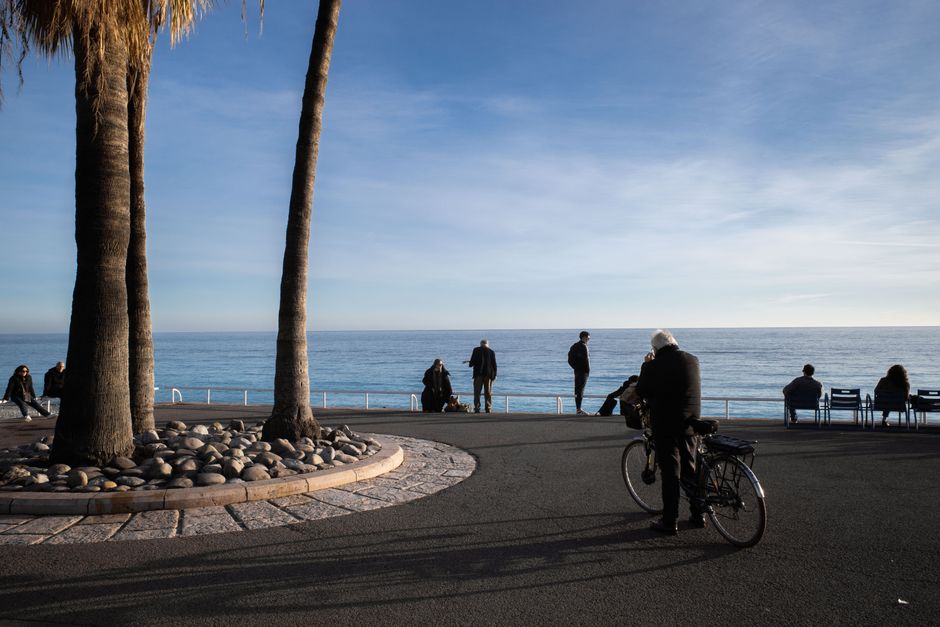
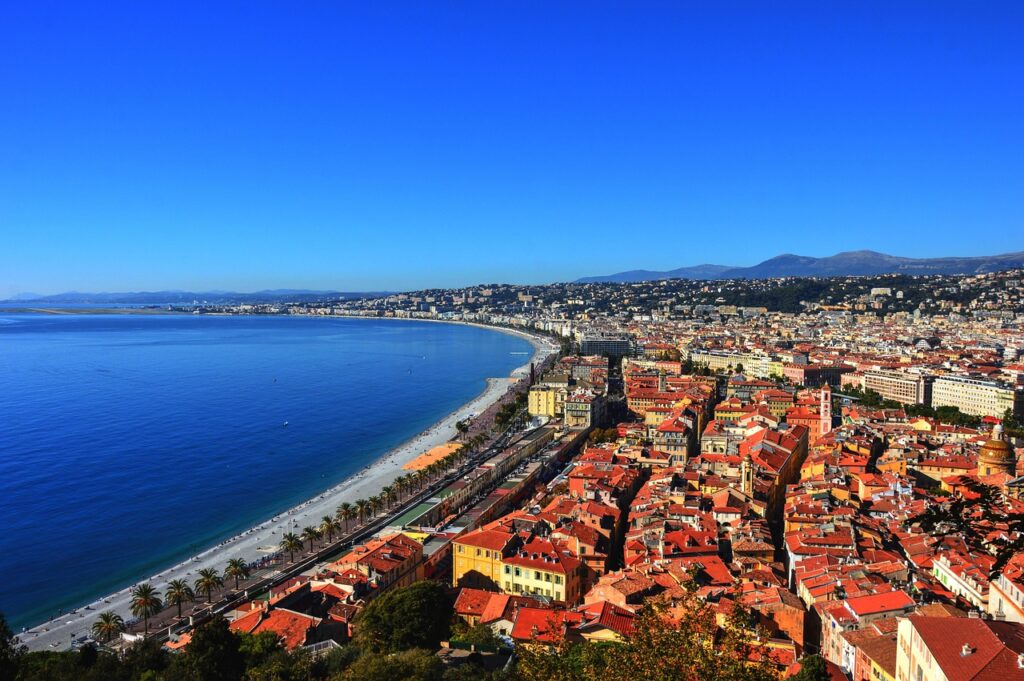
Local tips: avoid putting all your documents in a single suitcase; prefer a hotel safe for originals. For getting around, the Lignes d’Azur network (tram, bus) is efficient: single fare €1.70, a book of 10 tickets costs around €15. Taxis and ride-hailing services are available but can be expensive during peak hours. Take advantage of quieter times in the morning (08:00–10:00) to visit the Promenade des Anglais, Old Town and museums with shorter lines.
Settling in Nice (Long Stay / Expatriation): Residence Permit, Prefecture, Town Hall and Essential Procedures (250+ words)
For a stay longer than 90 days, or to settle in Nice, procedures differ depending on your status (EU/EEA/Swiss citizen or third-country national). Non-European nationals usually need to apply for a long-stay visa — « visitor, » « employee, » « private and family life » or « student » — before arrival via France-Visas. On arrival, the Alpes-Maritimes Prefecture is the key institution: Préfecture des Alpes-Maritimes, 147 Avenue du Président John Fitzgerald Kennedy, 06202 Nice Cedex 3. Counters are generally open Monday to Friday (hours vary, typically 08:30–16:30); it’s essential to book an appointment online for most files via the prefecture’s official website.
Residence permit: applying for a residence card (first application or renewal) requires supporting documents: passport, long-stay visa, recent ID photos, proof of address (lease, utility bill), proof of means (pay slips, bank statement) and any specific documents (employment contract, university enrollment). In 2026, administrative fees for processing vary by type: expect between €100 and €269 for most permits (indicative amounts); some categories (skilled worker) may incur additional taxes. Processing times range from a few weeks to several months; it’s recommended to file as early as possible and keep a copy of the receipt, which serves as a temporary authorization.
Town hall and local registrations: Nice City Hall (Hôtel de Ville de Nice, Place Pierre Gautier, 06364 Nice Cedex 4) issues certain certificates and can assist with school enrollment and civil status documents (birth, marriage certificates). Reception hours are usually Monday to Friday (08:30–17:00); check exact hours and book online for civil status procedures.
Practical advice: upon arrival, scan and back up all documents in at least two places (secure cloud and external drive). Keep a folder titled « France paperwork » containing: lease, last three pay slips, employment contract, proof of complementary health insurance, tax return, utility contract (EDF/ENEDIS info is commonly requested). To speed up prefecture appointments, arrive early with a complete file. If possible, seek legal aid or contact local associations helping newcomers to Nice — many provide free or low-cost assistance.
Health, Insurance, Work and Taxes: Additional Procedures and Useful Addresses (250+ words)
Social security: to work and live long-term in France, registering with the social security system is essential. The Caisse Primaire d’Assurance Maladie (CPAM) of Alpes-Maritimes manages local entitlements; office locations and reception points can vary, so check online via ameli.fr for the office that applies to you (Ameli portal: https://www.ameli.fr). Opening entitlements requires a complete file: ID, proof of address, bank details (RIB), employment contract or proof of studies. Once registered, the Carte Vitale (health insurance card) is issued; production times depend on demand but expect 2 to 8 weeks.
Complementary health insurance (mutuelle): Social security reimburses part of the costs; it’s common to subscribe to a complementary plan (mutuelle) to cover the remaining share. Prices depend on age and coverage level: for a healthy adult, a basic mutuelle usually costs €20–60 per month; for a family, €80–200 per month depending on benefits.
Work and diploma recognition: most jobs require a valid employment contract (CDI, CDD). Regulated professions (healthcare, law, teaching) may require equivalence procedures or registration with a professional body. Pôle emploi (local Pôle emploi agencies) and the Nice Côte d’Azur Chamber of Commerce and Industry (CCI Nice Côte d’Azur, 20 Bd Carabacel, 06000 Nice — verify address and hours on cci.fr) offer support services.
Taxes: tax residents must declare their income in France. The local tax office (Direction Départementale des Finances Publiques) has branches in Nice: check your local tax center via impot.gouv.fr. Online declarations are the norm; to open a tax account, have your previous tax notice or residence certificate ready. Tax office hours are often Monday to Friday 08:30–12:00 / 13:30–16:30.
Practical Tips, Common Pitfalls and Useful Local Resources (250+ words)
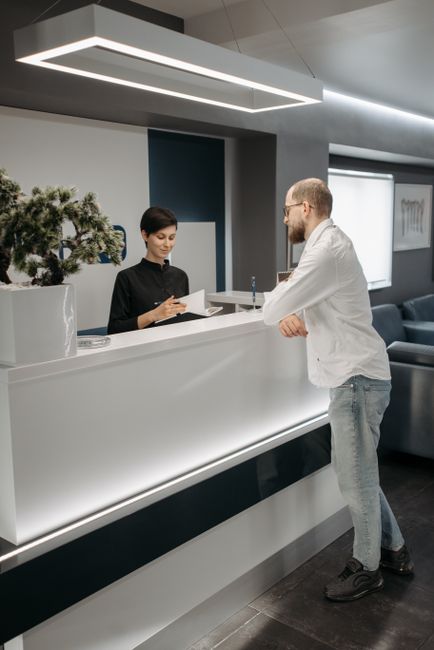
A few practical tips will save you time and money: start by digitizing all your documents (passport, visa, contracts, bills). Store the originals in a secure file. Always check opening hours online before you go: most administrations require an appointment and sometimes close for lunch. Book appointments during quieter times (between 09:00 and 11:00) to avoid long queues.
Common pitfalls: (1) incomplete files at the prefecture: any omission (non-compliant photo, outdated proof of address) causes delays — download the official checklist online and tick off every item. (2) failing to declare a change of address: French law requires certain administrations to be updated; if you delay, official summons and letters might not reach you. (3) confusing a visa with a residence permit: a long-stay visa does not automatically equal a permanent residence card — follow the local procedure to apply for your residence permit within the stated deadlines.
Resources and useful addresses: Préfecture des Alpes-Maritimes (147 Avenue du Président John Fitzgerald Kennedy, 06202 Nice Cedex 3) for residence permits; Nice City Hall (Hôtel de Ville de Nice, Place Pierre Gautier, 06364 Nice Cedex 4) for civil status and local registrations; Gare de Nice-Ville (Place Pierre Semard, 06000 Nice) and Nice Côte d’Azur Airport (Boulevard René Cassin, 06206 Nice Cedex 3) for arrivals/departures. For consular assistance, contact your country’s embassy or consulate (addresses and hours available on your embassy’s official website). Finally, local associations (French Red Cross, Secours Catholique, migrant support groups) are valuable support points for social procedures and integration.
Conclusion: Be Prepared, Anticipate and Enjoy Nice with Peace of Mind
Proper preparation for the formalities of staying in Nice in 2026 combines anticipation, careful document organization and the use of digital and local resources. Whether you’re visiting for a few days or planning to settle long-term, success lies in checking requirements in advance (ETIAS or visa), compiling a complete file for lengthy procedures (residence permit, social security), and using the services of the prefecture, town hall and relevant agencies. French administration remains strict about proof of address and means of support, so it’s wise to gather supporting documents well before booking appointments.
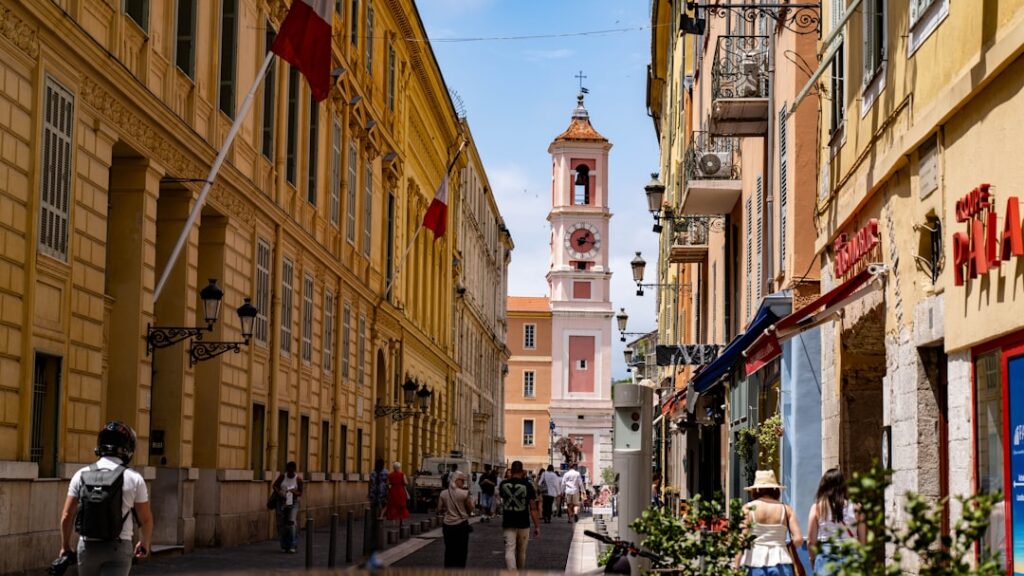
Nice not only offers an attractive lifestyle but also a well-structured local administration: the Alpes-Maritimes Prefecture, municipal services and hospitals provide accessible services albeit often subject to waiting times. In practice, consult official sites (prefectures.gouv.fr, france-visas.gouv.fr, ameli.fr, impot.gouv.fr) for the latest fee and opening-hour updates. For any long stay, budget for administrative costs (permits, insurance, mutuelle) and allow margins for processing delays. And finally, enjoy the charms of Nice: the Promenade des Anglais, the Cours Saleya flower market, museums (Musée Matisse, Musée Marc Chagall) and nearby hilltop villages — planned and prepared, your stay will be both smoother and more enjoyable.